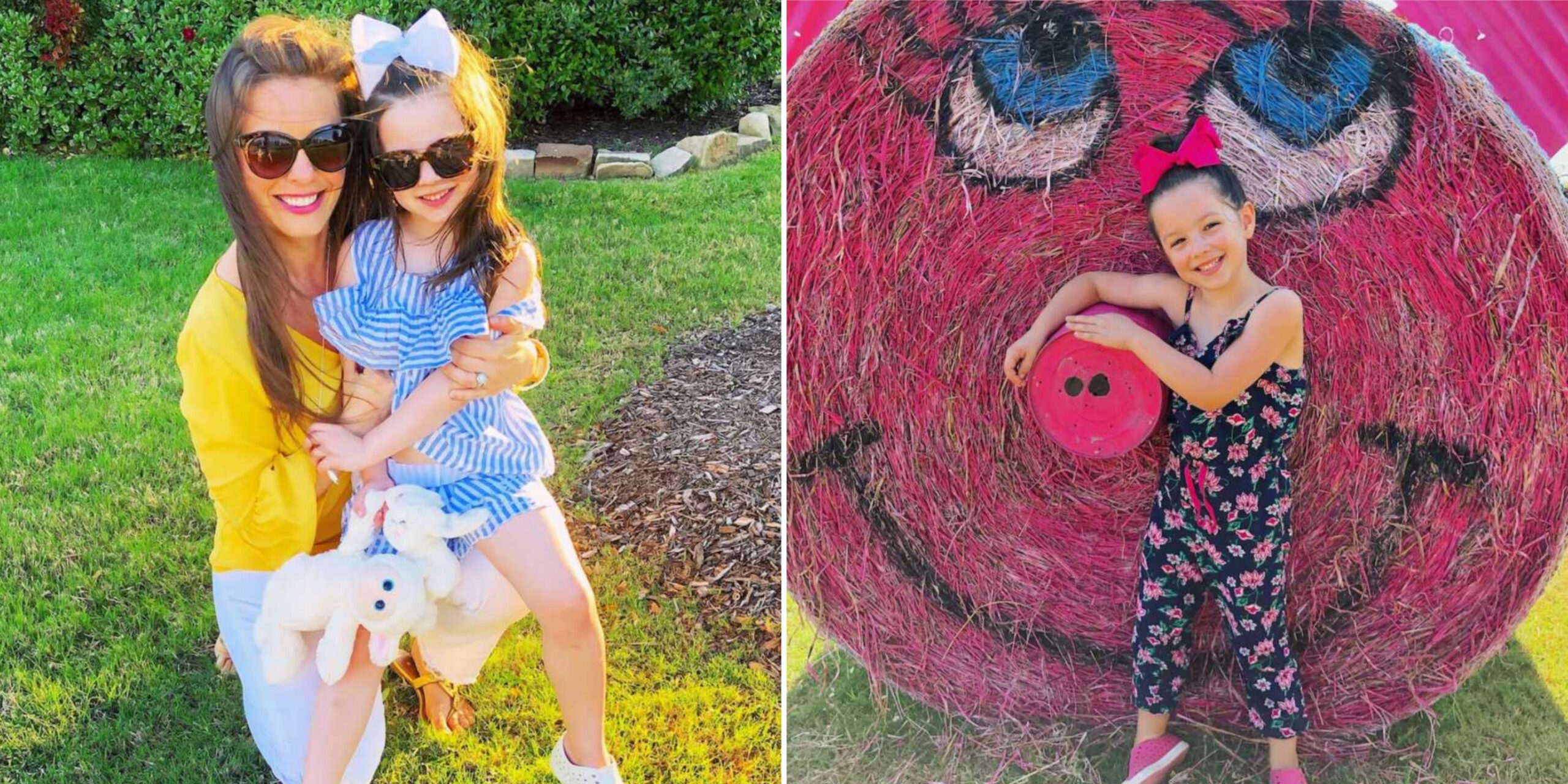
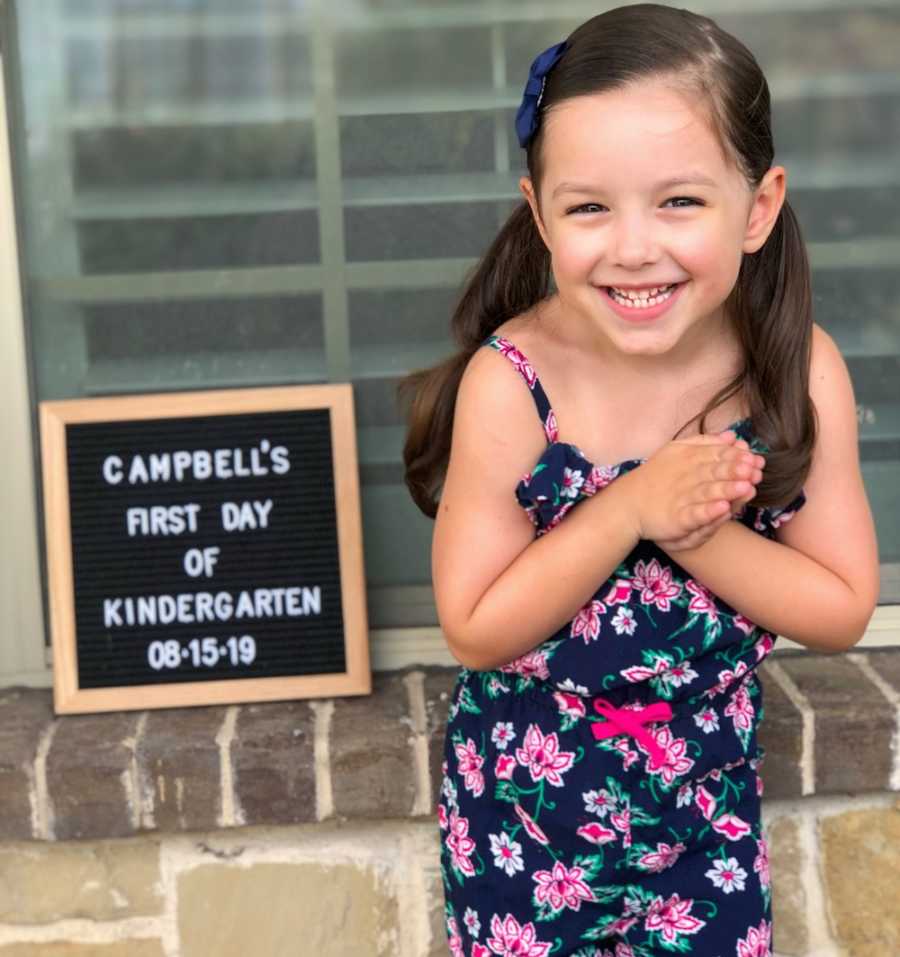
A few days ago, I got a call from my daughter’s Kindergarten teacher. She told me that Campbell was having difficulty with her peers and that a rather intense incident had occurred during cleanup time. A classmate had tried to help her put a toy away, and my daughter had completely lost it—lashing out at the little girl and collapsing in tears on the floor.
I listened carefully, but none of it surprised me. My daughter has autism—a social and communication disability. She’s fairly high on the spectrum, which often allows her to blend in with others, making it easy to forget that even small, everyday moments—like putting away a toy—can trigger overwhelming reactions.
I got off the phone feeling a surge of frustration—not at the teacher, not at my daughter, but at how unfair autism can be. I knew exactly what would follow because we’ve walked this path many times before. That little girl would likely never ask Campbell to play again; she might even run home and tell her parents that my daughter was mean. Slowly, word would spread that Campbell was “unfriendly,” and invitations to parties and playdates would dwindle.
And I also knew this wouldn’t be the last time Campbell reacted in a way that seemed “inappropriate” to her peers. Autism is a social disorder: one day a child is your best friend, the next she won’t even make eye contact. Since there’s no visible marker that she has special needs, she’s often perceived as strange—or worse, rude.
Of course, it wasn’t acceptable for Campbell to lash out at another child, but when I stepped back, I started to see things differently. What was my usually joyful daughter feeling in that moment of absolute overwhelm? Why was something so ordinary so impossibly difficult for her?
Then, slowly, my neurotypical brain began to grasp it. The frustration from the outside world wasn’t about Campbell being “bad.” It was because no one had taken the time to experience life from her perspective.
So, this is how I now plan to explain autism to her peers and their parents. This is what I will remember whenever Campbell reacts in a “big” way: she’s new here, navigating a world that’s designed for everyone else—and it’s our responsibility to help her adjust.
Imagine this:
You’ve been dropped, unwillingly, into a foreign country. This is your new home, but it’s unfamiliar and intimidating. No one has given you a guidebook. The streets are full of people who speak a language you don’t understand. They move quickly, they talk even faster, they laugh, they touch each other. They seem friendly—but how are you supposed to know?
The environment is overwhelming: lights are harsh, alarms beep, colors clash, and the smell of a forgotten lunch makes you gag. Every sound, every sight, every scent feels amplified. It all demands your attention. Everything feels urgent. And yet, you’re expected to blend in.
Then, in a rare moment of calm, you find something that grounds you—a small toy from home, a memory of comfort. It gives you a sense of control and safety, a pause in the chaos. But suddenly, another child approaches, speaking a language you can’t understand. She takes the toy from you and walks away.
Everything you were holding onto—everything that kept you grounded—is gone. You are terrified and alone. What do you do? Calmly step aside? Cry? Throw yourself to the ground? Perhaps lash out? Anyone in that situation would react. The world feels unsafe, incomprehensible, and hostile. And yet, children with autism face this scenario almost every day—and society often blames them for it.
Every day, we ask these children to navigate a world full of unfamiliarity, then expect them to act like everyone else. But how could they? How could Campbell handle that toy being taken without panic? From her perspective, it wasn’t about the toy—it was about safety, predictability, and feeling secure in an overwhelming world.
It’s never okay to hurt someone else, but when you don’t understand them, and they don’t understand you, the rules get lost in translation. The best we can do is remember that every child with special needs—especially those whose challenges aren’t visible—is like a foreigner learning to breathe in a strange land. They require patience: slower speech, longer explanations, more space, and more understanding.
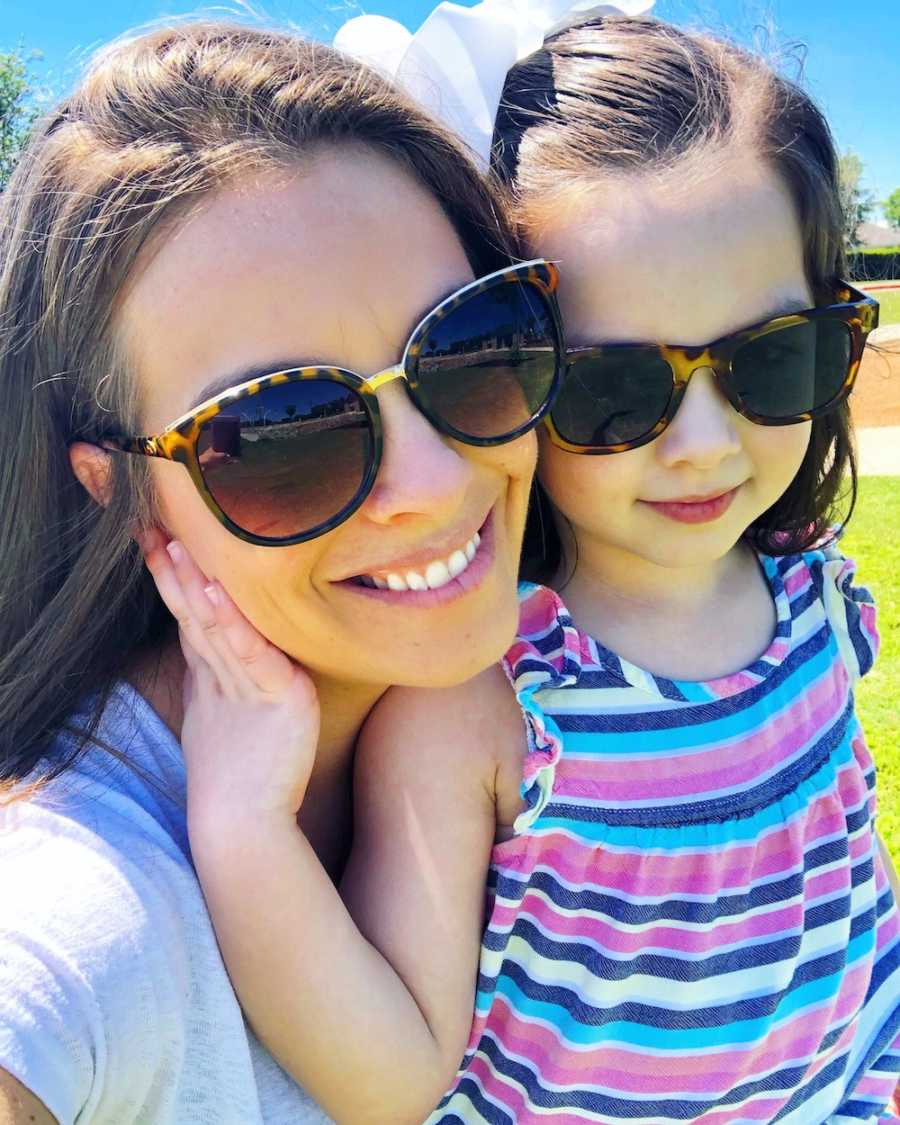
And just like anyone forced to live in a new land, they will eventually adapt. They’ll learn the language of this world. They’ll develop coping skills. They’ll recognize friends and foes. They’ll find their footing. And finally, they’ll stop merely surviving—and start truly living.