
Forty weeks is how long you carry a child, but for many women, the wait for their greatest dream—bringing a baby into the world—lasts far longer than that.
Long before we ever thought about careers, mortgages, or marriage, we were already imagining motherhood. We cradled baby dolls, stuffed our shirts to create pretend bumps, and dreamed of the day we’d hold a child of our own. That longing takes root early and grows quietly alongside us.
So when your baby is finally born, you haven’t just given life to a human—you’ve given life to a dream. You’ve painted nurseries, attended baby showers, prewashed tiny clothes, and packed an overnight bag with hope and anticipation. You’ve prepared your mind, your home, and your heart to expand in ways you never imagined. Then, with a few—or many—pushes, your greatest gift arrives, real and breathing in your arms.
You are overwhelmed with joy.
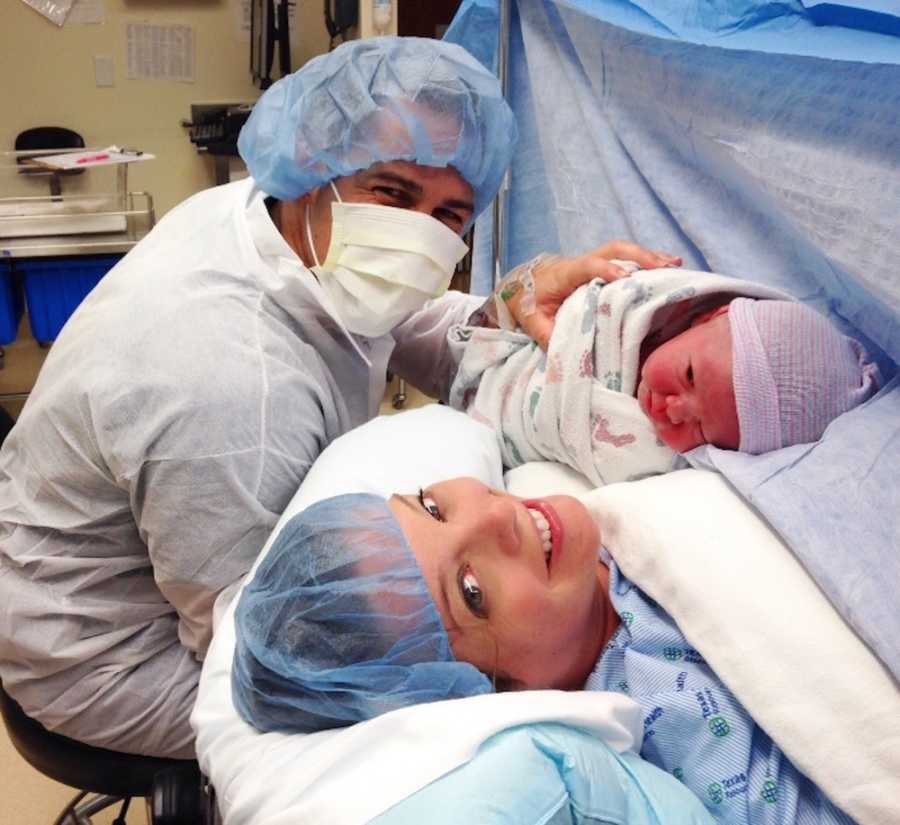
And yet, just days or weeks later, you may find yourself overwhelmed in an entirely different way.
Welcome to the fourth trimester—the phase of parenthood that books barely touch on. I know this not only as a mother of two (and a former shirt-stuffing dreamer), but also as a Labor and Delivery Nurse. During nursing school, we spent countless hours learning breathing techniques and breastfeeding basics, but very little time talking about what happens when hormones spiral, sleep disappears, and you’re suddenly home alone with a crying newborn.
No one truly prepares you for the long, sleepless nights or the quiet, isolating days.
No one warns you that you can love your baby more than anything in the world and still desperately want to escape for a moment.
We talk a lot about how “hard” new motherhood can be, but where is the honest conversation about postpartum depression? About the shame that creeps in when what’s supposed to be the happiest season of your life feels painfully heavy and nothing like you imagined?

The truth is, the aftermath of birth can be just as difficult as labor itself—if not more so, because it lasts longer. For months, your body and mind are devoted entirely to another human. You function on minimal sleep. You’re afraid to leave the house because of feeding schedules and flu season. You scroll through social media and see people living freely while you’re sore, exhausted, and running on empty. You love your baby so deeply it aches, yet long for uninterrupted time to do something as simple as showering.
But here is the beautiful, hopeful truth about new motherhood: this stage does not last forever.
This isn’t meant to dismiss the struggle, but to offer reassurance. One day, you’ll wake up before your baby does. One day, while feeding them, they’ll meet your eyes and smile. Your body will stop bleeding. Your hormones will begin to settle. Slowly, confidence will return, and you’ll feel brave enough to step back into the world again.
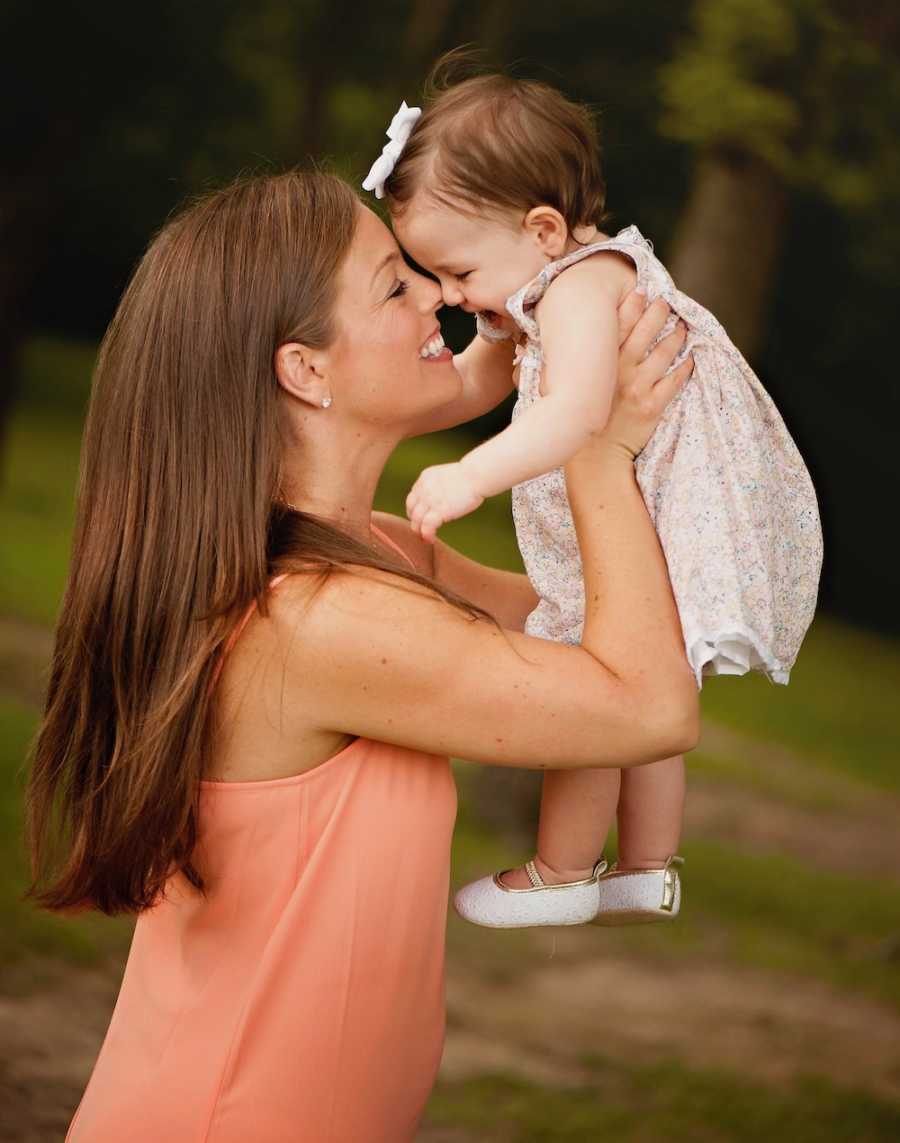
Eventually, we find our footing. It takes time, patience, and sometimes medication. And it almost always takes a village.
If you know someone who has recently had a baby, the most important thing you can do is simple: offer help—and mean it.
And if you are the one who just had that baby, I’m asking you to do one thing, and only one thing: accept it.
This is where we often fail new mothers. We say, “Let me know if you need anything,” with the best intentions. But most new moms won’t ask. Women are conditioned to handle everything and handle it well. Asking for help feels unnatural—like asking for directions when you’re lost. So when we’re lost in new motherhood, drowning in peri-pads, exhaustion, and postpartum depression, we convince ourselves we should manage alone. And that mindset has to stop.

So here are a few things friends and family can simply do for a new mother—especially when she insists she’s fine:
Bring a meal, but don’t go inside.
She needs food, not company. She shouldn’t have to put on a bra, tidy the house, or entertain guests. A “Sip and See” can wait until she’s ready. Until then, admire the baby from social media, leave the meal on the porch, and go.
Take the older sibling for a few hours.
There isn’t much anyone can do with a newborn—they’re usually attached to their mother’s hip or breast. But older siblings? They’re perfect candidates for help. Don’t ask; make a plan. Schedule a park trip or playdate and tell mom you’ll be by in an hour. She won’t say no once the decision is already made.

Bring the fun indoors.
Don’t let her scroll through photos of girls’ nights and feel left out. Host a low-pressure night at your place. Watch a show together, make a cheese board, order takeout, wear pajamas. Create a space she can bring her newborn—and a plan that won’t fall apart if she has to cancel. We were women before babies, and we’re still women after. Help her remember that.
Give self-care, not baby items.
She doesn’t need another onesie or burp cloth. What she needs is support. Gift a haircut, a massage, or a house-cleaning service. Cute baby gifts are lovely, but practical help is invaluable—and she won’t ask for it, so just do it.
And to the new moms: your role matters too. Say yes.
There is no reward for doing this alone. We give birth surrounded by support, and we need that support even more once we’re home.
Motherhood was never meant to be a solo act—it’s a team sport. As you extend yourself grace, steal cat naps, and navigate this tender season, remember that this is only a small chapter of your life. For a short while, both you and your child deserve extra care.
Soon enough, you’ll feel strong again—strong enough to offer that same support to someone else.