“‘Since you’re 30 weeks, we do a standard mental health evaluation,’ my nurse midwife said, almost casually, like it was just another routine step.
I froze.
‘Uhhhhh… okay,’ I managed to say, trying to keep my composure—a near-impossible task as a hormonal, exhausted 30-week pregnant woman juggling a part-time job and a toddler at home.
This was my second pregnancy, but it was my first time delivering at this hospital, under a team of nurse midwives. I had never heard of a standard mental health evaluation before, and my stomach twisted nervously at the thought.
Almost immediately, she began asking questions.
‘In the last two weeks, have you felt sad most days, some days, or not at all?’
‘Most days,’ I whispered, and my eyes immediately started to fill with tears.
‘In the last two weeks, have you struggled to find enjoyment in life most days, some days, or not at all?’
‘Most days,’ I said again, my throat tight and dry. The words sounded foreign, even to me. Answering these questions out loud, sharing the weight of my hidden pain, felt unbearably heavy.
She continued, gently but firmly assessing the depth of my depression. I choked on my words and my tears.
‘In the last two weeks, have you had thoughts of harming yourself or taking your own life most days, some days, or not at all?’
‘Most days.’
The floodgates opened. I cried harder than I ever had in my life. The sadness felt like a stabbing pain in my chest, a heaviness that I could no longer control or suppress.
Anyone who has battled severe depression knows the terrifying weight of admitting these thoughts out loud. For over six months, I had carried this darkness silently. Now, it poured out, raw and unstoppable.
I barely remember what I said after the questions ended. Likely, I muttered apologies for crying so much, because that’s what we’re conditioned to do, right? Try to shrink ourselves and hide our pain.
The nurse midwife, with so much compassion, told me I had clinical depression and suggested starting medication immediately if I was open to it. I hesitated. I told her I needed a few days to think. Even medications deemed safe during pregnancy felt scary to me.
When I got home, I tried to dry my red, puffy eyes before seeing my husband.
‘How did your appointment go?’ he asked.
I collapsed on the floor and let it all out again. I shared everything—how I had truly been feeling, what I had kept hidden. He held me while I cried, endlessly.
You might expect that a diagnosis like this would deepen the sadness, make me feel broken or unfit to be a mother. But surprisingly, it did the opposite.
For the first time in our five-year relationship, I could articulate what was happening in my mind. For the first time, my husband truly listened and understood the mental battle I had been facing every day for half a year.
Having an official diagnosis helped him grasp the seriousness of my sadness. It wasn’t just “feeling down”—it was a pervasive heaviness affecting every aspect of my life, making even simple daily tasks feel impossible.
This understanding brought us closer than ever. My husband promised to do whatever it took to support me, and that assurance alone began to lift the weight of isolation and despair.
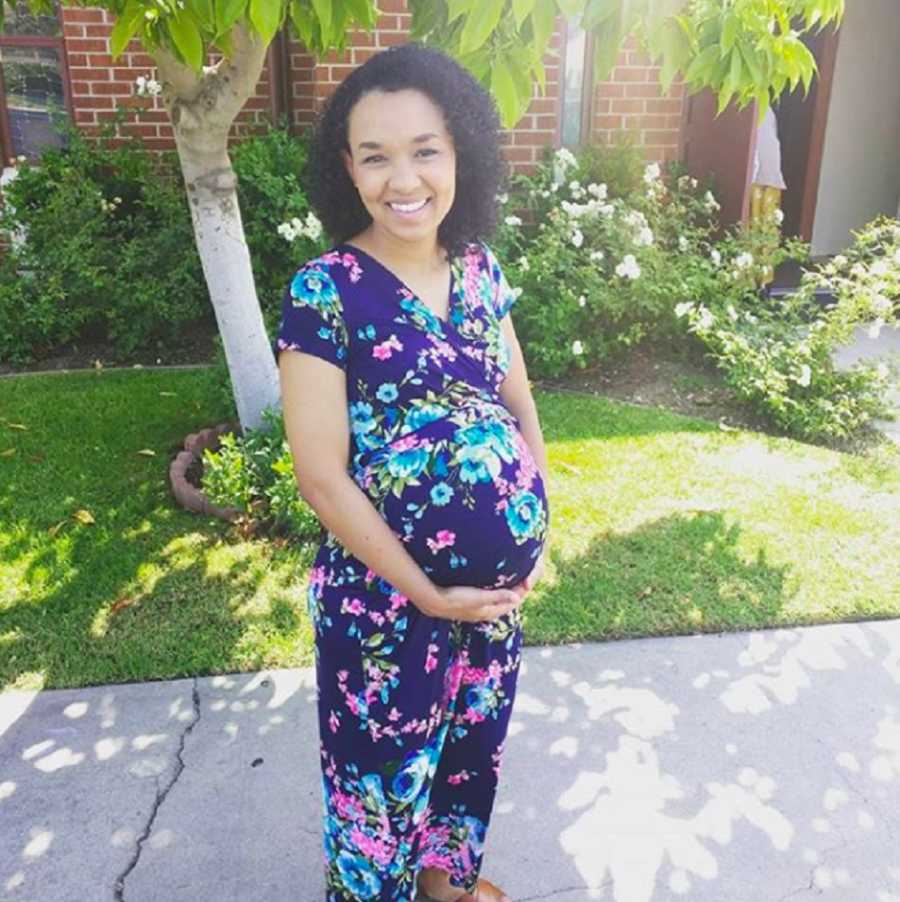
A week later, I saw another doctor who confirmed the diagnosis: Antepartum Depression—depression during pregnancy. I learned that it affects roughly 7% of pregnant women, but often goes undetected because providers focus on physical health over mental health. I felt incredibly lucky to be in the right place at the right time, with access to care.
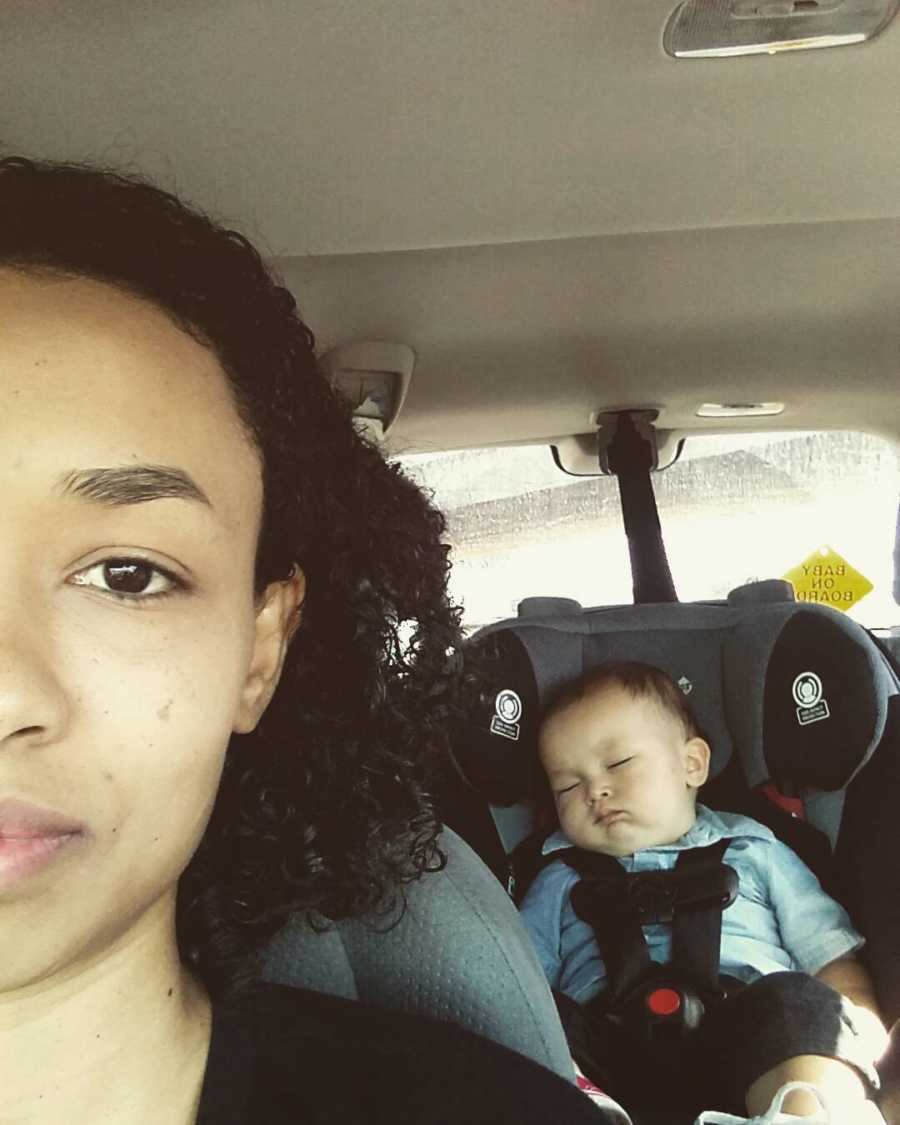
I tried a prescribed medication, warned that symptoms could temporarily worsen over six weeks as my body adjusted. After just one week, I felt worse. With my due date approaching, I was advised to stop. I was given the option to try again postpartum, but fear held me back.
I grew up around stigma toward mental health medications. Looking back, I wish I had tried again because, a month after giving birth, I fell into severe postpartum depression and anxiety. Now, a year later, I’m on medication, and I feel stable and well.
Even though that first attempt didn’t work, something powerful happened after my diagnosis that changed everything.
Mental health became a routine part of every prenatal appointment. Each nurse midwife listened with empathy, helped me problem-solve, and gave me a safe space to share and cry. Just that space—being heard without judgment—made a tremendous difference.
I shared my financial stress, the mom-guilt of a toddler stuck indoors while I worked from home, six days a week. My nurse midwives suggested I apply for state disability, a resource I didn’t even know existed. They helped me fill out the application and submitted it on my behalf. When approval came, I was able to leave my job, easing an enormous burden. Suddenly, I could focus on my mental health and caring for my children.
Now, a year postpartum, I’m in weekly talk therapy, no longer experiencing postpartum depression or anxiety. I’m doing work I love and have discovered countless state and community resources for moms needing food, childcare, therapy, and support.
The one lesson I want to leave you with is this: get a diagnosis. Don’t stop until you have clarity. There is power in naming your struggle. Others take you seriously. You take yourself seriously. And most importantly, you gain access to the help and support you deserve.
A diagnosis isn’t the end—it’s the start of a more hopeful journey toward better mental health and a better life.
Motherhood is the hardest job in the world, and battling mental illness on top of it can be life-threatening. No one should carry that alone. If you’re a mom struggling, there is hope and help. You are not alone, and reaching out is the first step toward healing.”