I remember it like it was yesterday.
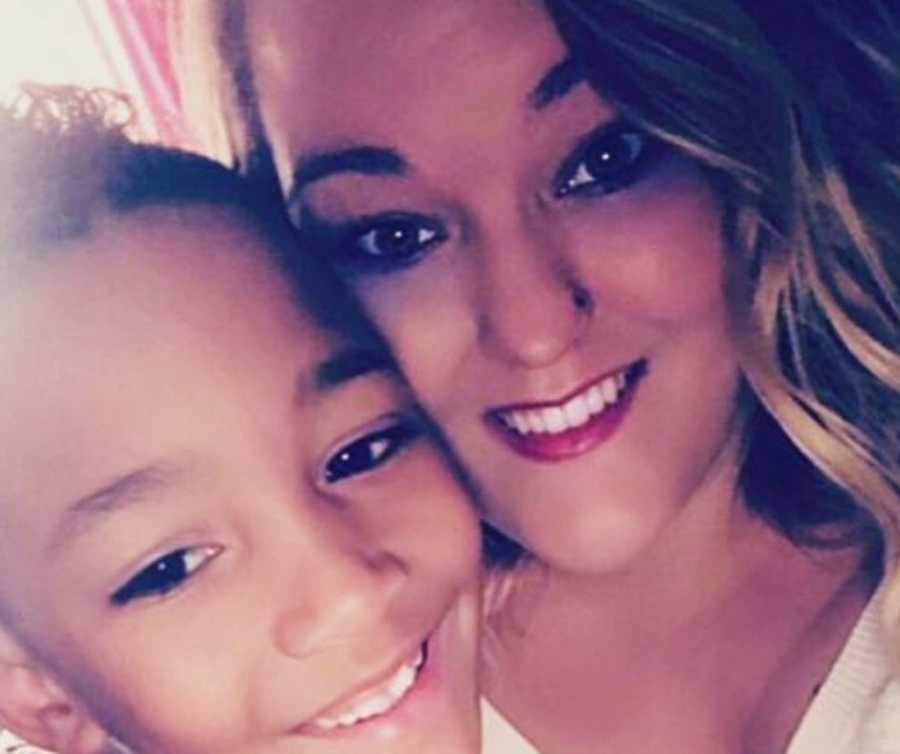
I was standing in the kitchen when the call came. In an instant, my legs gave out. I dropped to my knees and screamed—loud, raw, and endless—screaming in a way I didn’t know my body was capable of. I’m still surprised my lungs didn’t burst.
I remember my son wrapping his arms around me, his small voice full of worry as he asked, “What’s wrong, Mommy? Don’t cry.”
I remember stumbling up the stairs to his best friend’s room, shaking him awake in the middle of the night, struggling to force out the words I once prayed I’d never have to say: “He’s gone.”
I remember collapsing on the floor, sobbing uncontrollably, while he tried to lift me up, to steady me. I remember screaming into a pillow so my son wouldn’t hear how broken I was.
All the tears, the pain, the screaming—it still hadn’t fully sunk in. My twin brother died that day.
It didn’t take long for my son to sense that something was wrong. Between the crying, the nonstop phone calls, and the frantic plans to fly out, he knew this was bigger than anything he’d seen before.
Then came the words that shattered my heart: “Mom… what’s wrong with my uncle?”
How do you explain to an eight-year-old that someone he loved so deeply wasn’t coming home? How do you tell a little boy that his “roommate” would no longer share his space, his laughter, his life? How do you explain death to a child? The truth is—you don’t. There is no perfect explanation.
I waited for hours, replaying his question in my head, trying to find the right words. I knew nothing I said could protect him from the pain he was about to feel.
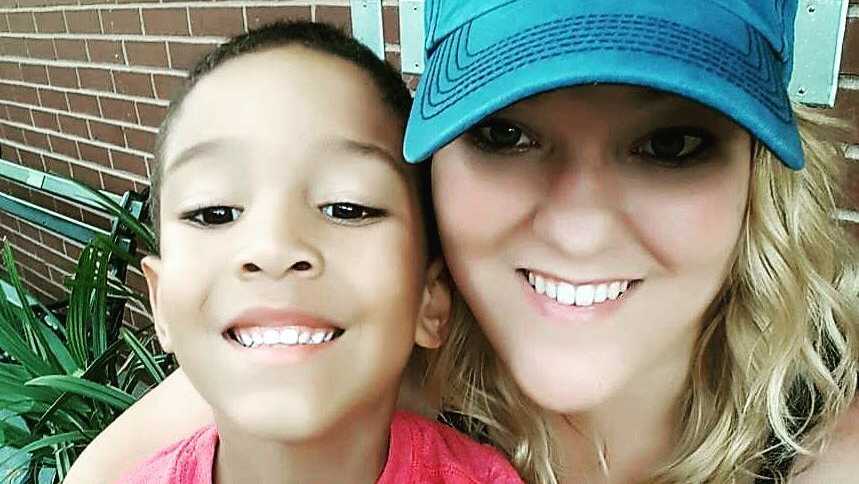
I thought back to a conversation we’d had months earlier, when my brother was in rehab. My son had asked when his uncle was coming home, and I’d kept it simple: “Your uncle is sick, and he’s with doctors who are trying to help him get better.” But now, I needed a different answer—one that an eight-year-old could understand, and one that would break his heart.
“Baby, you remember when your uncle was with the doctors and they were trying to make him better so he could come home? Well, they tried and tried, but they couldn’t make him better. Your uncle went to heaven.”
I wasn’t prepared for his response. “Mom… when will he be back?”
He didn’t understand—and how could he? We spend years trying to shield our children from the cruelty and pain of this world. With a breaking heart, I explained, “Buddy, he isn’t coming back. But he’s watching over you now. He’s free from pain. He’s finally happy.”
The hours blurred together as I booked a flight, threw clothes into a bag, and rushed to the airport to be with my family.
My brother had been battling drug addiction since 2014. It started small—smoking weed here and there—but eventually, that wasn’t enough. He began chasing stronger, more dangerous highs.
I remember walking into his room one night when he was overdosing for the first time. “Sis, I love you. I’m so sorry.” He had taken PCP. I ran to get our dad, called 911, and waited in terror for the ambulance. At the hospital, I watched him come to, confused and unaware of what had happened. I truly believed that was the scariest moment of my life. I believed it would be the only time I’d have to fear losing him.
“It was just a one-time thing,” he promised. “I did too much. It won’t happen again.”
Those words—it won’t happen again—became his refrain. The one-time mistake became a habit, and that habit became his life. What started as curiosity turned into self-destruction.
It always happens again. PCP led to opioids, opioids to cocaine, cocaine to heroin. Things would improve, then fall apart, then improve again—an endless cycle.
My brother also endured a loss of his own—the death of his best friend. While that story isn’t mine to tell, I know that loss shattered him in the same way losing him has shattered me. I didn’t understand it then. I do now.
He tried so hard to move forward. He’d get clean, find steady work, start over—then one setback would send him spiraling. The emotional roller coaster he rode, we all rode with him. We celebrated his sober days and mourned his rock bottoms, doing everything we could to help him rebuild.
Over time, I learned a painful truth: you cannot force an addict to get help. They have to want it. No amount of love, pleading, or fear can replace that desire.
When he finally asked for help, we moved immediately—because when an addict asks, you act right then, before the moment slips away.
Rehab wasn’t easy. He spent weeks questioning his decision, days calling in tears, begging to come home. What he didn’t see was that he was succeeding—he was clean for the longest stretch he’d had in years. Twenty-eight days sober.
But sobriety lasted only 28 days.
Relapse followed relapse. More rehab attempts. More ambulance rides. More sleepless nights. The light at the end of the tunnel felt farther away with each passing day.
I don’t know exactly when he relapsed that final time. I remember Christmas 2018—he was healthy, laughing, sober, and hopeful. Somewhere between then and March 9, 2019, everything unraveled.
In the two weeks before he died, he overdosed twice. He didn’t know how to stop.
The final dose—the one that took his life—was laced with fentanyl. That tiny amount of poison stole him from everyone who loved him.
March 9, 2019, became the worst day of my life.
On the plane, I stared blankly, searching for anything to distract me during that hour-long flight so strangers wouldn’t hear me sob. When I landed, I walked toward my mother, who was barely holding herself upright. Staying strong while feeling completely shattered is a pain I can’t put into words.
Planning his funeral felt surreal. How do you plan a funeral for a 28-year-old? For your best friend? For your twin? From casket choices to flowers, every detail felt unbearable.
Identifying his body is a memory that will never leave me. He looked like him—but he wasn’t there anymore. His smile was gone. His laughter was gone. His warmth was gone. That was goodbye.
At his funeral, more than 300 people came. Hug after hug, story after story—it became painfully clear how many lives he had touched. When it was time for me to speak, I broke down completely. But I owed him those words, so I stood up.
I told the truth. I shared my message to him. I begged others to learn from his story.
Nine months later, the pain hasn’t faded. I still wipe tears from my son’s eyes. I still pull over some days just to breathe.
I share this not for sympathy, but for awareness. My brother was funny, loving, generous, and full of life. His addiction does not define him—but it did take him.
Recovery is worth it. Please—if you’re struggling, talk. Ask for help. And if someone asks you, listen. You could save a life.