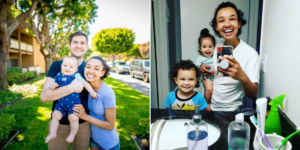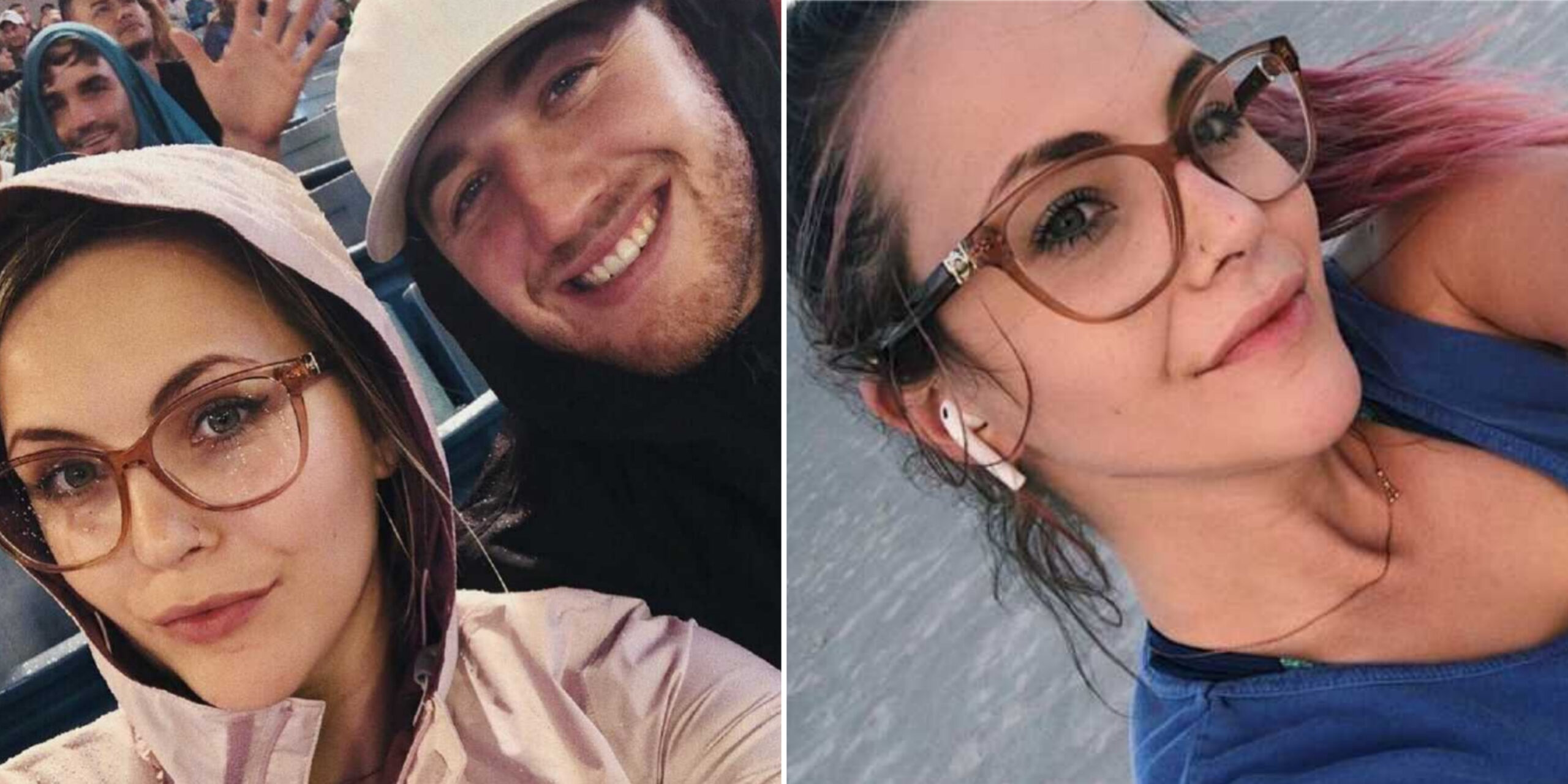
I first started leaning on alcohol to give me confidence during awkward or uncomfortable situations when I was a senior in high school. I had just started dating my first boyfriend and was always anxious about going to his house. A couple of shots of tequila from the Patron bottle I hid in my closet felt like a magic solution, a way to calm my nerves and help me fit in.
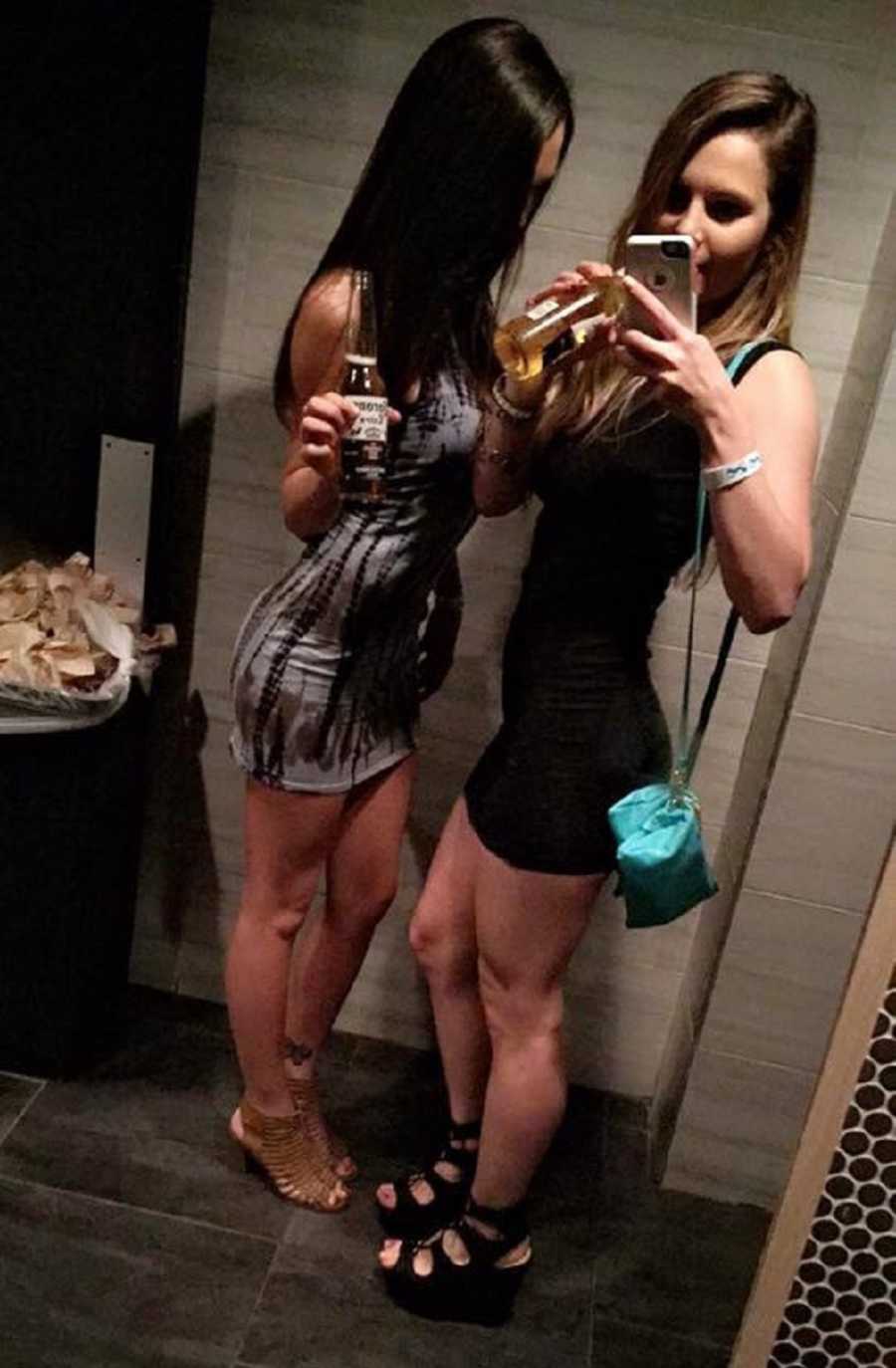
What began as experimental teenage drinking and “liquid courage” eventually became something much darker. I started using alcohol to cope with myself—to like myself. I hated being naturally shy, an overthinker, a worrywart. Alcohol became my quick fix, my crutch, my way to escape the person I didn’t want to be. Just a few drinks could transform me into the outgoing, funny, “sexy” girl I wished I could be all the time. I reinvented myself as a party girl, always up for a good time. But over the years, it became clear to me—and to everyone around me—that my drinking was no longer harmless fun. It was dangerous, and I was losing control.

In December 2015, when I was a sophomore in college, that danger became painfully real. I overturned my car on the side of the highway. I don’t remember deciding to drive that night, but I remember snapping out of a blackout when the crash happened and realizing how badly I was screwed. After totaling my car, spending time in the hospital and jail, being put on probation, and getting kicked out of my sorority, you might think I would have woken up to the reality of my drinking problem. But it was only the beginning.
I wasn’t ready to admit I had a problem. I chalked it up to a stupid mistake, one I wouldn’t repeat. I never drank and drove again—but my drinking didn’t stop. Being banned from my sorority led me to form new friendships that revolved entirely around partying. I was determined to drown out the insecurities, fears, and guilt from the accident with even more alcohol. You could find me at bars at least five nights a week, often blacked out. Somehow, I managed to make it to class and keep my grades decent—but that was the only part of my life that remained somewhat intact.
My relationships suffered greatly. I couldn’t keep a guy interested for more than a few weeks, because I was emotionally unavailable and chaotic. I was more than a “party girl”—I had deep issues. One semester, I planned to move in with a friend, only for her to back out at the last minute, telling me my drinking “scared her.” Despite the shameful moments stacking up, I never stopped.
At the peak of my partying, I was extremely thin. I was prescribed Adderall, which I took daily—and of course, I drank on it, blacking out even harder while believing I felt “sober.” I had almost no appetite, surviving on a combination of alcohol, iced coffee, and drugs. I looked like I had it together on the outside, but mentally and physically, I was falling apart.
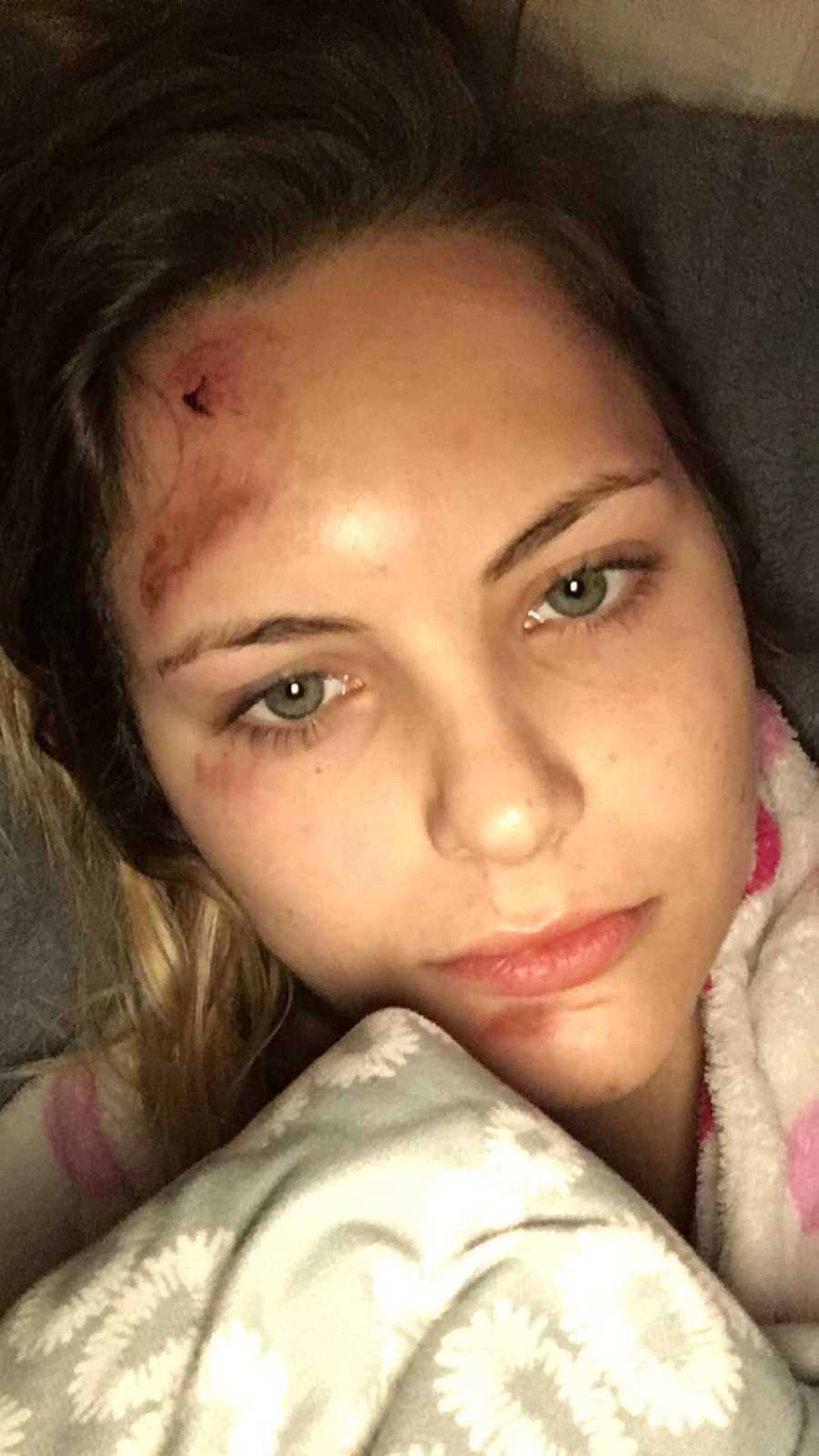
Another wake-up call came when I fell headfirst off a bar while blacked out. I don’t remember the fall, but my roommate called an ambulance, fearing I might sleep through a serious concussion. Waking up in the hospital with a swollen face and bloody cuts shook me, but even then, I only stayed sober for a few weeks. I convinced myself I “deserved” nights out, and kept repeating the same patterns.
After every alcohol-related incident, I felt anxious, depressed, and alone—but I always found excuses to keep partying. I told myself I was just young, that everyone had setbacks, that things would magically improve. But nothing ever did. I kept ending up in the same sad, painful place: alone, hungover, and terrified.
Even after graduating, moving out of my college town, starting a real job, and living with my boyfriend, my drinking followed me. I drank less often, but heavily when I did. Weekends were a blur, Mondays a nightmare. I would quit for weeks, feel amazing, and then somehow find a reason to drink again. My secretive drinking escalated—sneaking shots, hiding bottles, drinking alone—and I was scared of how out of control I had become.
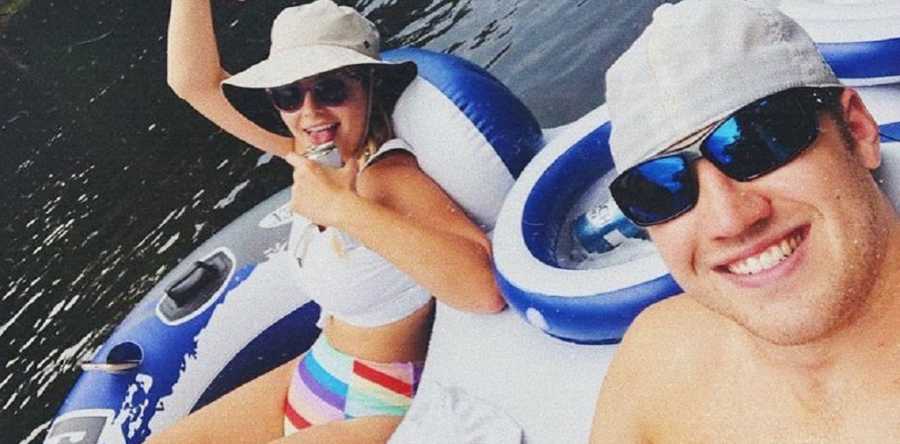
The breaking point came during a boat day with friends. My boyfriend warned me not to overdo it, but the second I had my first drink, all restraint disappeared. While everyone else sipped casually, I chugged one drink after another. I jumped off the boat, but I was too intoxicated to swim back against the current. My boyfriend had to save me. Later, I sat on my kitchen floor sneaking gin, and he caught me. That was it.
The next morning, hungover and ashamed, I couldn’t get out of bed. I had to call out of my new writing job, feeling humiliated. My boyfriend sat me down, and for the first time, I truly listened. “I’m terrified that one day you’re going to put yourself in a life-threatening situation you can’t bounce back from,” he said. I looked at him and felt calm. Ready. I knew it was over. I was done drinking.
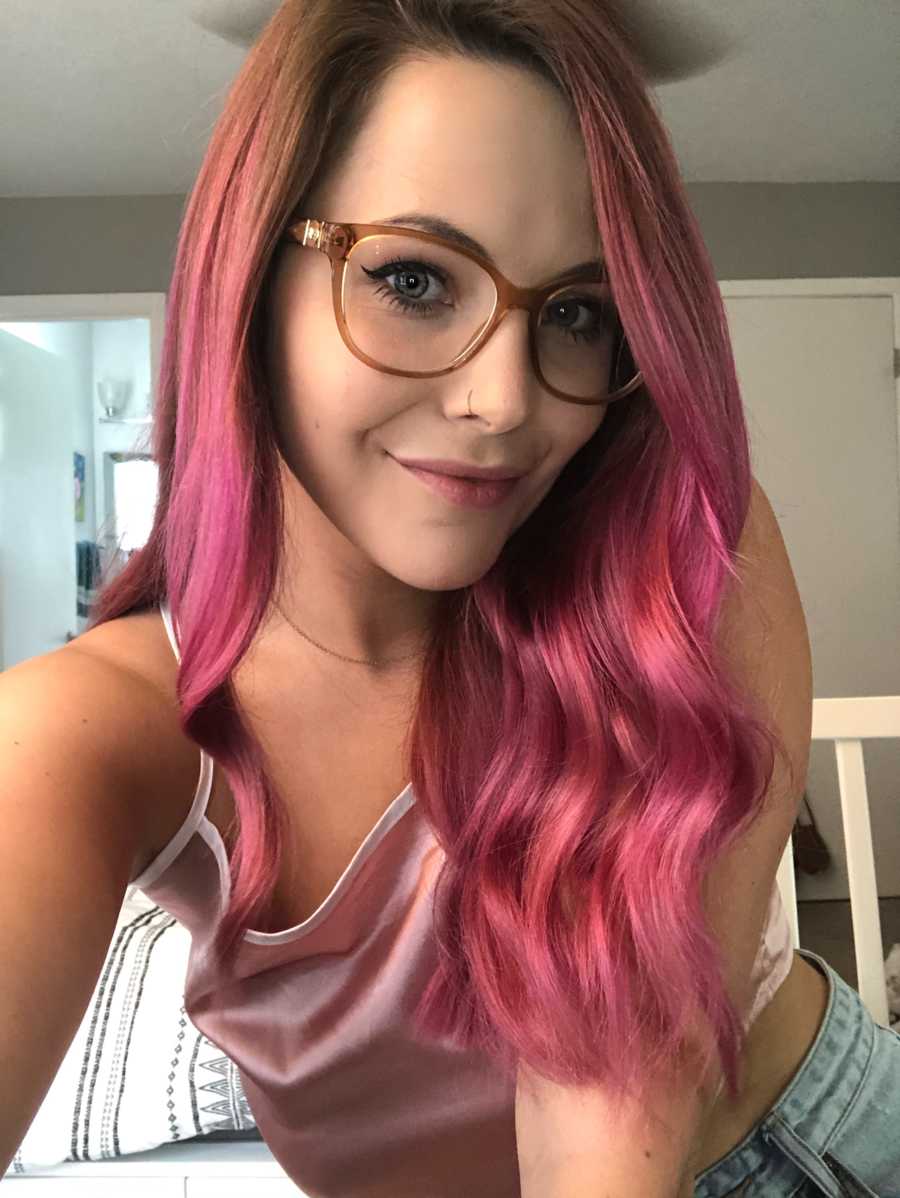
Since then, I’ve been 72 days sober. I don’t crave alcohol or miss my old lifestyle. I’ve surrendered to the truth: alcohol never made anything better. It didn’t make me more likable, more confident, or more fun. It only pushed people away and made me hate myself more. I’ve discovered that life without drinking can be joyful, fulfilling, and guilt-free.
Sober life isn’t always easy. I’m not the life of the party anymore, and social events can be draining. People question me, challenge me—but I’d rather deal with small annoyances than the daily chaos I caused myself before. I’ve gone to bars, concerts, football games, family events, and vacations—all without drinking—and I’ve proven to myself that I can enjoy life fully while staying sober.
Now, my purpose is clear: to live a healthy, happy, sober life and inspire others to do the same. Before discovering the online sober community, I didn’t know a life without alcohol was possible. I hope my story shows that even after hitting rock bottom multiple times, transformation is possible. I never thought I’d get here—but I did, and I thank God for it every single day.