Sometimes I feel there’s a misconception about adoption—that it’s only for wealthy, married couples who can’t have biological children. I hate that stigma. Adoption is so much more than that. It’s a beautiful, life-changing journey that can bring children into loving homes, no matter the circumstances. At its core, adoption is about giving a child the love, guidance, and family they deserve.
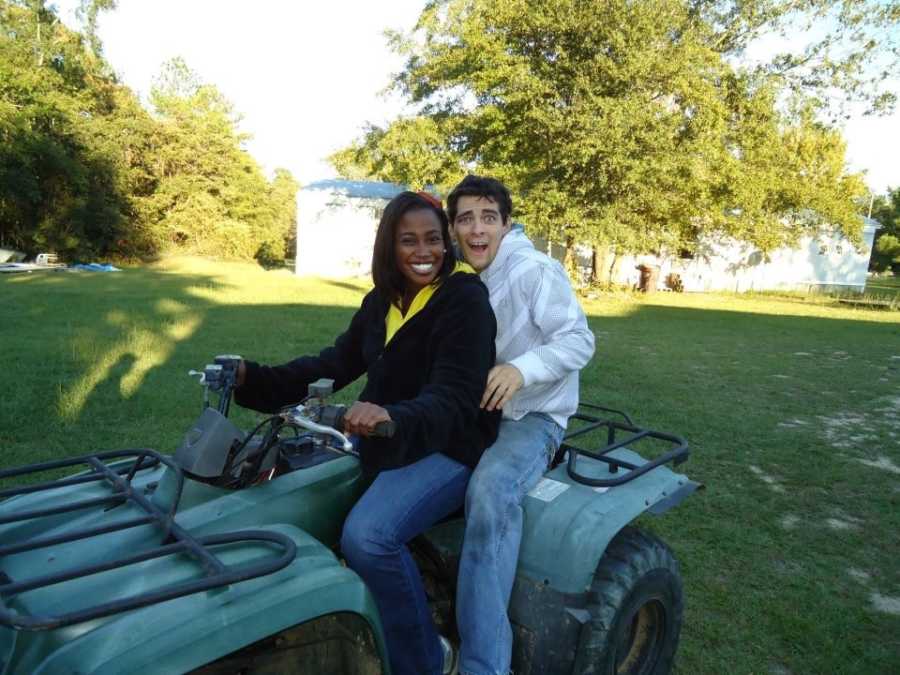
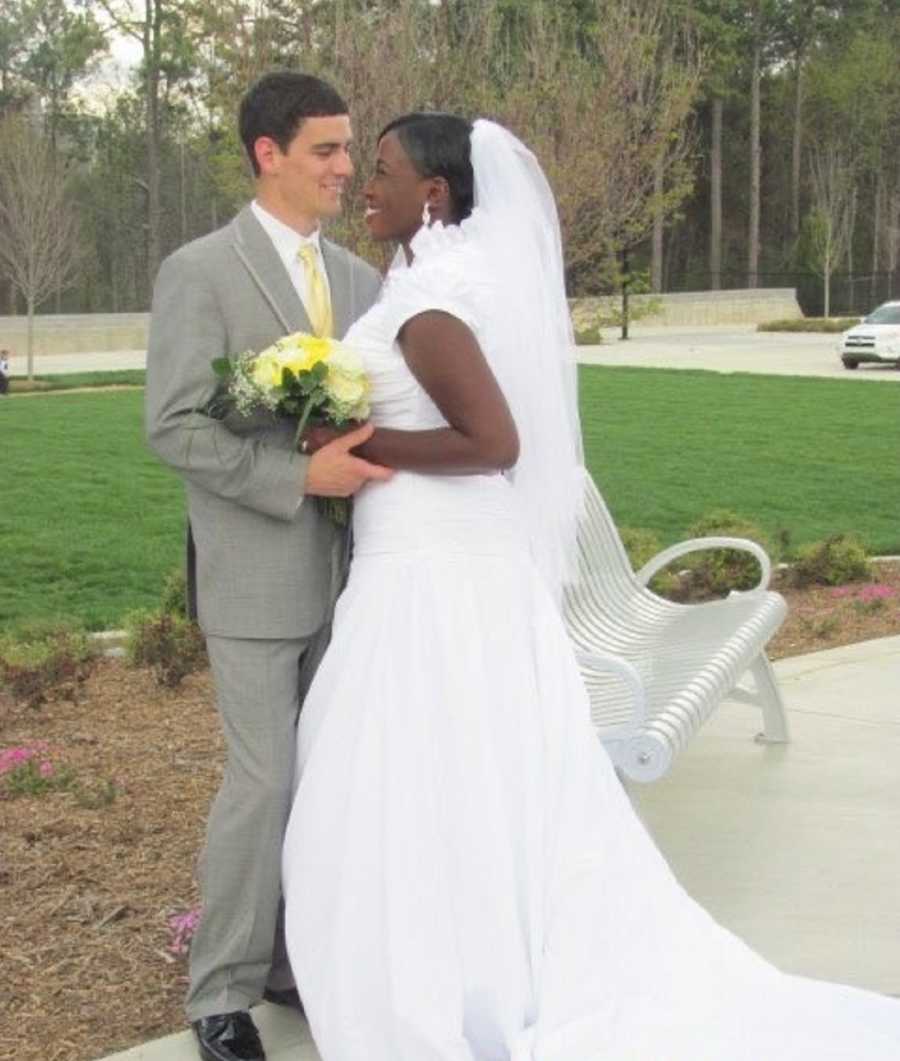
Drue and I first met at EFY, basically a church camp for youth. He wrote his number on the back of my camp book, but his handwriting was so bad that it took four years—and a nudge from Facebook—for us to reconnect. Once we did, we didn’t waste a moment. We started dating in September, got engaged in November, and married the following March. From the very beginning, we both knew we wanted a large family. Before having kids, we jokingly said we wanted eight children. After our first child, we started subtracting one with each new addition—seven, then six—but by the time we hit thirty, we were halfway to that original dream.
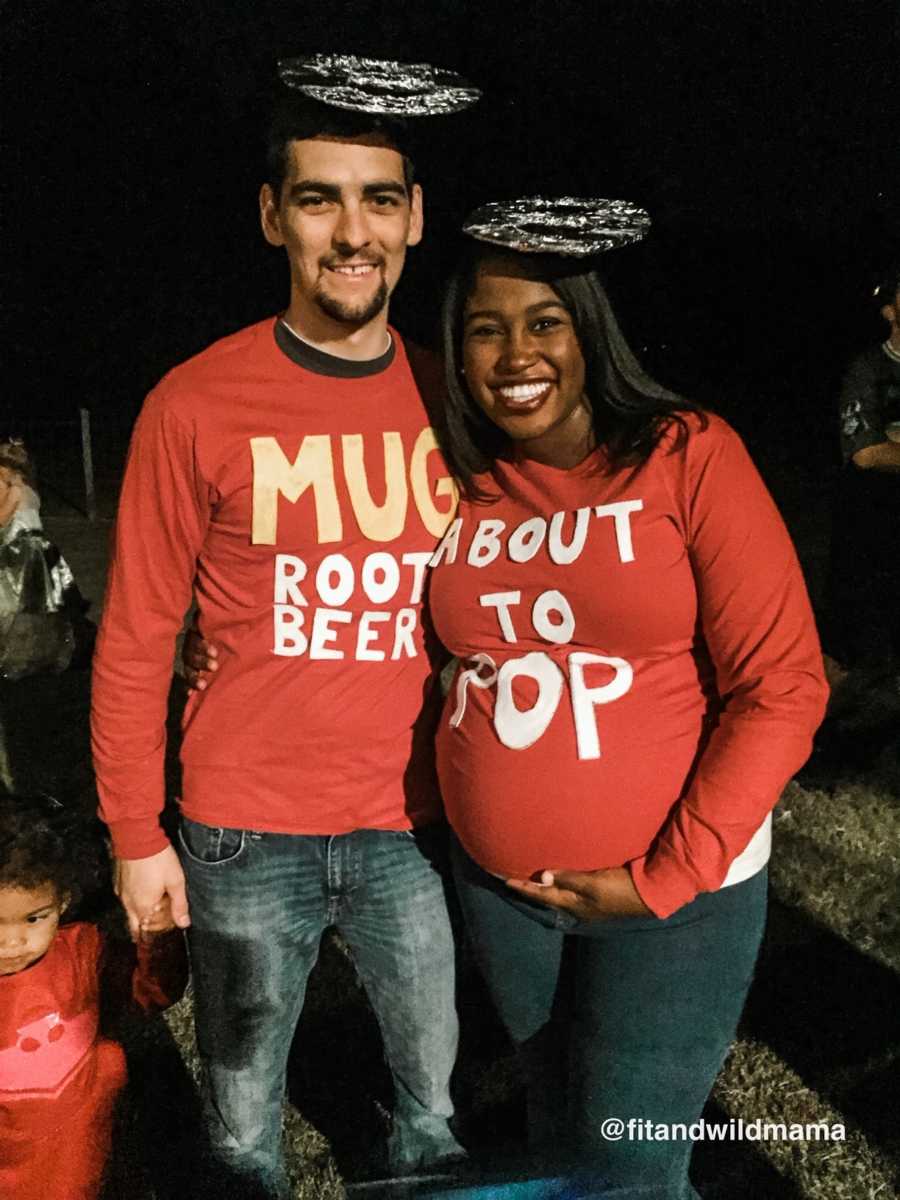
For the most part, having children came naturally, though my pregnancies have always been difficult. I suffer from hyperemesis gravidarum, which causes me to lose 20–35 pounds and require frequent hospital visits. So how did adoption enter our lives? It actually traces back through generations on my husband’s side. Some families seem destined to be part of the adoption journey, and we’ve been blessed to continue that tradition. Drue’s grandmother, mother, and aunt were all adopted, and now we were stepping into that legacy.
Our adoption journey has been full of joy, tears, and constant prayer. Before our oldest son started kindergarten, we decided to try travel nursing as a family, giving us the chance to explore the country while earning a living. Our first stop was visiting Drue’s grandmother. During that visit, we received shocking news:
“Your sister-in-law has been arrested. Her kids will be placed in foster care if someone cannot pick them up from school tomorrow.”
Our hearts sank. What could we do? Drue and I had an urgent, serious conversation. Could we handle three more children while traveling and caring for our own newborn? Could we take on the responsibility? By fate—or perhaps divine timing—we were in the right place at the right time to act. Within twelve hours, we were on the road to pick up the children.
Arriving in a city with three children under four in our minivan was daunting. We connected with friends for a place to stay, then the next day picked up two of our nieces and nephews from school. The youngest, a two-year-old, was with a family friend nearby. As the full situation unfolded, we realized the challenges ahead. Lawyers were difficult to secure, and we faced court without legal guidance. Our hearts were heavy with fear, but we knew we had to advocate for the children.
Due to prior legal proceedings, the older niece and nephew were temporarily placed with a grandmother they hadn’t seen in years, while the youngest stayed with her paternal grandparents. Handing over your own family members to strangers is gut-wrenching—what would they eat, where would they sleep, would they feel safe? Thankfully, the couple taking them was loving and kind, easing our fears. Through tears and hugs, we entrusted them to the foster family, determined that the youngest child would have a more stable outcome.
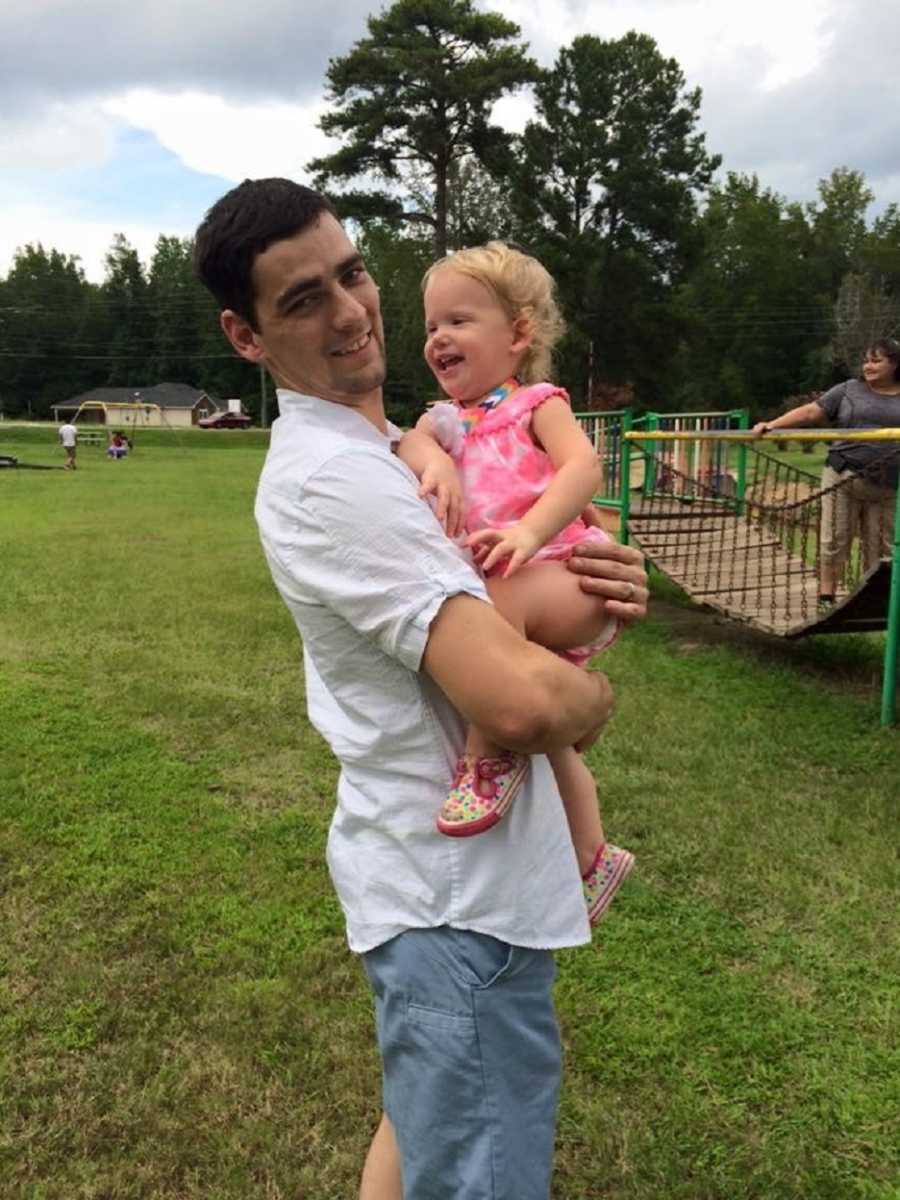
Next, we reached out to the biological mother to discuss guardianship for the youngest niece. Nervous and uncertain, I let Drue start the conversation. At first, she refused, saying simply, “No, I don’t think my daughter staying with you would be best,” without explanation. Drue, sensing the situation, didn’t push. A few days later, the mother agreed to guardianship with the paternal grandfather. During those months, we cherished every moment with our niece, growing more certain that our home was where she belonged.
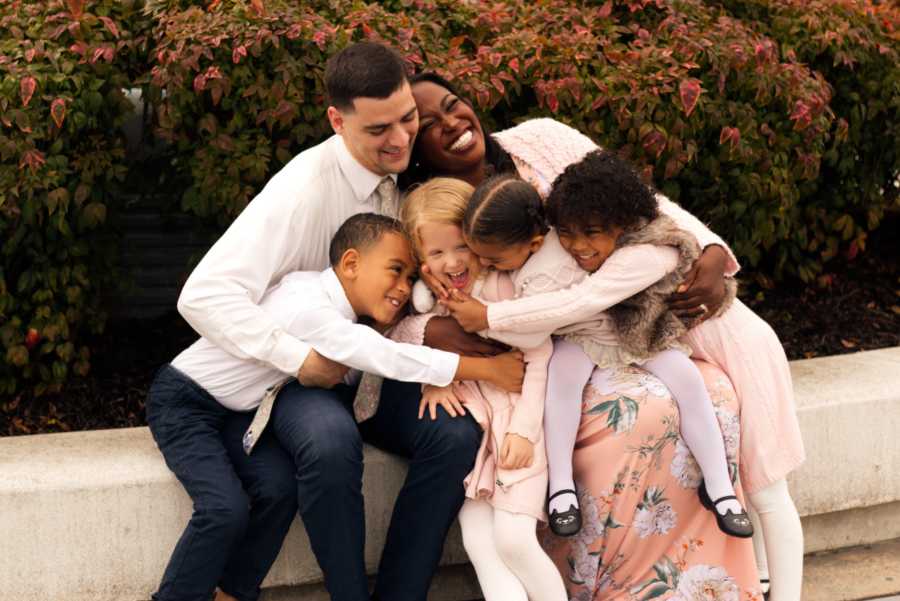
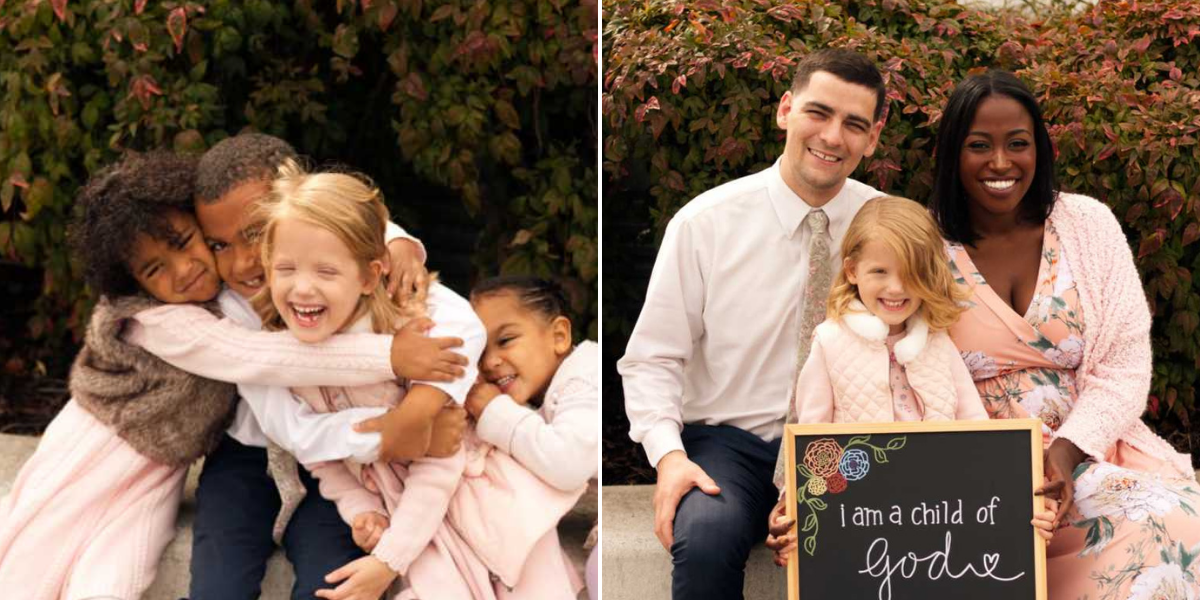
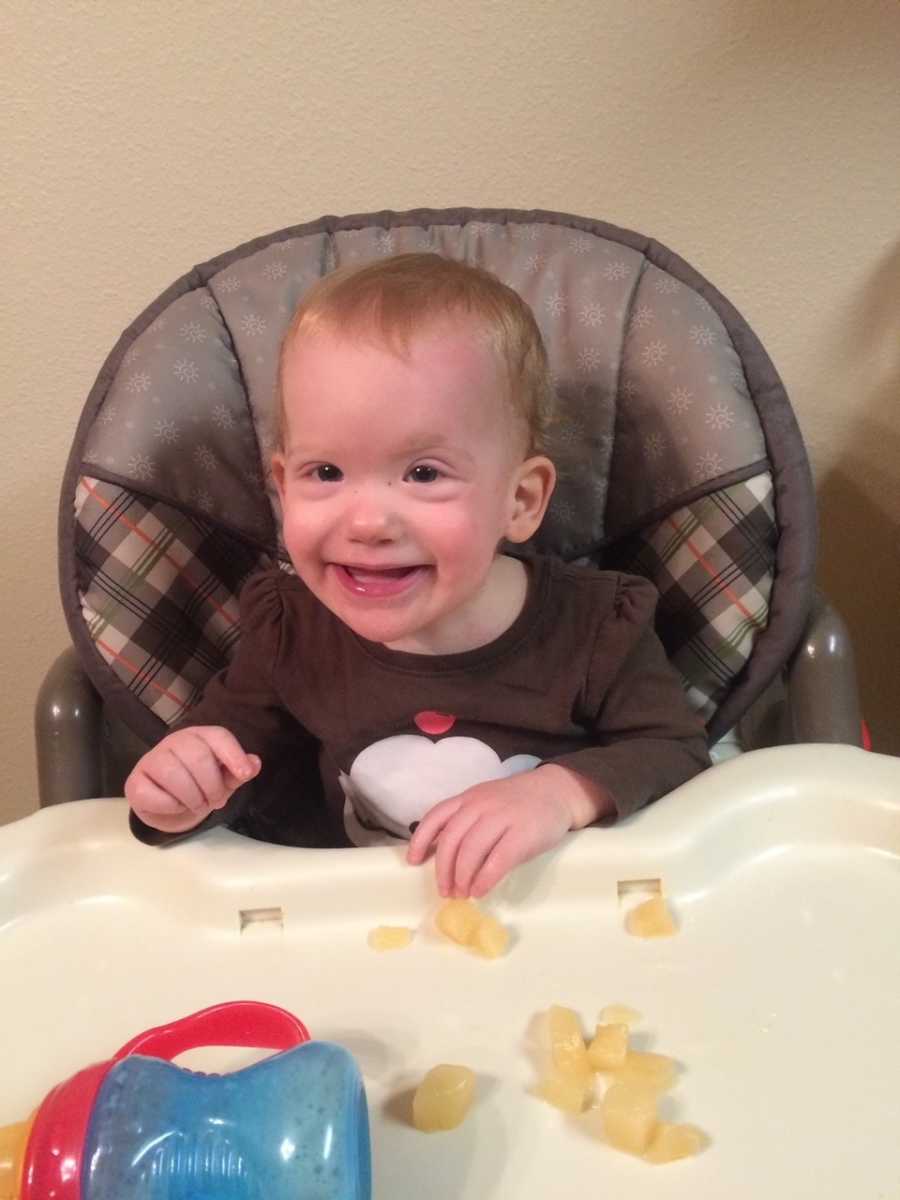
Three months later, after careful discussion and consent from all parties, we welcomed her into our home. She fit seamlessly with our three children, and though adoption proceedings had a waiting period, we knew she was meant to be ours. The transition wasn’t without challenges. She struggled to connect with children her age, had severe anxiety, and would often wake crying. Therapy became a lifeline, guiding both her and us through this adjustment period.

I also discovered a surprising challenge: managing her hair. As a mother of bi-racial children, I thought I had this down, but each morning became a lesson in patience and creativity. I sought advice from friends, experimented with every tip, and even woke thirty minutes earlier than usual to ensure everyone’s hair was cared for before school. Small acts of love like these became our way of nurturing her.
We also faced public scrutiny. Strangers would sometimes ask, “Is she really your child?” in front of our kids. These moments hurt, but they strengthened our resolve to show her daily that she was loved, safe, and fully a part of our family.
Adoption day was a mix of anxiety and hope. Could the judge recognize that she belonged with us? When the day came—October 16, 2019—it was perfect. Our family and close friends surrounded us. The judge made our daughter feel celebrated, including the other children in the ceremony. I kept repeating, “I can’t believe this day is finally here,” overwhelmed with the same joy and euphoria I felt at the births of my other children.
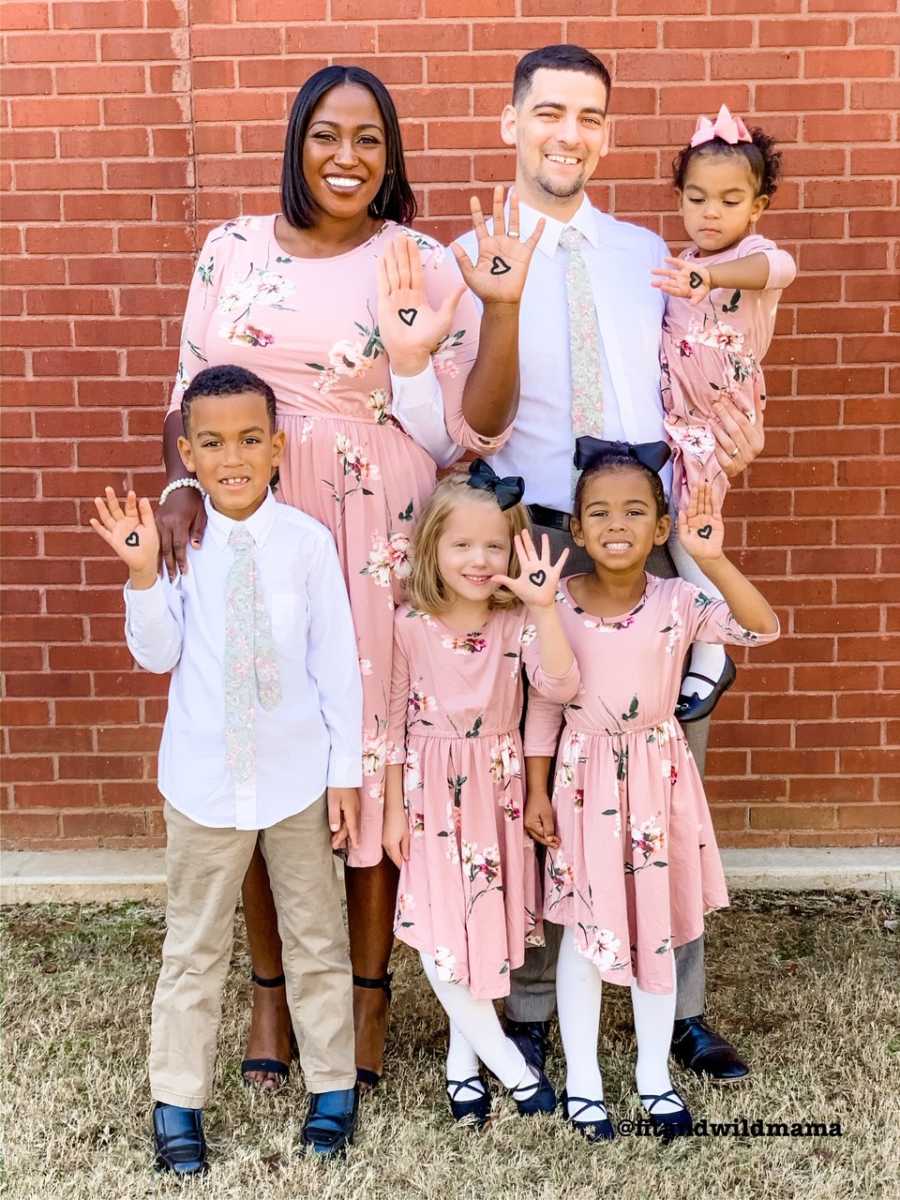
Drue often reflects on his grandfather’s legacy, who, during wartime, adopted a child he felt a special connection with. While our lives aren’t defined by war, we’ve seen tragedy and need, and we’ve felt the same calling to do good. We hope to honor that legacy by providing our daughter a home full of love, safety, and guidance until she’s ready to face her own adventures. I am proud to call her one of my children and grateful every day for the journey that brought her to us.