It’s hard to explain how I got so big. I was born six weeks early, small and fragile from the very start, and I remained that way throughout my childhood. I was always the youngest girl in my class, and those few months my peers were ahead of me in growth and development felt like a constant race I could never win—physically, socially, and emotionally. I had little appetite as a child, and my extreme pickiness meant my mother had a short list of four or five foods I would even consider eating—none of which were exactly nutritious. Looking back now, I realize I may have been hardwired for an eating disorder from the beginning. My mother did everything she could, but my refusal to eat was a relentless, immovable force against her equally unstoppable efforts.
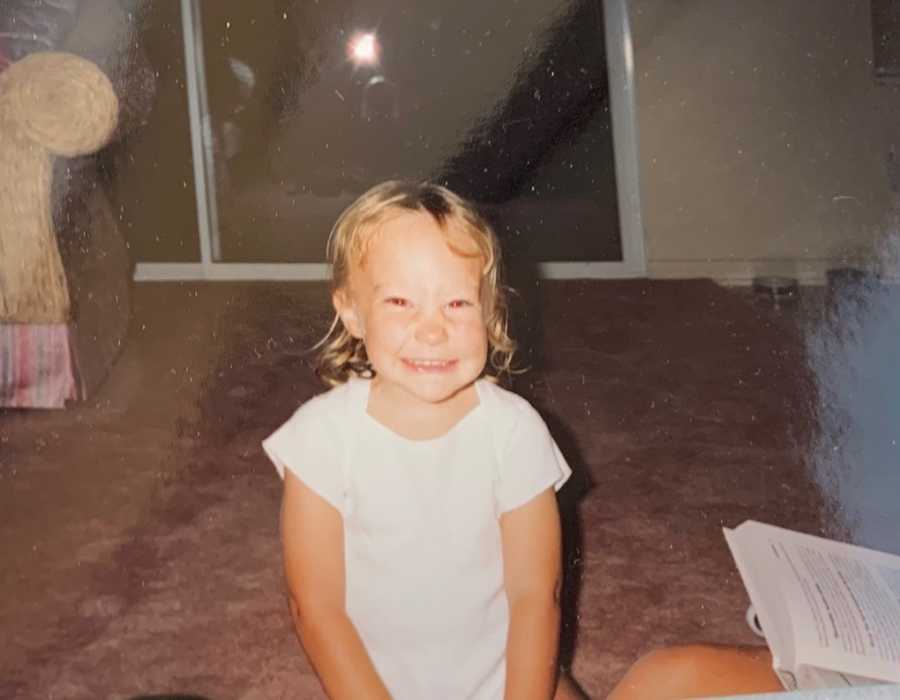
I don’t remember much about my childhood in clear detail. My mother tried tirelessly to create a happy, safe life for her children, but my father—an alcoholic who was violently abusive—seemed determined to undo her work at every turn. Life at home was like balancing on a landmine, hoping that every step wouldn’t trigger a catastrophic explosion. I learned early on to make myself as small and invisible as possible. Part of that meant spending long stretches of time at my grandmother’s house. My Tutu, as we were forced to call her after her trip to Hawaii, lived in a crammed, aging split-level filled from floor to ceiling with her hoard. I have fragmented memories of crawling under and around teetering towers of boxes to reach the kitchen, hunting for anything edible. Tutu was a binge eater, and she would pile me into her Volkswagen Vanagon for McDonald’s runs or trips to Dairy Queen to buy ice cream cakes. Back home, she would consume her spoils with a voracious hunger, then retreat to bed, leaving an empty, chaotic house in her wake. One year, she even stole and devoured all of my Halloween candy, claiming, “It’s your fault for forgetting it here in the first place. If you leave it here, it’s mine.” The experience of food became inseparable from chaos, manipulation, and confusion.
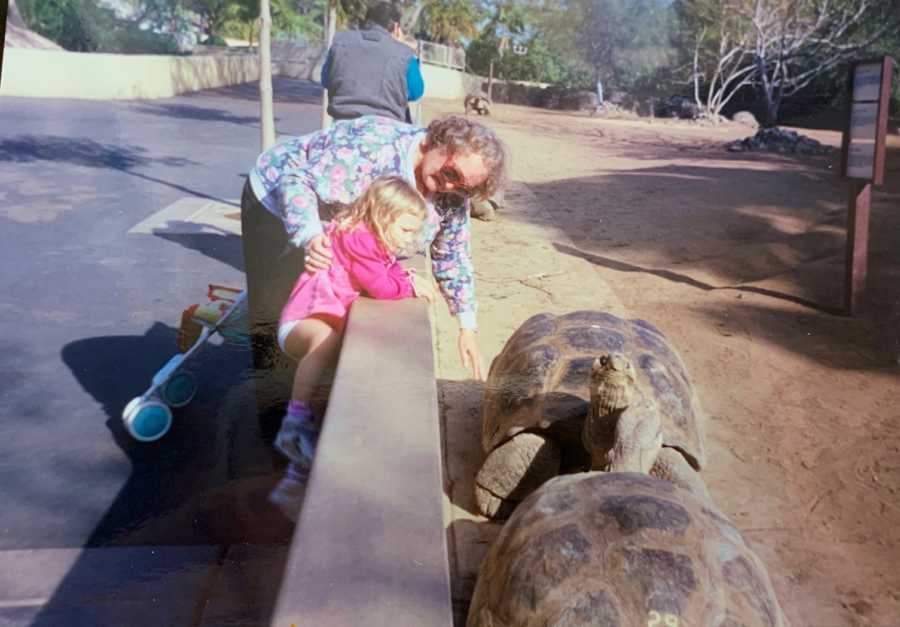
By my freshman year of high school, life at home had reached a fever pitch. My father was laid off once again, Tutu had moved in after her age and weight made her prone to falls, and I became seriously ill. I remember coughing sharply, a stabbing pain in my right side, barricading myself in my room with my little brother, trying to muffle the sound as my father’s drunken rage erupted from the kitchen below. Tutu turned cold and distant, telling me, “You’re old now. You aren’t cute and you have a bad attitude.” The attention she once lavished on me was redirected entirely toward my little brother, and her small loft space slowly began filling with the beginnings of another hoard. The chaos became unbearable. I stopped eating. For the first time in a long while, the world narrowed into a manageable space: the only question was, “Will I eat?” Most days, the answer was no.
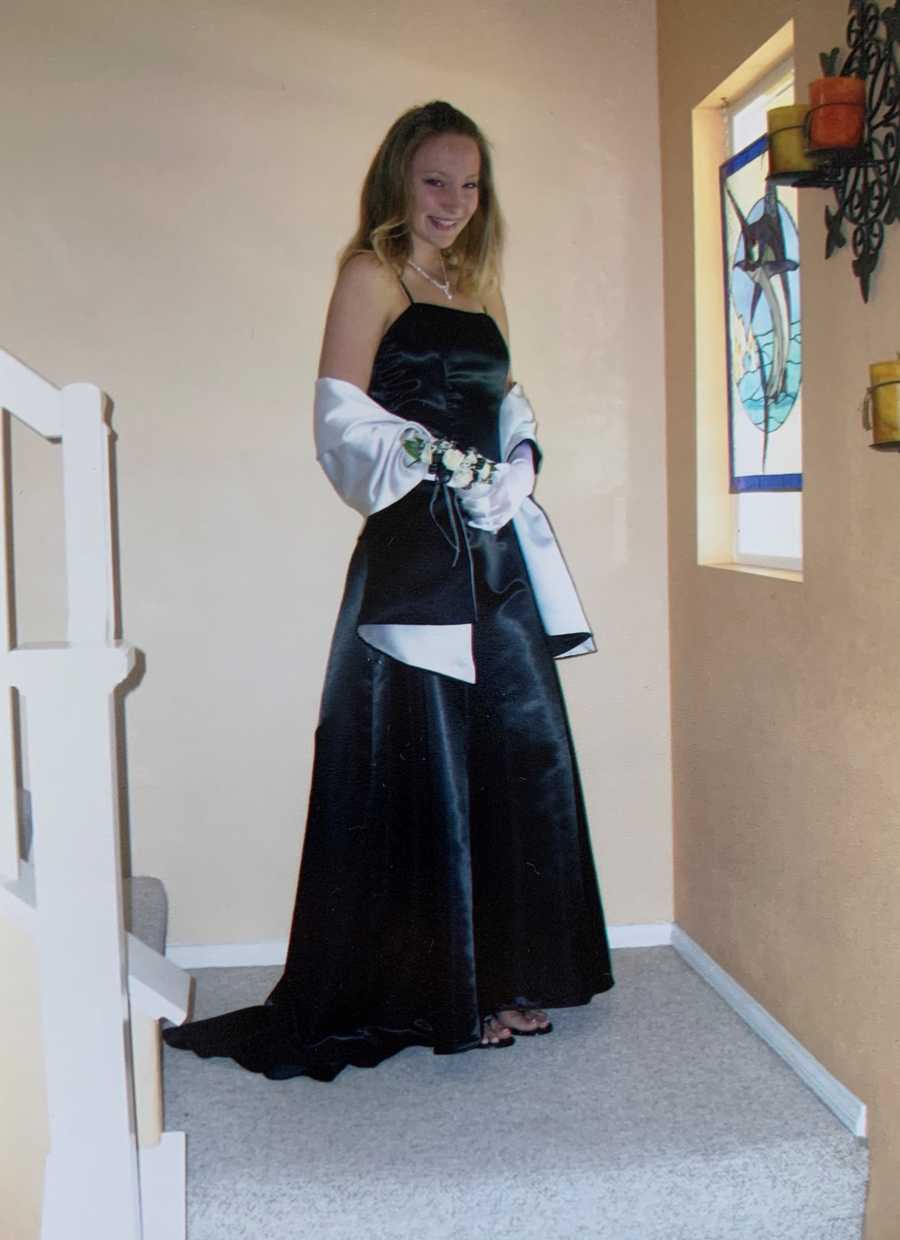
The starvation led to dysmenorrhea—the loss of my period. My mother took me to see a doctor, who diagnosed me with anorexia nervosa. But nothing was done to help me. My father, drunk and enraged, insisted, “Only crazy people need shrinks. She’s not crazy; she’s just doing this for attention.” His anger intensified after that visit, culminating in a terrifying warning: “Stop with these dramatics, or we’ll haul you off to the loony bin. You don’t want to be locked up with the REAL crazy people, do you?” I don’t remember how I responded, but his threats did not cure me.
My mother tried in her quiet, patient way. She made protein shakes, bartering with me—“Finish this, and you can drive to school.” I would slurp the last third of the shake as we pulled into the drop-off zone, struggling with berries clogged in the straw. Slowly, these small efforts helped me function a little better. Tutu eventually moved out, and my father found work again; the drinking lessened. Life calmed enough that I began to feel the piano wire of anxiety inside me loosen, and my appetite slowly returned.
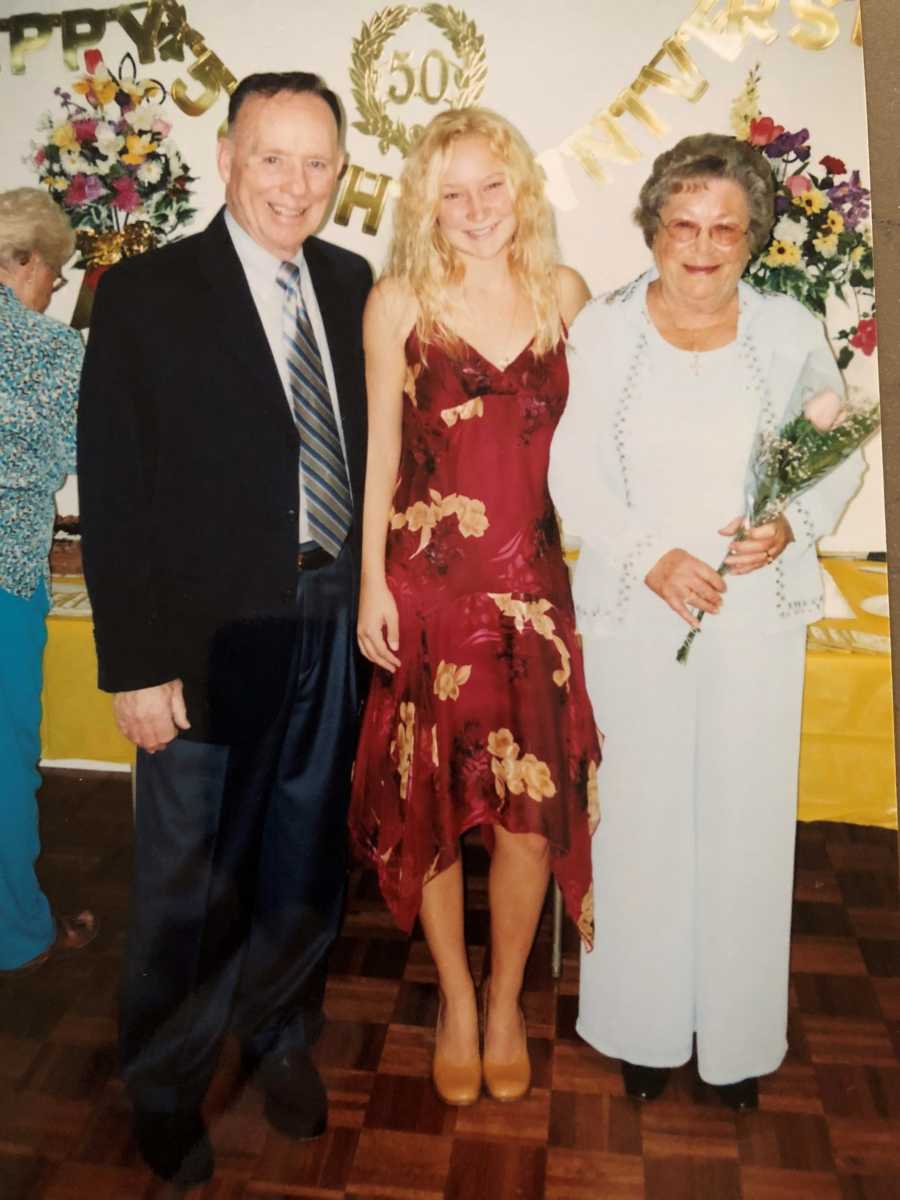
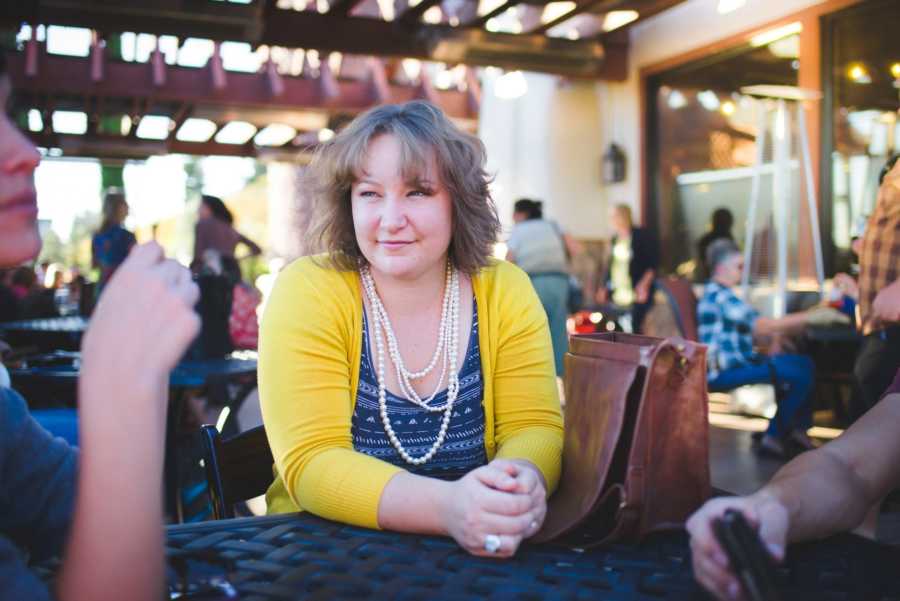
After high school and college, I married my best friend, my husband, who became my rock. Our relationship is quiet, enduring, and deeply loving, yet it faced severe challenges immediately after our wedding. I was in a horrific car accident, trapped in a ravine with rushing muddy water, extracted only by harness. I was bedridden for months, haunted by nightmares and flashbacks. The helplessness I felt echoed my childhood, leaving me adrift in a world where the only thing I could cling to was food. My appetite surged; I couldn’t feel full, no matter how much I ate. In two years, I gained around 100 pounds, with failed attempts at losing it.

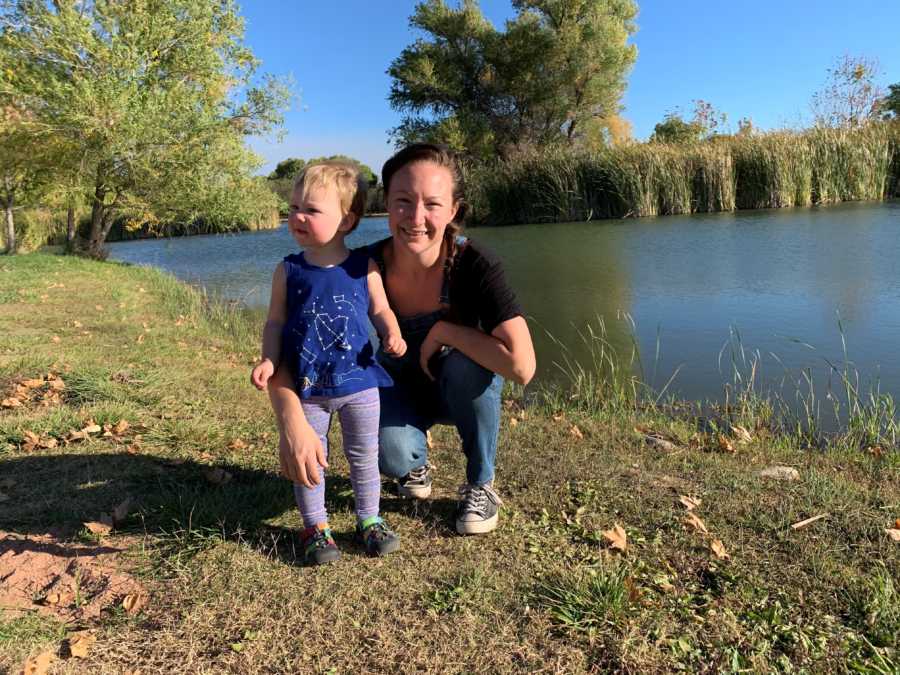
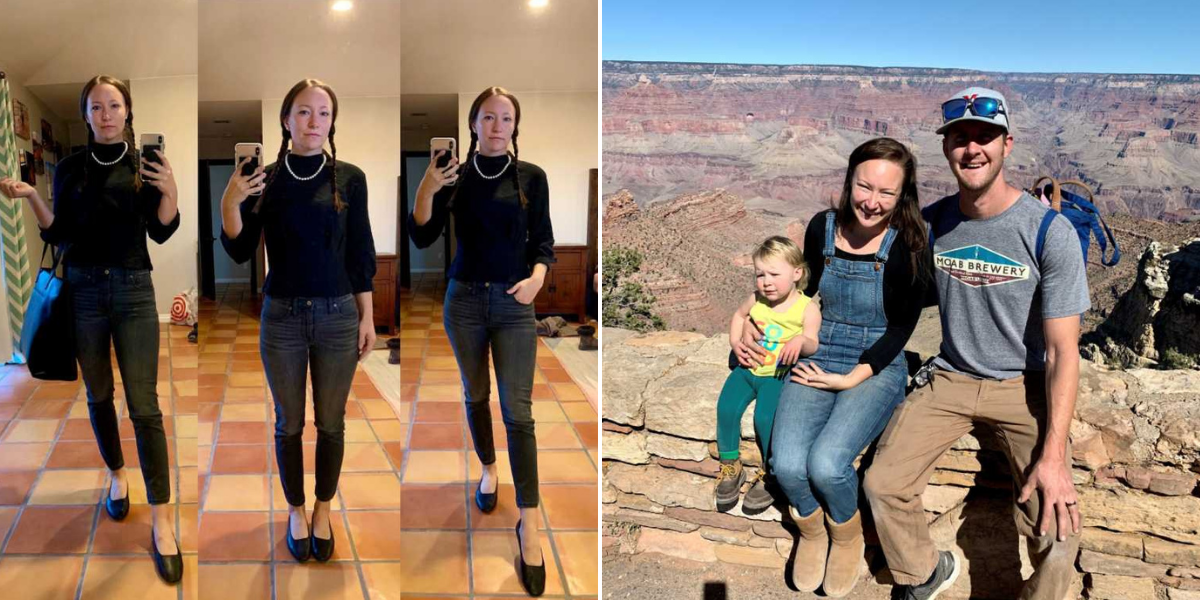
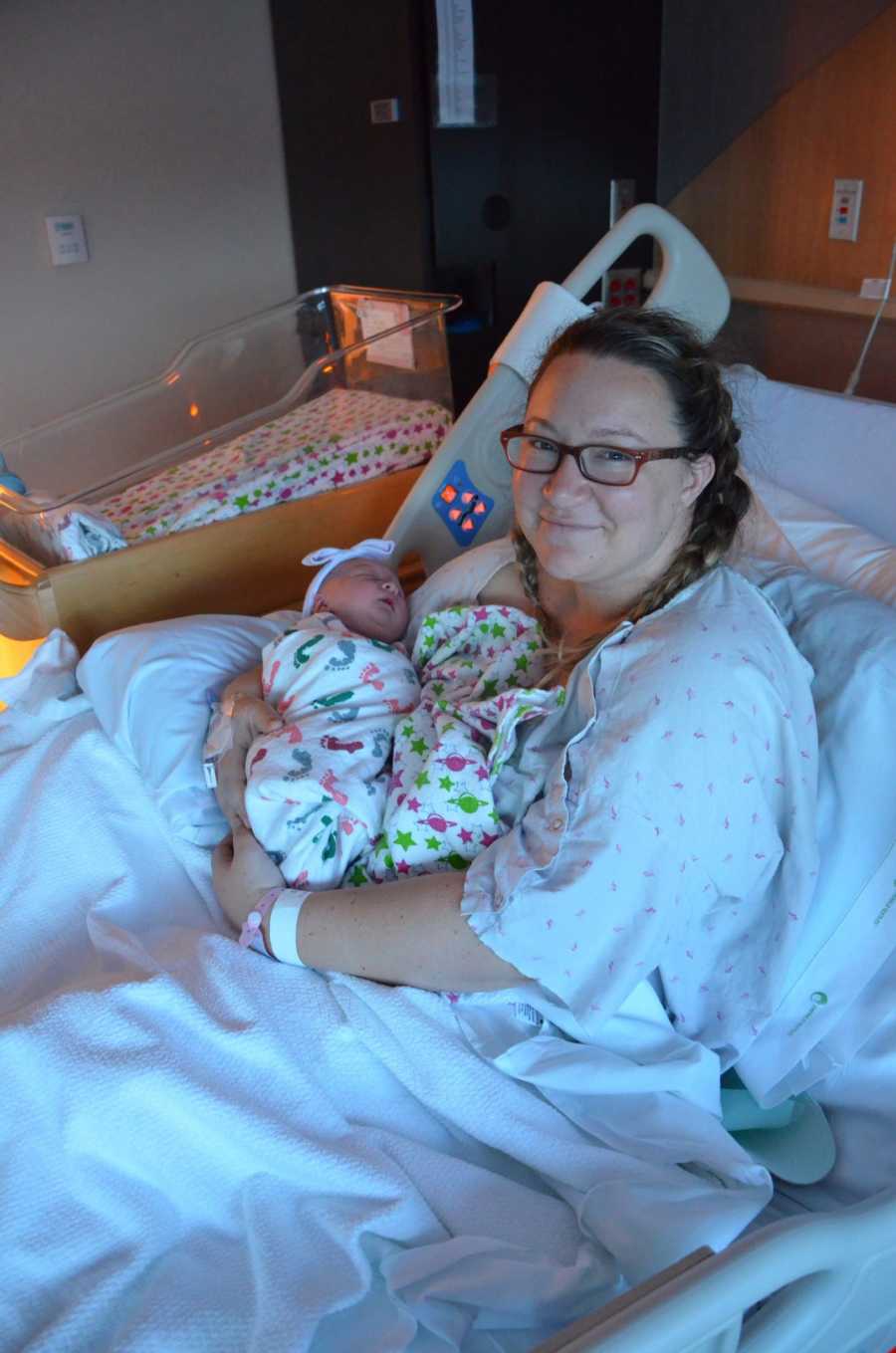
Life stabilized gradually. We started our business, adopted a dog, bought a home, and traveled. Then we decided to grow our family. Pregnancy was physically and emotionally difficult, made worse by my weight. When my daughter was born in January 2018, she was perfect, yet I felt powerless over my own body and over her care. Breastfeeding, particularly when it didn’t go smoothly, ignited the same rage and helplessness I had felt as a child. I reverted to extreme restriction, and while the house was cleaner and I had more energy, my health deteriorated. Hair fell out, my weight plummeted, and eventually my husband rushed me to the ER after I lost consciousness from chest pain. Thankfully, it was dehydration—but it was a wake-up call. I had more to lose this time: myself, and the life I wanted to protect for my husband and daughter.
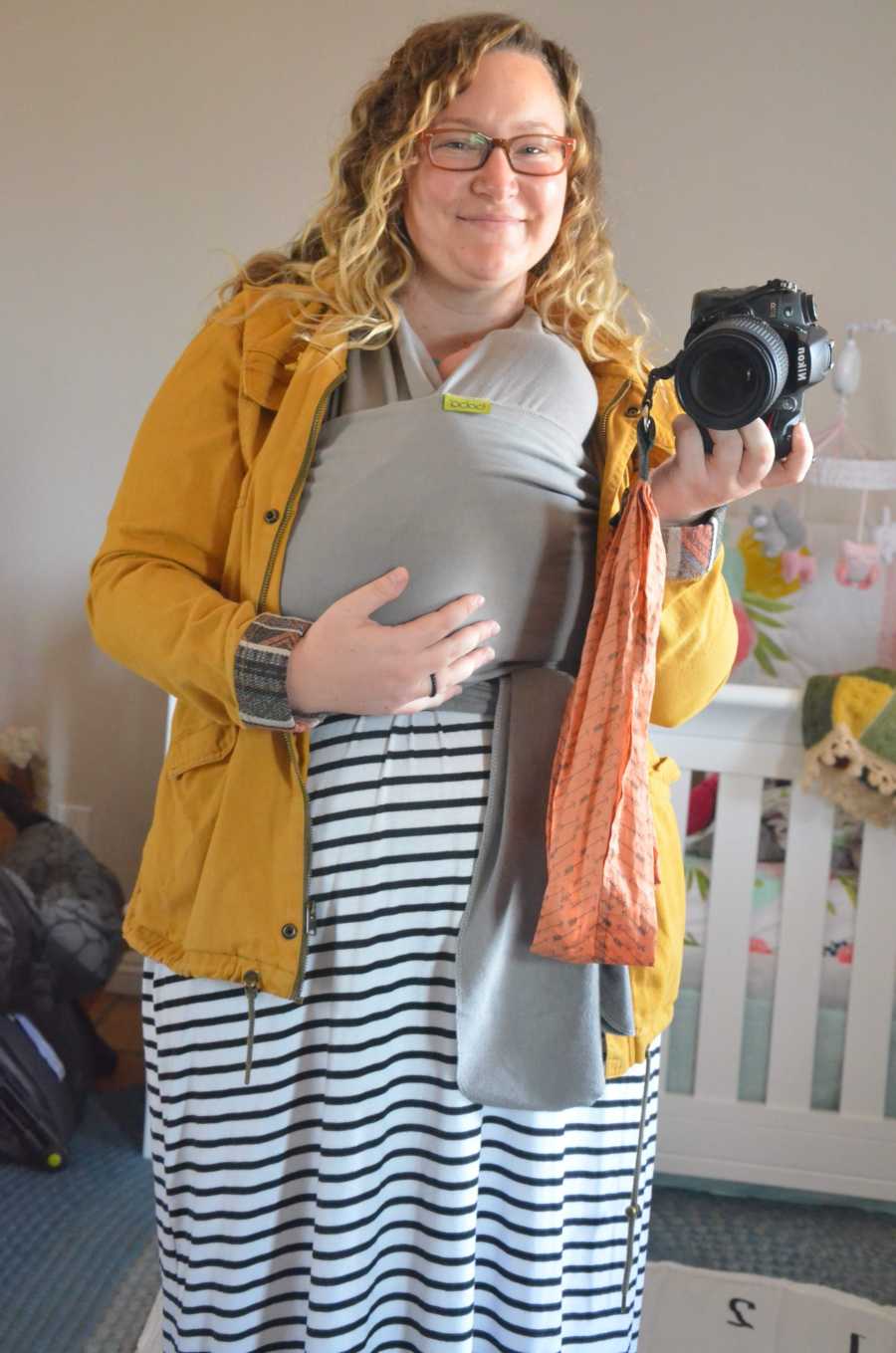
I began therapy and anti-depressants. My therapist helped me see that starvation was an attempt to reclaim control—but one that offered only short-term relief with long-term consequences. Together, we built new coping tools. I began to eat properly, regain strength, and lose weight at a healthy rate. I finally found the courage to remove my father’s toxic influence from my life, a source of pain even into adulthood.
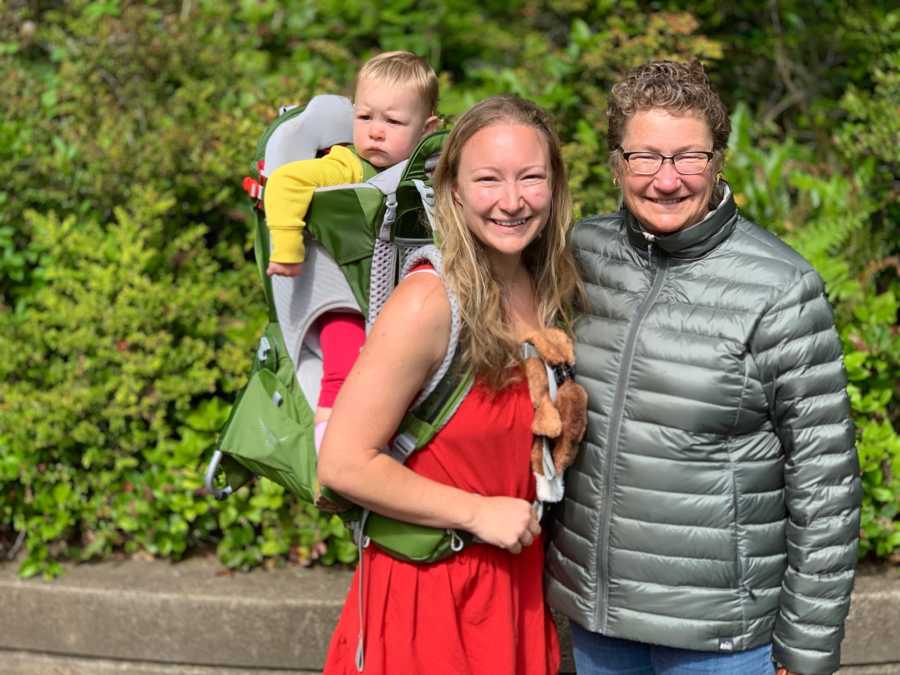
Now, I sit firmly within the healthy BMI range, maintaining it for six months. Old urges to starve or binge still surface, but I have learned to recognize them, trace them to stressors, and respond with healthier choices. I can see that the past decade of my life has been largely beautiful, despite the baggage, and I am proud of the strength and wisdom I have cultivated. I can finally enjoy my body, wear clothes I love, move with ease, and savor life with my family.
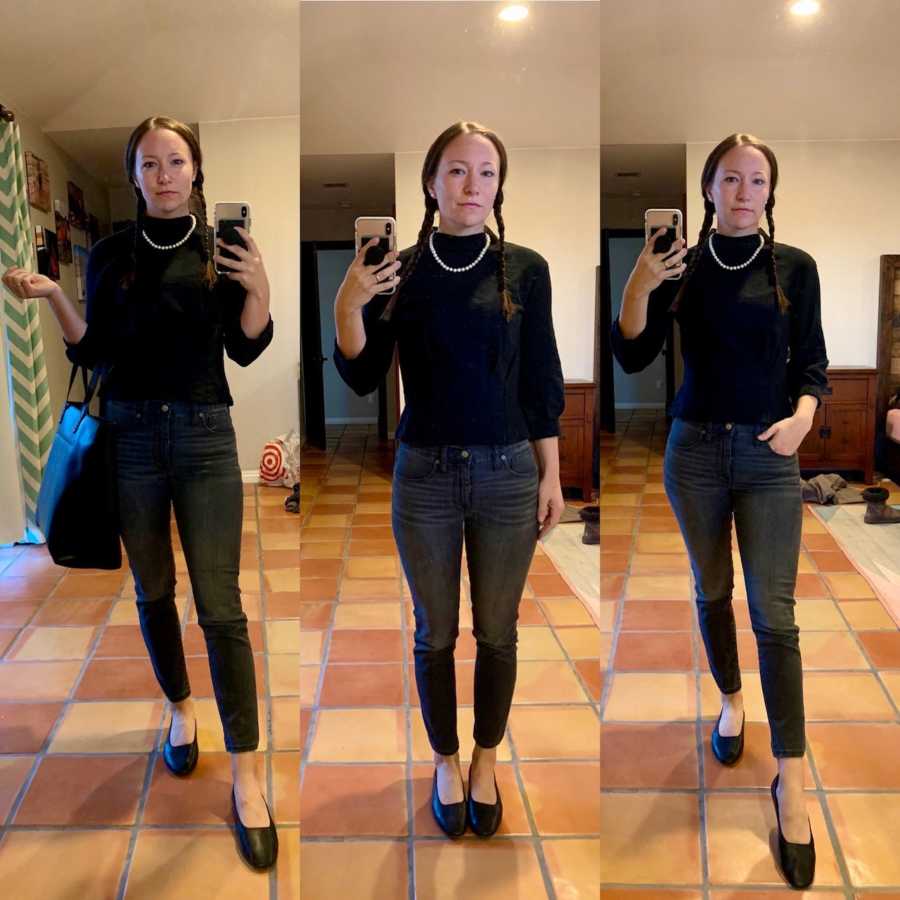
My brother once told me that my superpower was “to endure, to keep going even when things get really bad.” I’ve traded endurance for something greater: the power to actively change my circumstances and fully enjoy the life I’ve created with the people I love. I no longer have to survive—I can thrive.