Disclaimer: This story contains details of domestic abuse that may be upsetting to some.
As a television news anchor and reporter, I had covered countless stories about domestic violence, witnessing the pain and devastation it inflicted on victims and their families. I thought I understood the depth of its impact—but I never imagined that one day, my own life would be consumed by the heartbreak of a love gone wrong.
It all began years earlier in Memphis, Tennessee, when my aunt and uncle were visiting for a charitable event. They were invited to a local church, and I accompanied them. That visit introduced me to a seemingly kind, quiet man. We exchanged email addresses, and after a brief exchange, he revealed that he was divorced and the father of a six-month-old son. He was highly educated, with a doctoral degree, and worked in education.
Despite his accomplishments, I hesitated. Getting involved with someone recently divorced, who had a young child, seemed complicated. I was single, content with my career, and had no desire to pursue a romantic relationship at that time. Though he seemed like a “great catch,” I ended communication. In my mind, he wasn’t the one for me—but perhaps he would be perfect for someone else.

Four years later, on an otherwise ordinary Friday, I received a message from him, sent from his work email. It was a call for help for a woman and had been sent to a list of local leaders. As someone who loved helping others, I opened it—but unknowingly, it contained a virus. Minutes later, he sent a warning to everyone not to open it. I replied, too late. That exchange sparked hours of emails and phone conversations that lasted an entire day.
During those conversations, I learned he had accepted a job as a high school headmaster in Boston, Massachusetts. Though the distance was daunting, we both felt a spark of something profound. We decided to give the relationship a chance, communicating as much as possible. Over time, he revealed himself to be kind, caring, and deeply loving—not just to me but to his son as well.
Our love grew stronger despite the miles between us. I had made a personal vow to abstain from sexual relationships, focusing instead on my faith. He respected my commitment to God and wanted to share that journey with me. For seven months, we traveled every three weeks to see each other. Hours were spent laughing, talking, and simply being together—our bond deepened with every conversation.

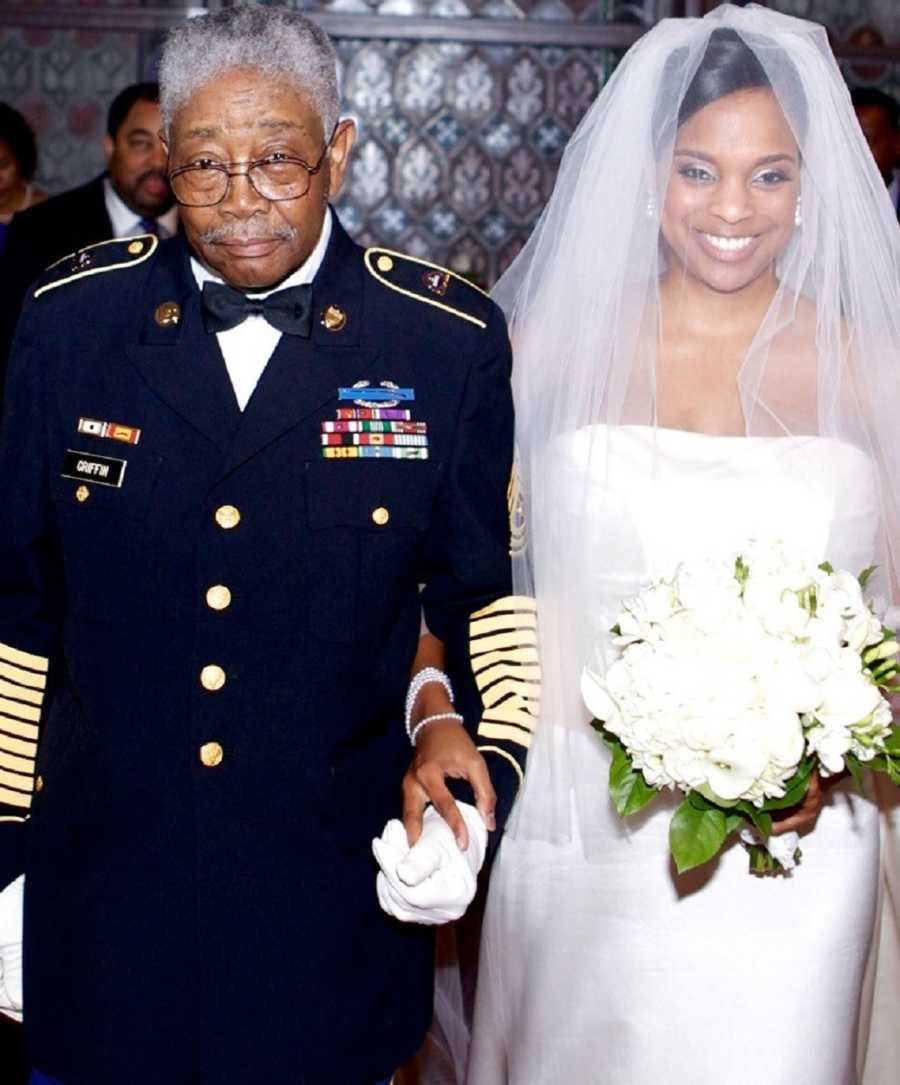
One cold January night in Boston, after an evening of ice skating, he proposed. It was beautiful, magical, and felt like a dream. Eight months later, we were married, ready to embark on what I thought would be a life filled with love and happiness. Like any couple, we had small disagreements, but nothing alarming—until the eve of our wedding.
I had ordered a replica of his cherished NCAA championship ring, which he had sold years earlier to pay divorce-related fees. I wanted to surprise him during the rehearsal dinner. But the ring hadn’t arrived on time. The rehearsal began without me. As rain poured outside, his calls became increasingly insistent: “You better get here now.” His tone shifted from concerned to forceful—he was irate in a way I had never heard before. Fear gripped me, tears streaming down my face. The man I had loved for so long suddenly seemed unrecognizable.
I hung up and called friends, declaring I would not go through with the wedding—but they reassured me that pre-wedding jitters were normal. Eventually, I went to the church, exchanged gifts in the car, and put on a brave face for the remaining guests. Yet a knot of unease lingered in my stomach.
Three weeks later, we were pregnant. He had wanted to start our family immediately, while I had hoped to wait. But his faith and confidence in God’s timing proved prophetic. Excited and full of hope, I packed my life and moved to Boston. Yet less than a month after arriving, our first real marital conflict erupted.
It was no ordinary quarrel. He called me degrading names, shouted, and physically intimidated me. Fear washed over me like waves. I retreated to our bedroom, packed my belongings, and called his pastor for guidance, only to be told that first-year struggles were normal. Despite the fear, I returned home, hoping to make our marriage work. But this cycle of intimidation, verbal abuse, and control only intensified.
Over time, his controlling behavior became more apparent. I could not leave the apartment without him, keys would “disappear,” and visitors could not enter without his knowledge. Our home, once a place of love, began to feel like a prison. I became the “peacekeeper,” walking on eggshells to avoid conflict.
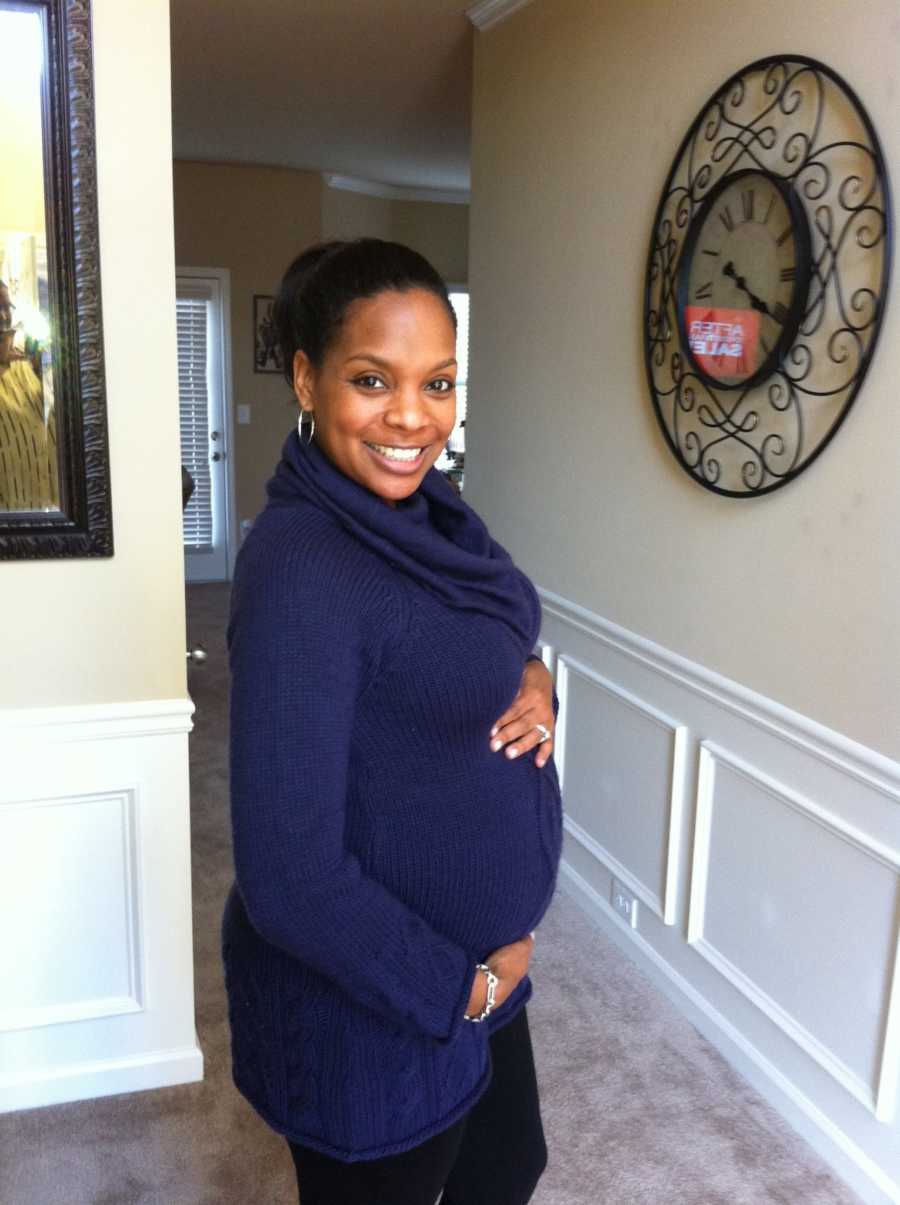
During the seventh month of pregnancy, a disagreement about my baby shower escalated into physical intimidation. I curled into a fetal position, cradling my stomach, whispering to my unborn child that I would protect him. With guidance from my cousin and friends, I escaped to a friend’s apartment, unsure of what the future held. Yet, like many victims, I returned—hoping, praying, believing our marriage could still survive.
The months passed, filled with anticipation of our son’s arrival in May. But just five weeks after he was born, the abuse escalated. My husband’s rage became physical. He shoved me into the kitchen, pulled me into his arms, and threatened my life. Fear consumed me—but through prayer and an instinctive will to survive, I found the strength to fight back just enough to escape.
Police arrived after a neighbor heard my cries. He was arrested and charged with assault. My sister and mother flew in from Georgia, and together, we escaped back to safety. Yet the emotional abuse continued, compounded by his infidelity and refusal to support or see our child. Ultimately, he voluntarily terminated his parental rights, leaving me to raise our son alone, without financial support, while he flaunted a new relationship on social media.
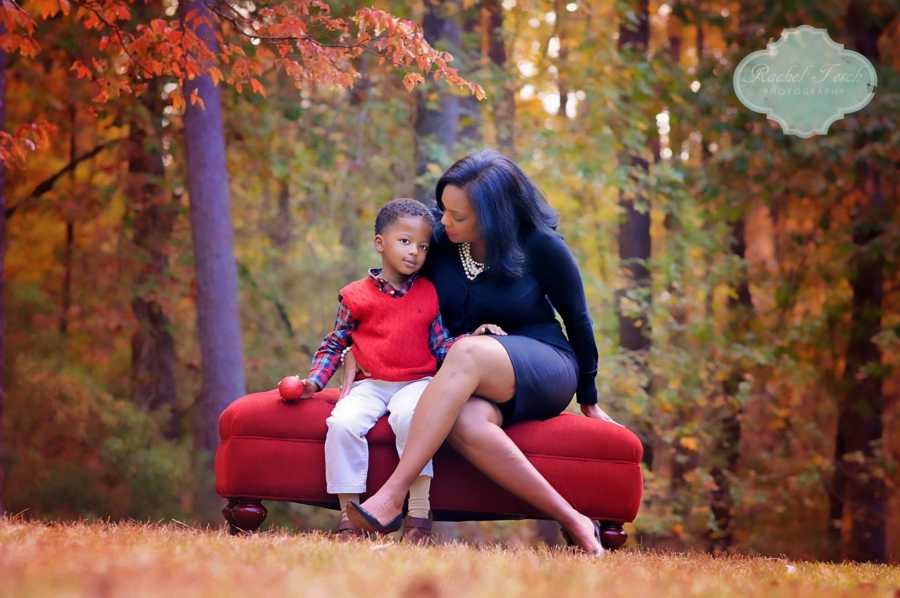
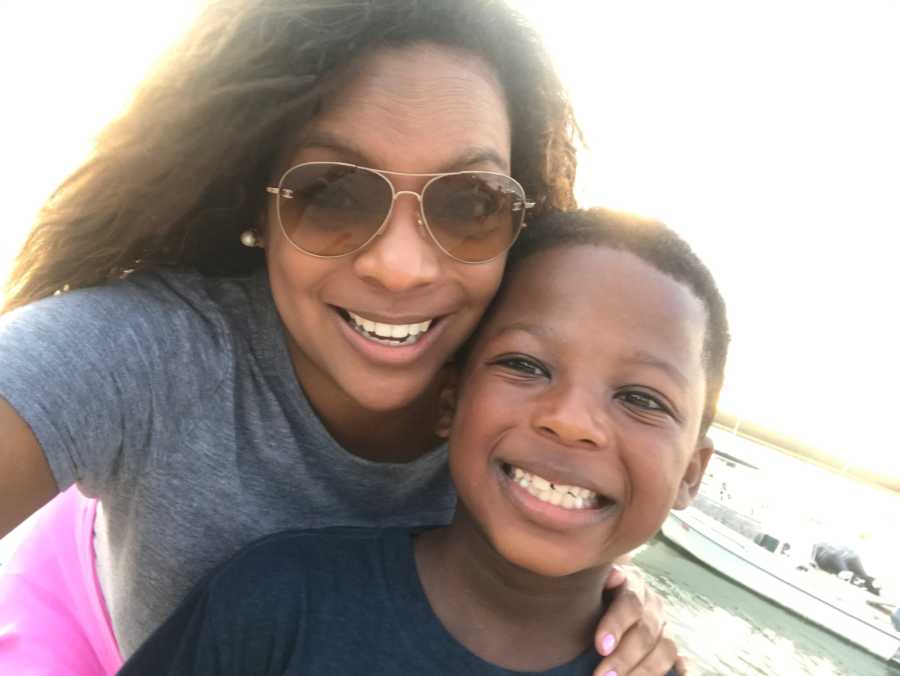
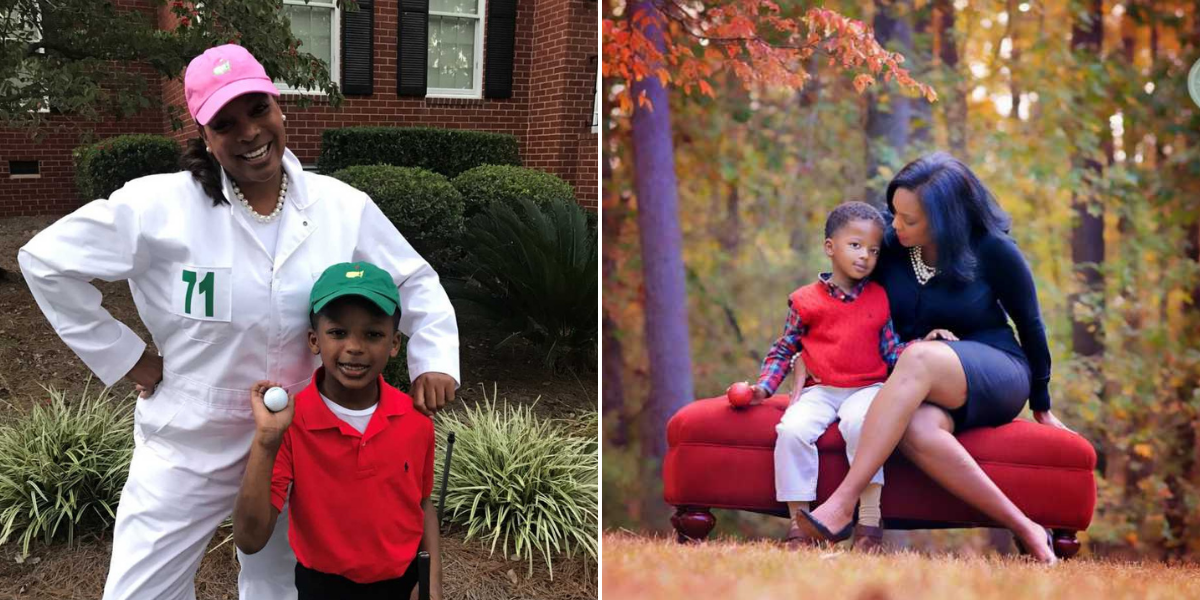
The grief was overwhelming, but over time, I reclaimed my life. Today, I am able to live in peace, raise my wonderful little boy, and use my platform as a journalist to transform pain into purpose—helping others survive abuse and find their own strength.