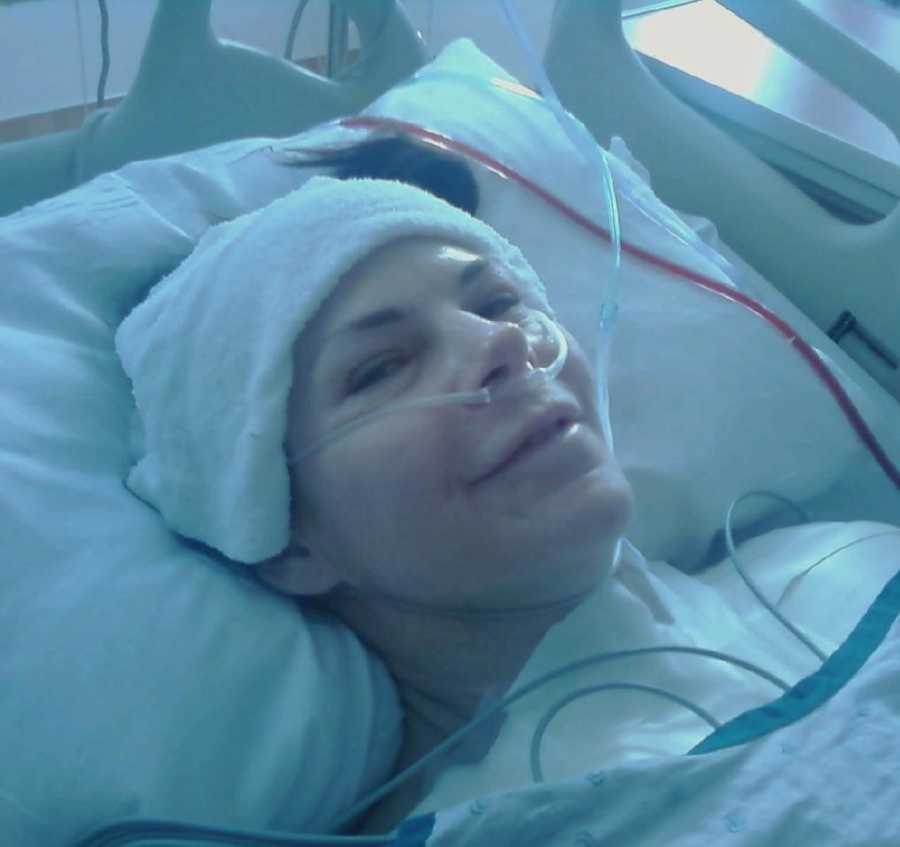
Tears of gratitude welled in my eyes, still heavy from anesthesia, as I felt a gentle kiss on my forehead from the heart surgeon who, with less than 90 seconds to spare, had saved my life during an unplanned, emergency open-heart surgery.
“I’m so glad you’re still with us,” my cardiovascular surgeon whispered at my bedside, his words steady but full of emotion, as I slowly recovered from the procedure that had nearly claimed my life.
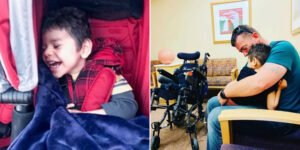
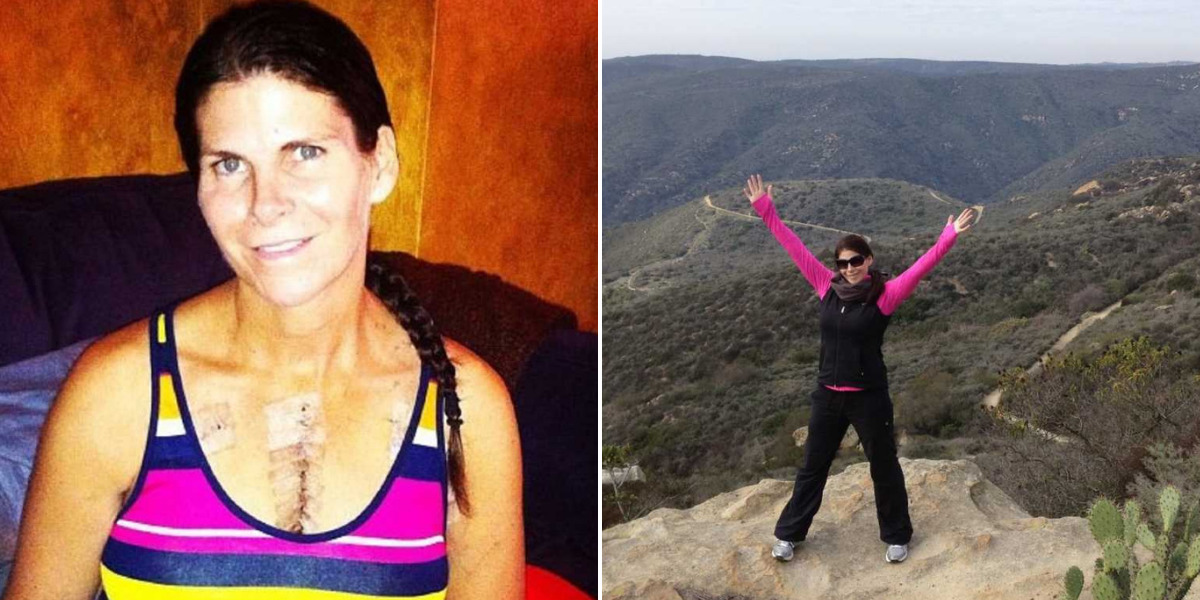
The defibrillator implanted in my chest was a decade old, its wires fractured, listed on a manufacturer’s recall, and in urgent need of removal. In the middle of this high-risk operation, a vein ruptured in a nearly inaccessible area. As my blood pressure plummeted, my surgeon made a split-second decision: he opened my chest cavity and swiftly sutured the vein. It was 2012. In that moment, I transitioned from being a “Death Cheater” to someone who had a renewed chance at life—but my journey had begun long before that day.
The deadly genetic heart disease, Hypertrophic Cardiomyopathy (HCM), had haunted my family for generations, claiming six lives, including my father’s. He had received a heart transplant in 1995, which extended his life for ten years, before complications ultimately took him. After his passing, my cousin Desire underwent a heart transplant in 2011. Altogether, nine of us inherited HCM. While we mourned six losses, three of us survived, thanks to the incredible advances in cardiac medicine.
During my father’s life, I often expressed my frustration at the unpredictability of HCM, the helplessness I felt watching family members live in fear, grief, or rehabilitation, and the survivor’s guilt that weighed heavily on me. My father’s response was both simple and profound: he encouraged me to become an advocate, to create a community program aimed at early detection of cardiac risks, and to help save lives. I embraced his vision, and in 1999, my community cardiac screening efforts began.
Years earlier, a phone call changed my life. “Holly, are you sitting down?” said the familiar voice of a world-renowned cardiologist who had been following my family’s heart journey since I was nine. “Your genetic test results came back positive for the mutation. You’re at risk for sudden cardiac death.” I was shocked and overwhelmed with fear. Within three months, I underwent implantation of an Implantable Cardioverter Defibrillator (ICD). It was 2002. While building my screening program, I had now become the ninth family member diagnosed with HCM. Though I dreaded slowing down, I knew the surgery was necessary and hoped to recover quickly.
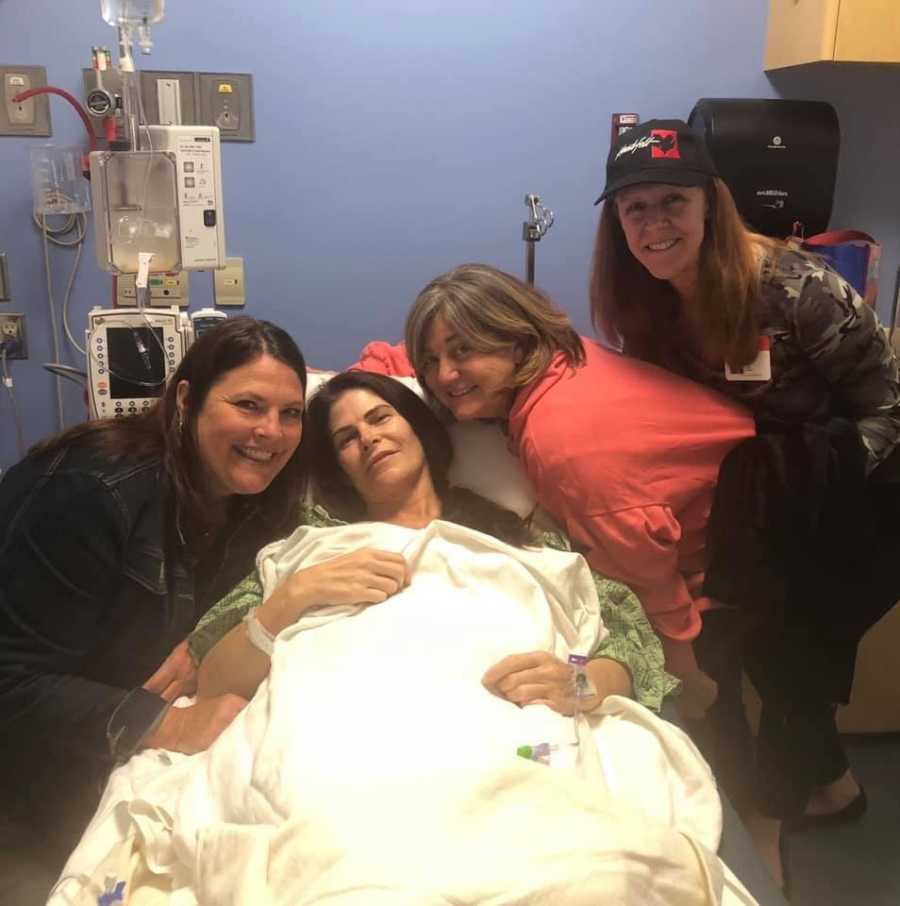
But the procedure did not go smoothly. Immediately afterward, I experienced excruciating pain—the worst I had ever felt. My left arm lost function, and for nearly 11 months, I begged for help. It wasn’t until months later that it was discovered the ICD had been incorrectly placed, requiring another surgery. During that time, despair nearly consumed me; I remember telling my new cardiologist that “sudden cardiac death sounded really good” if it meant relief from the pain. Yet, through his guidance and a trusted cardiovascular surgeon, my second ICD surgery in 2003 went successfully. Within six weeks, the pain was gone, and I was back to my work, screening hearts and saving lives.
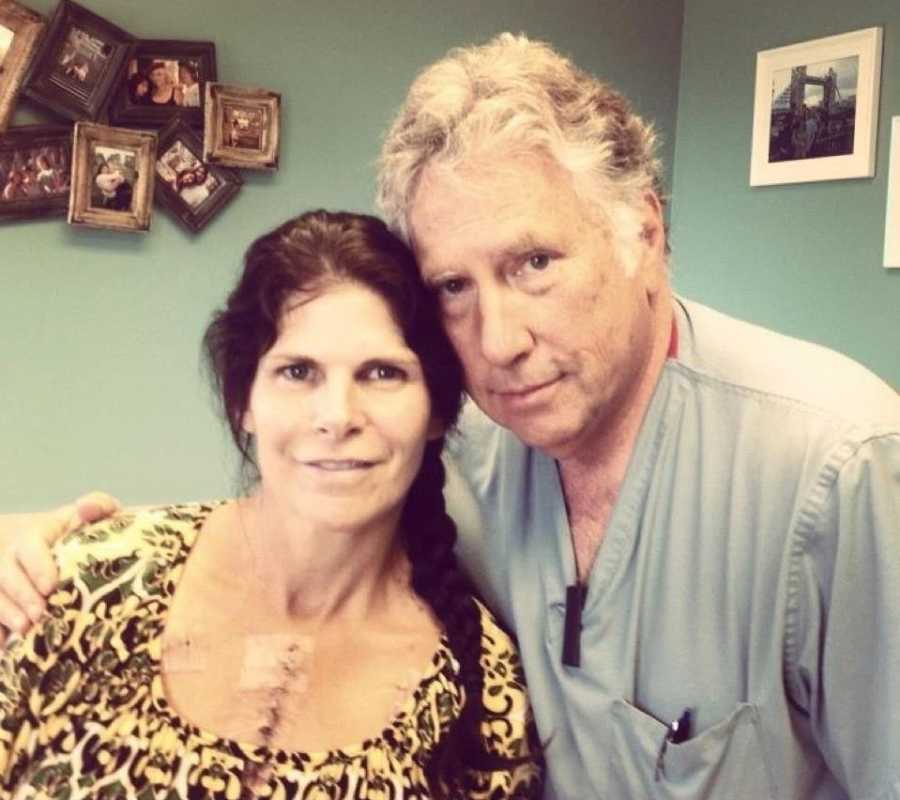
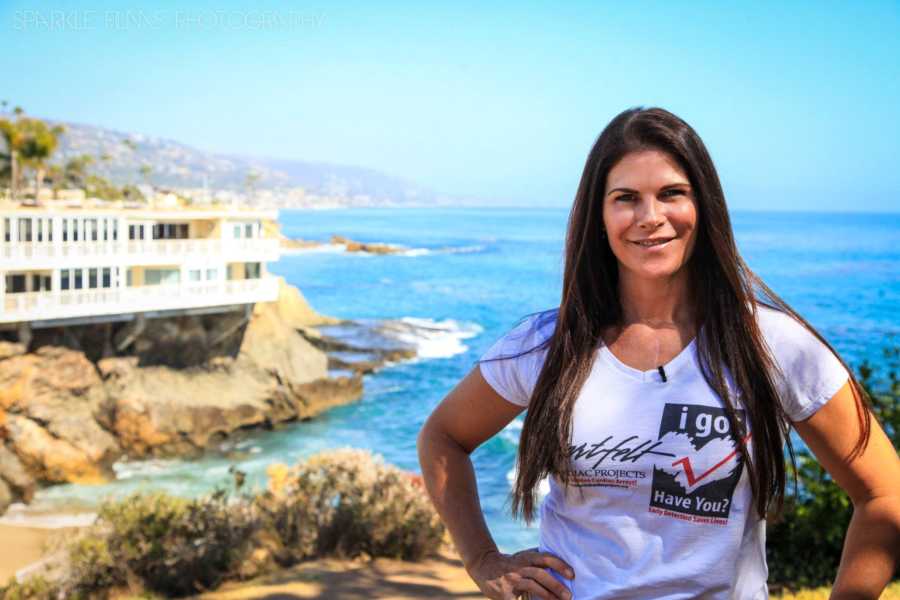
As my health stabilized, my commitment to Heartfelt, my nonprofit organization, deepened. I shared my story widely, educating communities and raising awareness about HCM. Despite ICD recalls, fractured wires, and multiple subsequent surgeries, I persevered until 2012, when the emergency open-heart surgery became a defining, life-changing moment.
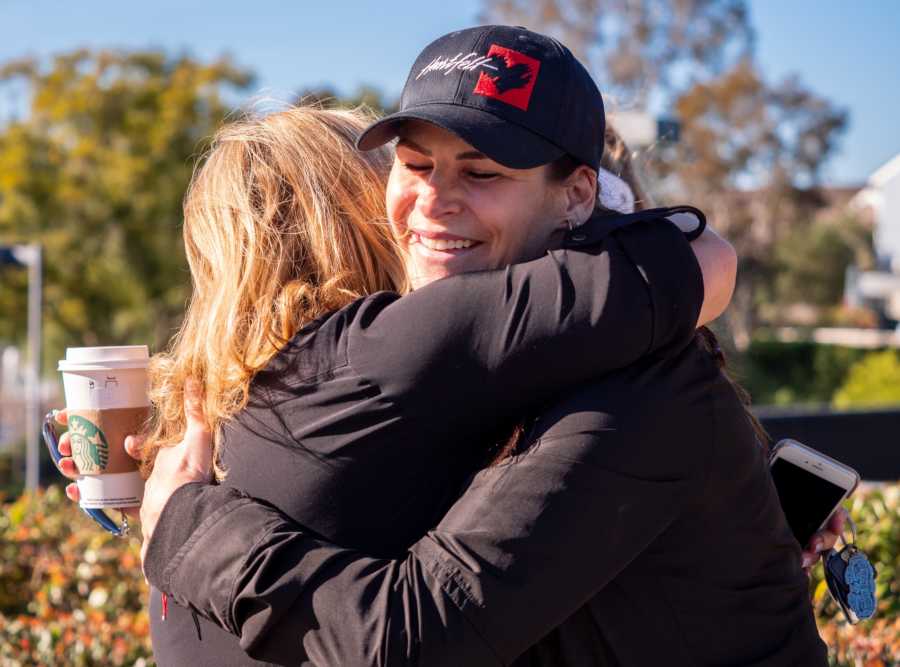
Recovering from that surgery was arduous. For months, I was largely bedridden and missed several Heartfelt screening events for the first time. When I returned, I experienced a moment I will never forget: four children, whose lives had been saved through Heartfelt screenings, attended with their parents to offer thanks and encouragement. Weak and fragile, I was overwhelmed with joy and gratitude as I hugged them, unable to hold back tears. One parent, recalling that her child had been saved in the same gym just a year earlier, pulled me aside and said, “You must fight on, Holly. Get strong, and continue your life-saving work. You are a heart warrior princess.” Their words reaffirmed my purpose.
Seven years passed surgery-free, but in 2019, my ICD dislodged from its pocket and lodged against my clavicle, causing excruciating pain and loss of arm function. I underwent yet another revision in April, recovering quickly and fully.
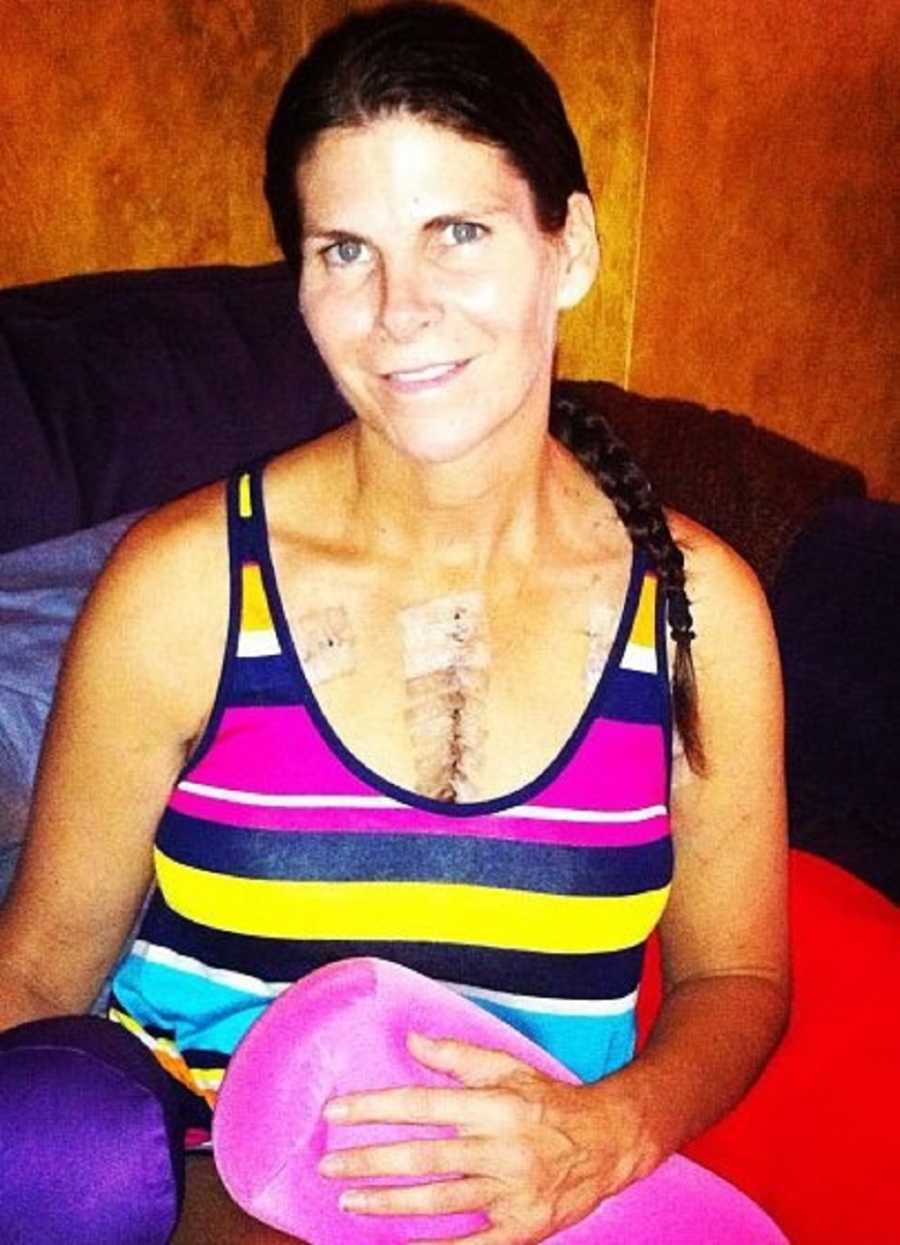
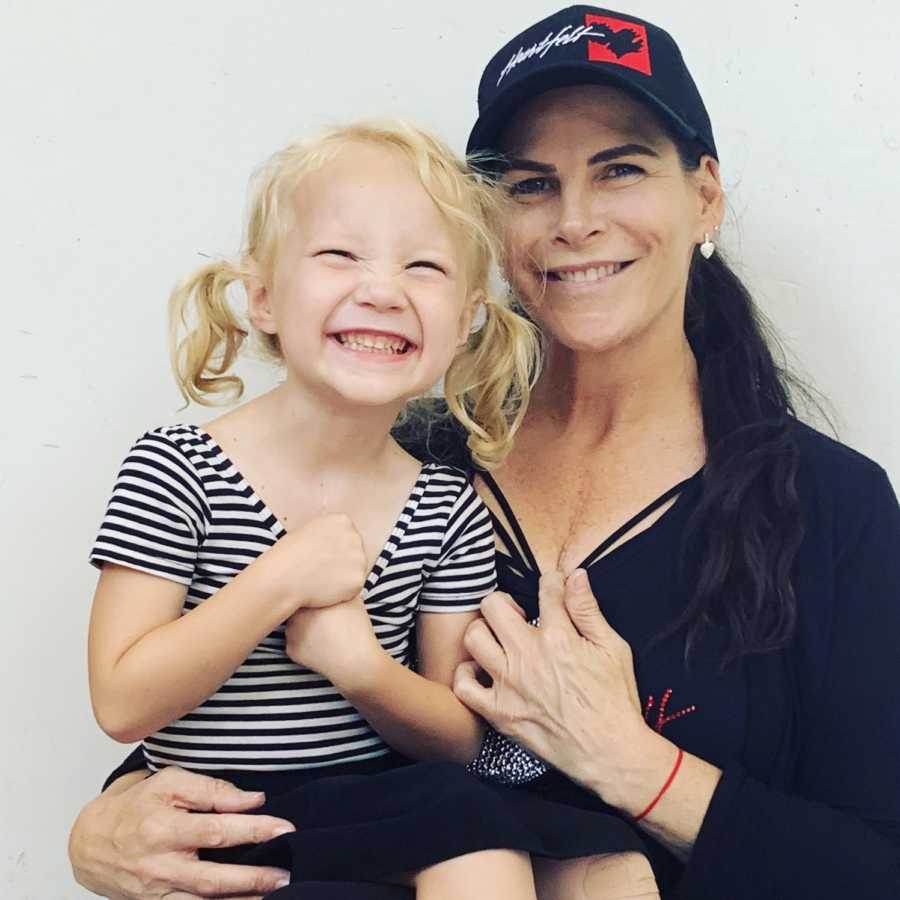
Looking back, it is astounding that over 20 years, I have overseen community cardiac screenings for more than 50,000 people. I now understand that my life was spared so that I could save others. Finding purpose is one of life’s greatest challenges, and I have been blessed to discover mine. Every day, my work with Heartfelt feels like a privilege.
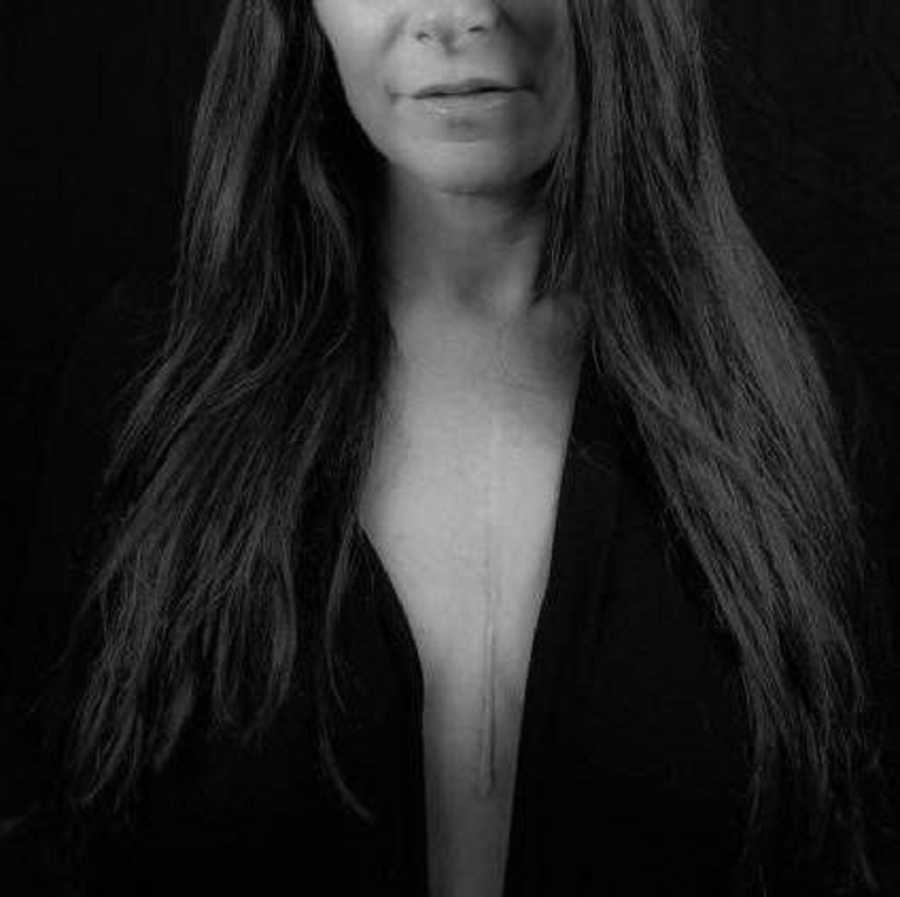
Hearing a parent say, “Thank you for your dedication—you saved my child’s life,” fills me with indescribable pride and gratitude. This is why I named my nonprofit Heartfelt: because every day, every heart, every life, is genuinely heartfelt.