I was arrested just ten days after leaving my second rehab—charged with a DUI and child endangerment because my 4-year-old daughter, Rebecca, was in the car with me. I had picked her up from preschool in a blackout, pulled over along the side of the road to “rest,” and woke up to the sound of officers knocking on my window, with Rebecca screaming in the back seat. That morning, while running errands alone, I had stopped at a grocery store without thinking, bought wine, and drank it in my car before my brain could process what I was even doing. That one drink—just one—was enough to ignite a craving I couldn’t control.
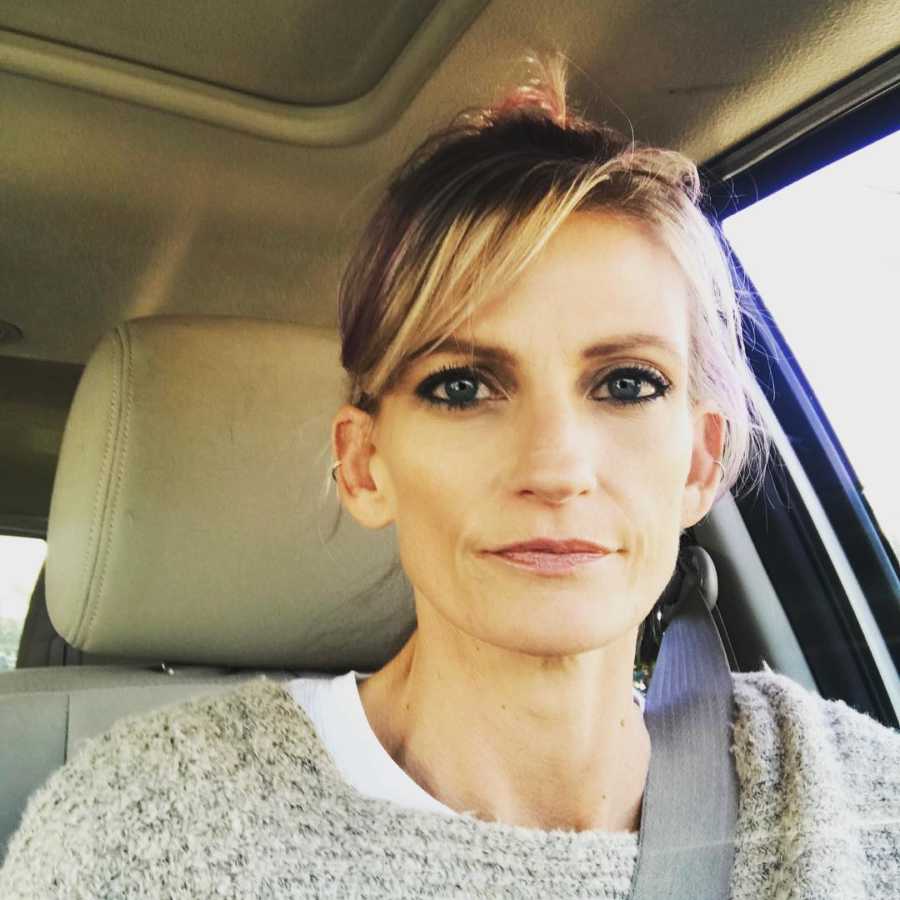
Back at home, thankfully, a babysitter was caring for my 4-month-old, my toddler, and my 6th-grade daughter. But in the jail cell, surrounded by strangers, I was alone with my shame. I tried to understand how I could have been so reckless, so careless, but the crushing weight of guilt only made me want alcohol more. That was the power of my alcoholic mind. My husband, Pete, was furious. He left me in jail overnight, and the consequences were severe: a suspended license for a year, strict probation, visits from child protective services, and daily breathalyzer tests by Pete, who also removed my access to money.
Looking back, I can’t say I’m completely shocked that I drank that day. I was overwhelmed the minute I left rehab, but I refused to admit it to myself. The days that followed were isolating—judgmental looks from preschool moms who silently decided I was unworthy, social invitations disappeared, and even playdates ceased. These were the same women who had cooked dinners for my family while I was gone, but their support felt conditional, like it was for them rather than for me. Meanwhile, I came home to a newborn I barely knew—the pregnancy I had discovered in detox—and the reason I had dragged a breast pump with me to rehab. I had four children, a husband who had missed me desperately, and the heavy expectations of my rehab team, and I was trying to manage it all alone.
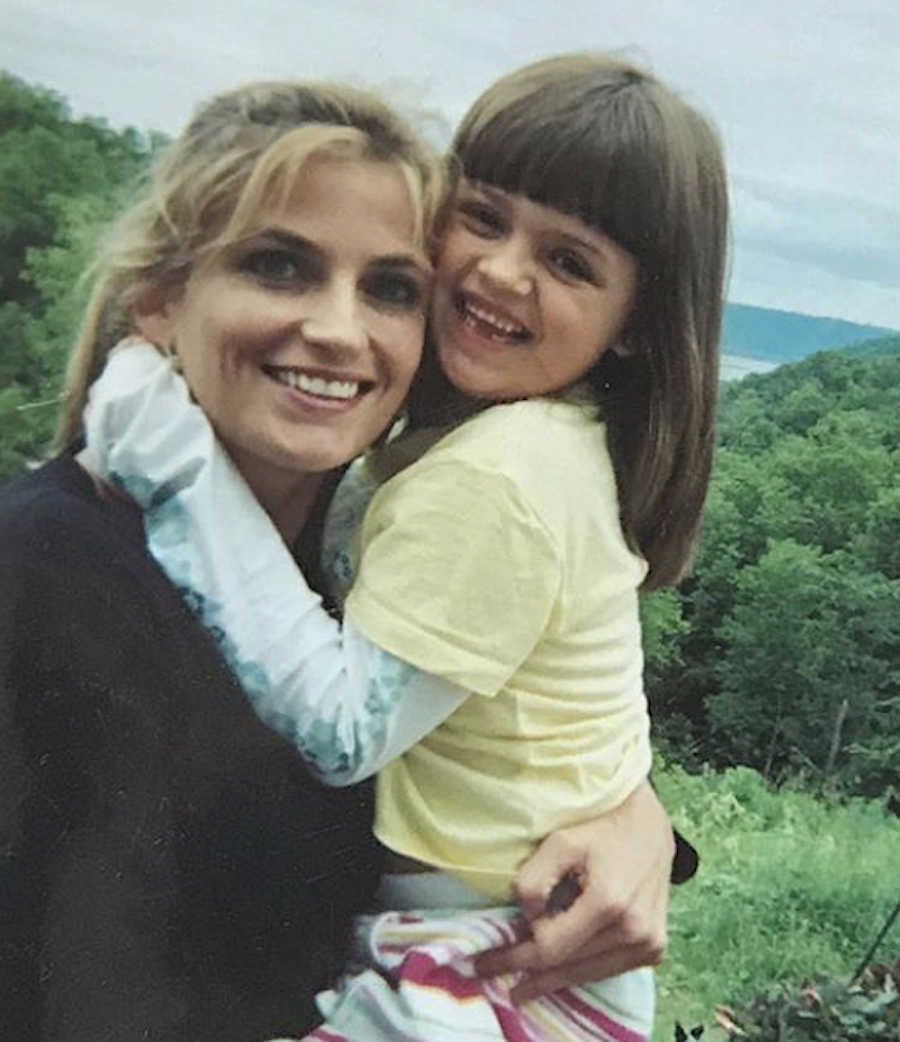
My journey into secret alcoholism began long before “wine mom culture” or social media. It traces back to my childhood, which was turbulent with alcoholic parents. My father’s rages were unpredictable, my mother drank to cope, and I learned to tiptoe around danger. One vivid memory: trying to waterski behind our old, second-hand boat, my father’s anger boiled over, and he left me stranded in the middle of the lake to swim back to shore. By the time I was 23, I had endured sexual abuse, multiple treatments for depression and an eating disorder, lost friendships and jobs, and faced pregnancy alone.
In August 2002, things changed. I found love and married Pete, who I met in recovery while balancing motherhood and sobriety. Although I experienced a few slips, he never gave up on me. Over the next seven years, we had two more children, and eventually relocated across the country for Pete’s job. At that time, I had four and a half years of sobriety.
But motherhood can be isolating, especially in a new place. One day, alone in my car, the thought crept in: “I don’t want to feel like this. It’s too much. I wish I could just turn everything off for a few minutes.” And just like that, alcohol whispered its promise. I bought a four-pack of mini wine bottles, drank two before even getting home, intending to throw the rest away, thinking it was just a break. But alcohol had once again become my pain reliever.
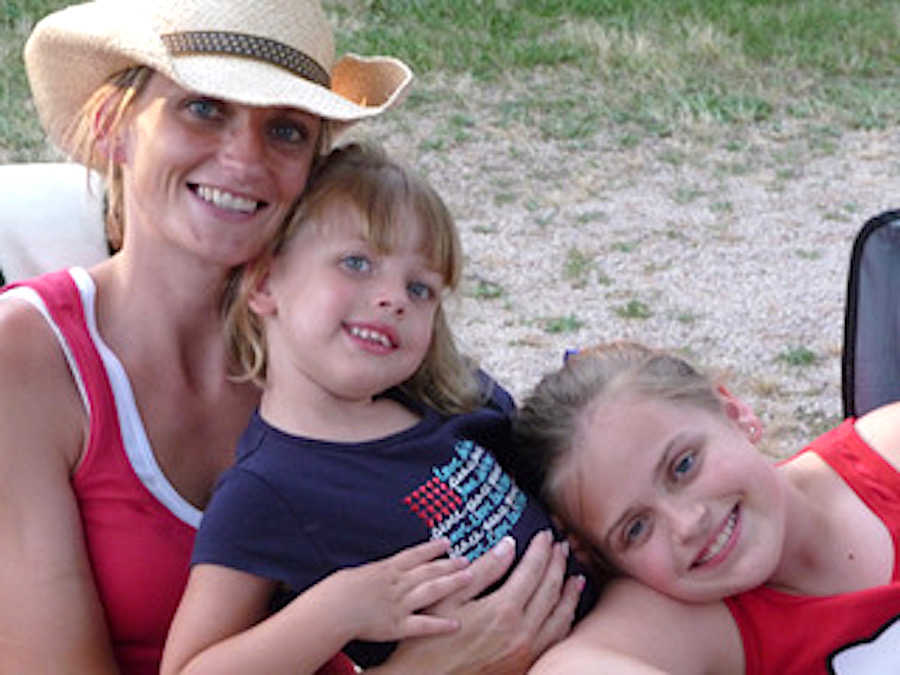
Alcoholism is a master of deception. Within a week, I was hiding bottles and drinking in secret. I maintained appearances flawlessly—playing with my kids, running errands, making dinner on time—while keeping my tolerance at a level that wouldn’t alert my husband. Sometimes, though, I failed. Pete and my oldest, Shelby, grew suspicious. Eventually, he discovered empties under the garage stairs. “Emily,” he said, horrified, “you’ve got to stop. You need help.”
I didn’t want to face it. I wanted desperately to be the “good mom” everyone expected. Instead, addiction took over. I drank to quiet the shaking, to start my day, to survive the night. On the outside, I was the frazzled, attentive mom. Inside, I was crumbling.
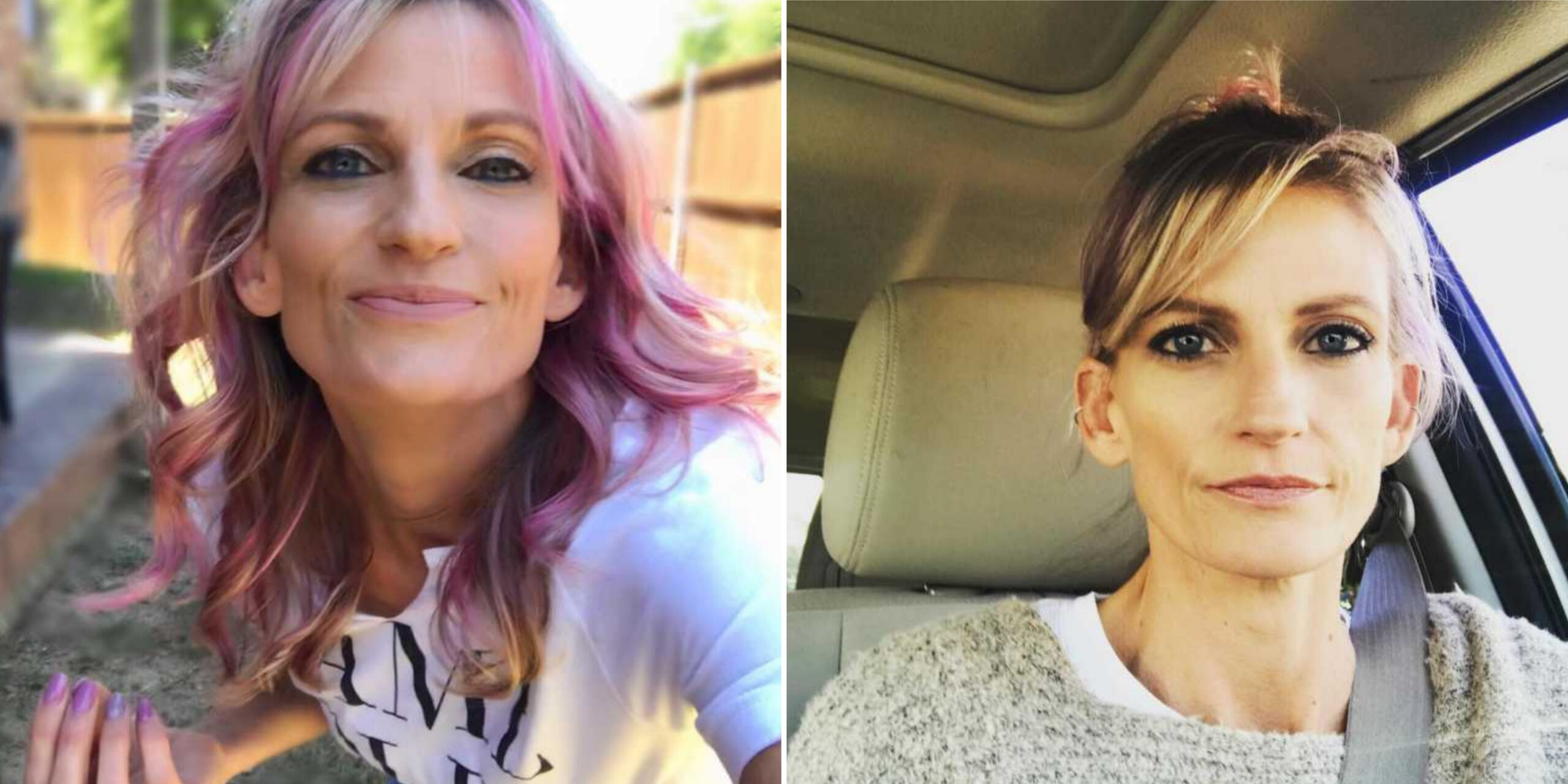
Over six years, I cycled through six inpatient rehabs, outpatient programs, detox centers, psychiatric hospitals, jail, and emergency rooms—over 20 institutionalizations in total. Alcohol had such a grip on my body that withdrawal was terrifying. I remember waking in the night, convinced a radio was playing somewhere in the house, only to realize the sounds were coming from the walls. This delirium, among countless other symptoms, kept me seeking detox repeatedly. I could stay sober for months, even a year, but eventually, the drinking became uncontrollable again.
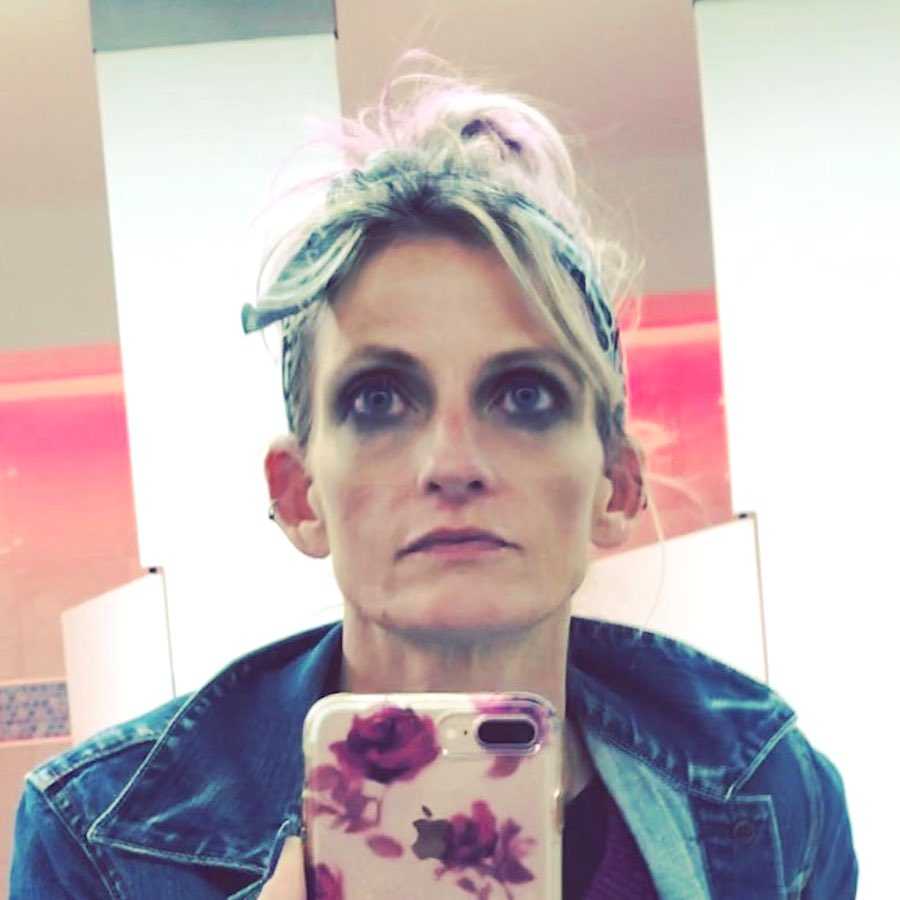
In 2016, something shifted. Sitting on my back porch, I realized my fourth child was about to start kindergarten, and my oldest was heading into her senior year. Time and chances were slipping away. My last drink was on my children’s first day of school. That day, I left for my seventh rehab, and I have not had a drink since. The transformation wasn’t magic. I had to put sobriety first, trust in something greater than myself, and learn to forgive myself—an uncomfortable process for a mother carrying so much guilt and shame.
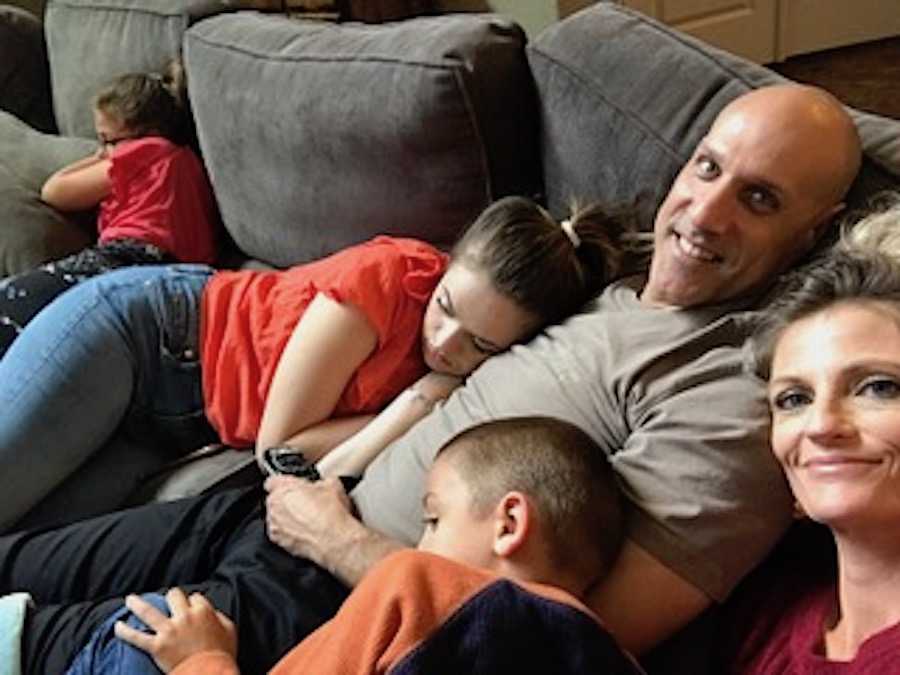
Over the following three years, my family healed alongside me. Trust and respect were rebuilt. My children thrived, my oldest daughter flourished in college, Pete and I stayed happily married. I became a writer, shared my story openly, and found purpose in helping other women. If I can recover, anyone can.
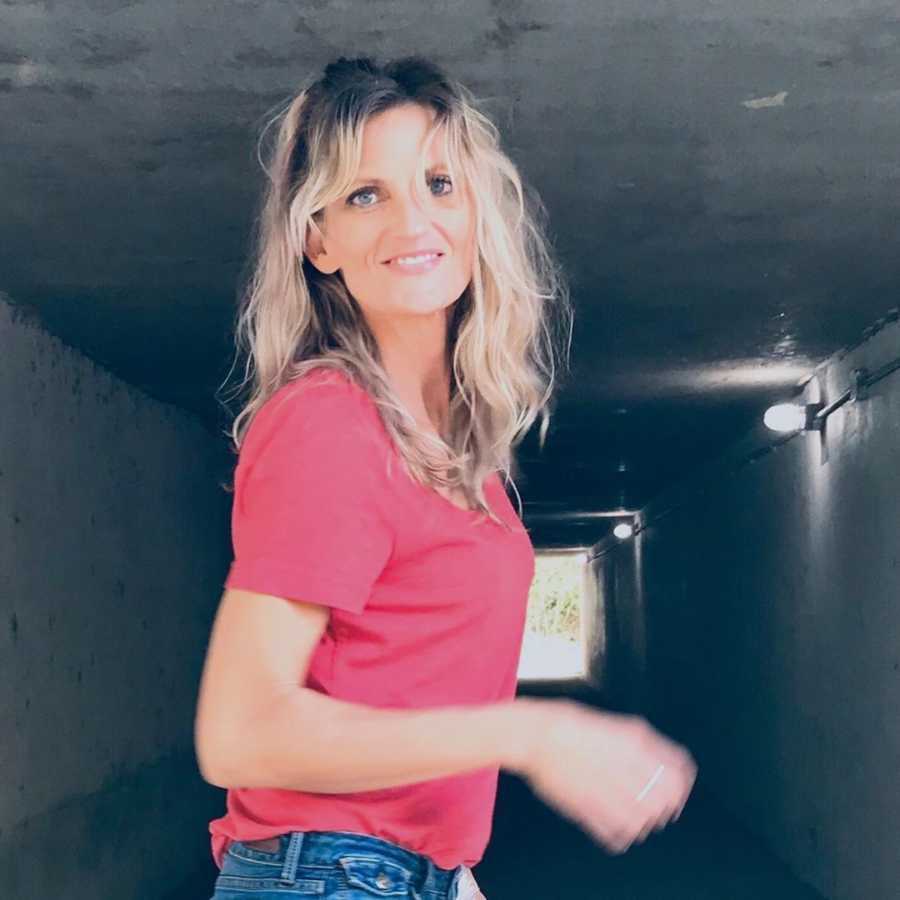
Sobriety has taught me invaluable lessons. For mothers struggling with alcohol: reach out. Others understand, support, and listen without judgment. Take it day by day. Work on yourself—every minute spent building your recovery is an act of love for your children. Forgive yourself. Own your story, and own your recovery. You are not alone.
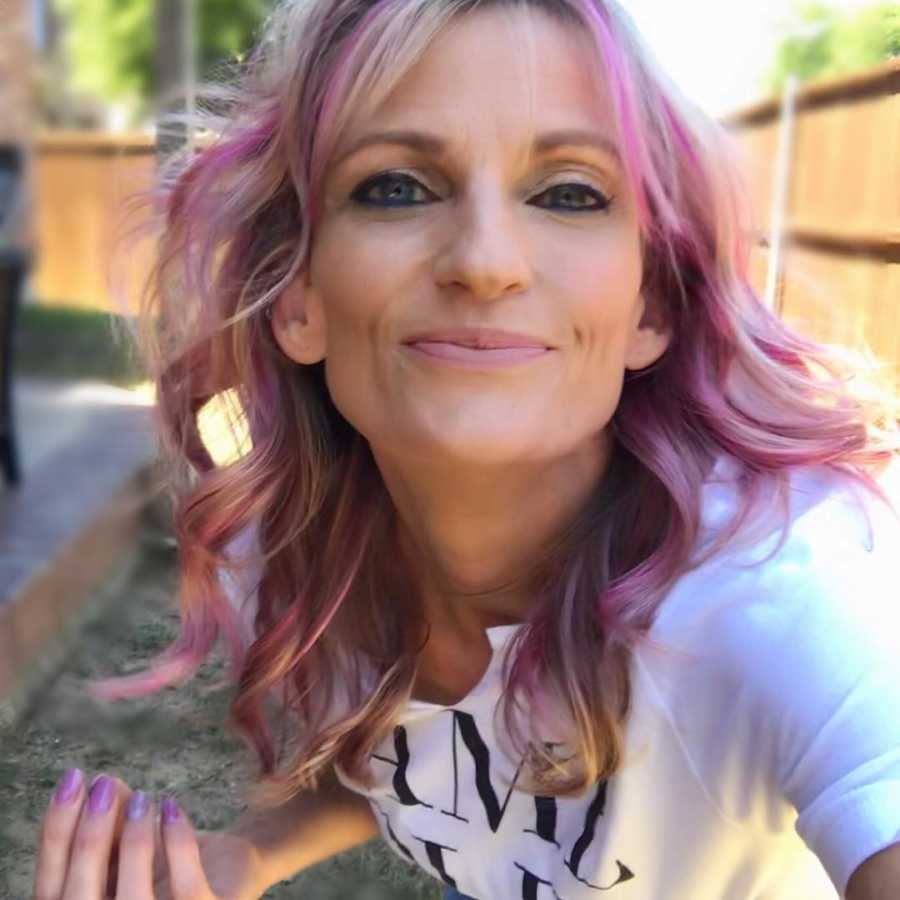
I’ve learned that the most powerful possessions are the hardest-earned: survival, honesty, and connection. Sharing my story allows other women to say, “Me too.” That’s my purpose now—to encourage, support, and remind others that hope, healing, and forgiveness are possible, no matter how far you’ve fallen.