I was 34 years old when I died. Not literally, of course—but in that moment, I faced my own mortality laughing at the absurdity of it all. I had plans, carefully mapped out, visions for the future that would now never happen. And yet, in that strange, darkly comic instant, I realized how small those plans were in the grand scheme of life. How silly I had been to think that what I wanted—even what I thought mattered most—could dictate life’s course.
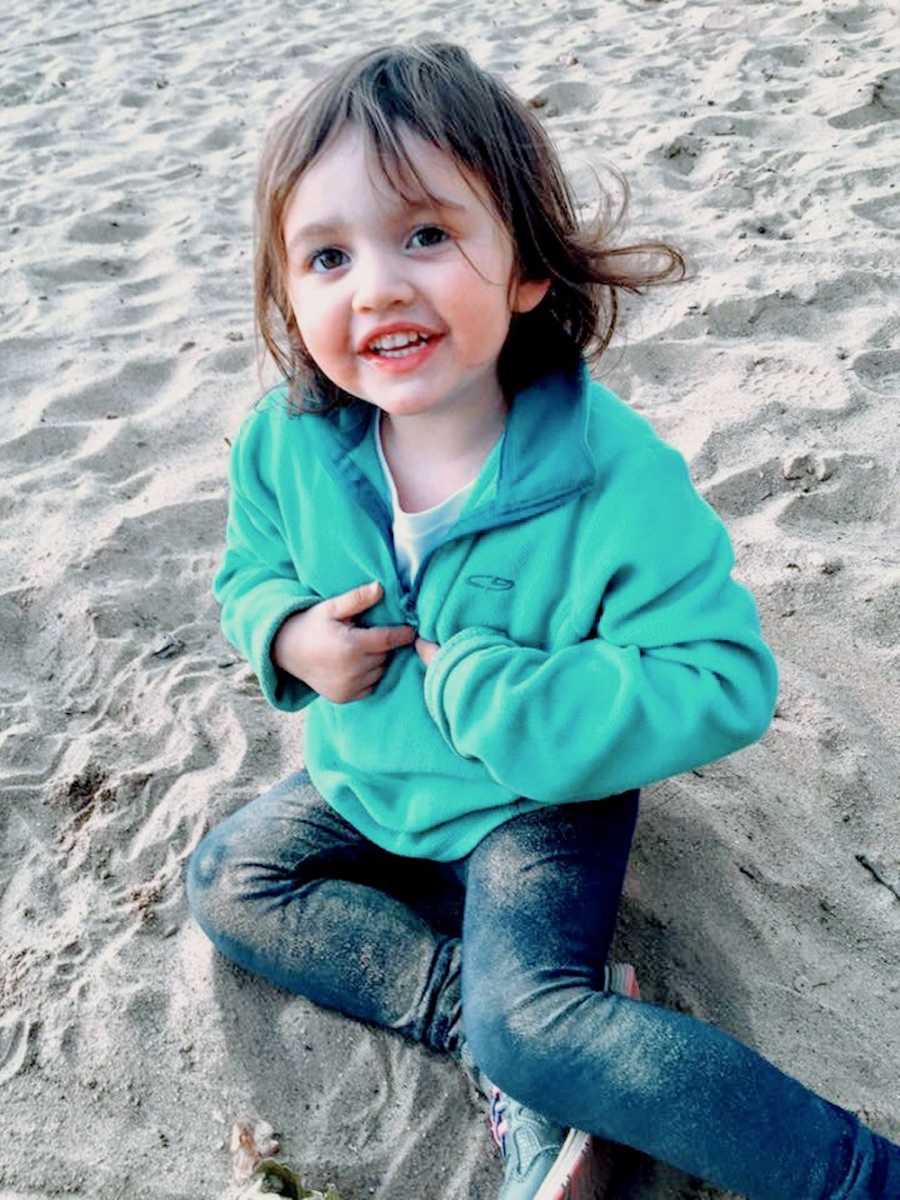
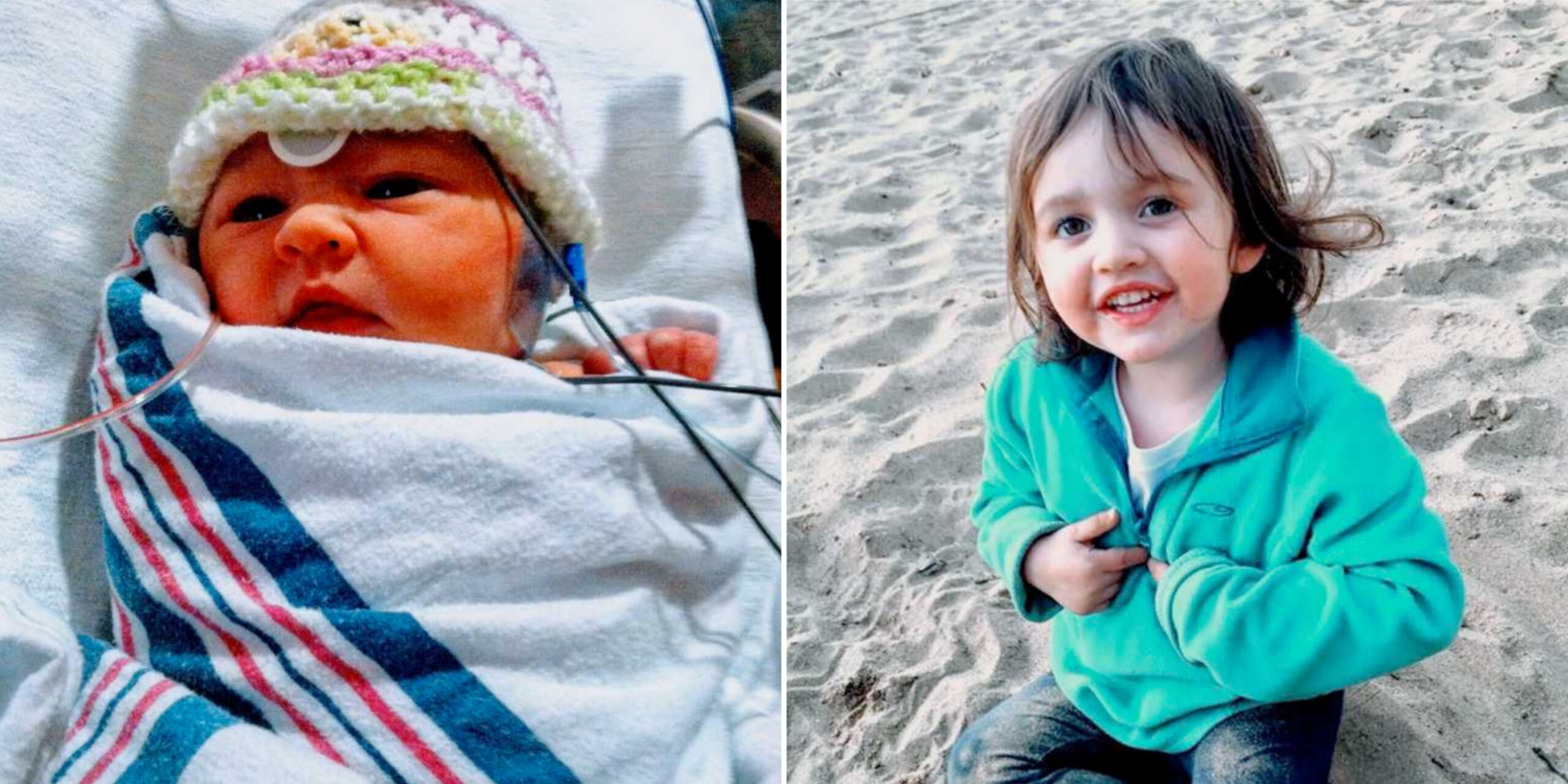
When my daughter Bitsy was born, she was perfect. She took far too long to arrive, which in retrospect should have been my first clue that she would live life entirely on her own terms. She was so late that I ran out of amniotic fluid and had to be induced. Forty grueling hours of Pitocin and morphine later, she finally arrived. Tiny and delicate, she barely opened her eyes and had no interest in anything but her own hands.
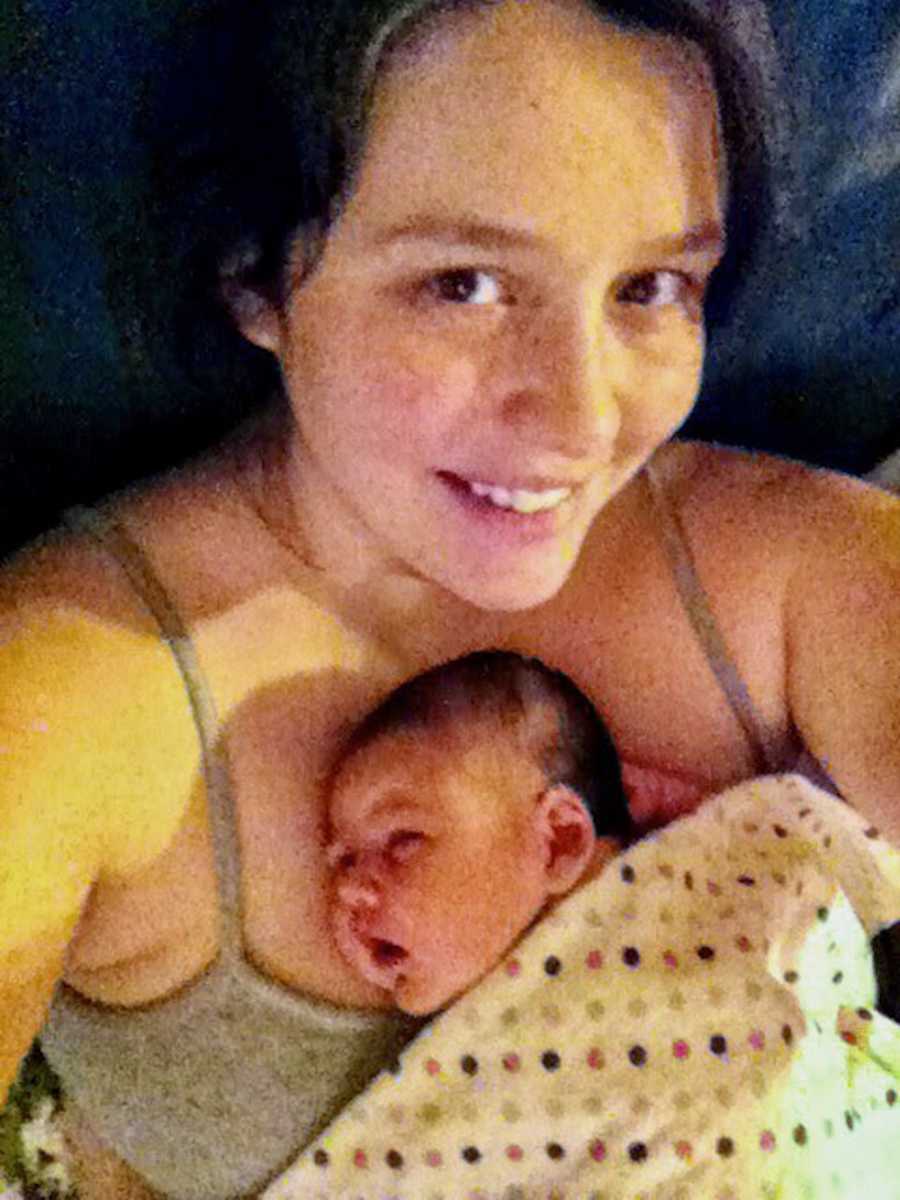
By the time she was two, Bitsy wasn’t speaking and didn’t behave like the other children her age. Concerned, we took her to a speech therapist. Friends and family insisted I was overreacting. “Every child is different,” they said. “Nothing is wrong.” But the therapist told a different story. Bitsy was profoundly delayed, and to help her properly, they wanted her in therapy five days a week—something we couldn’t afford. Instead, we found a local charity, Easter Seals, where she could attend twice weekly, supplemented with occupational therapy.
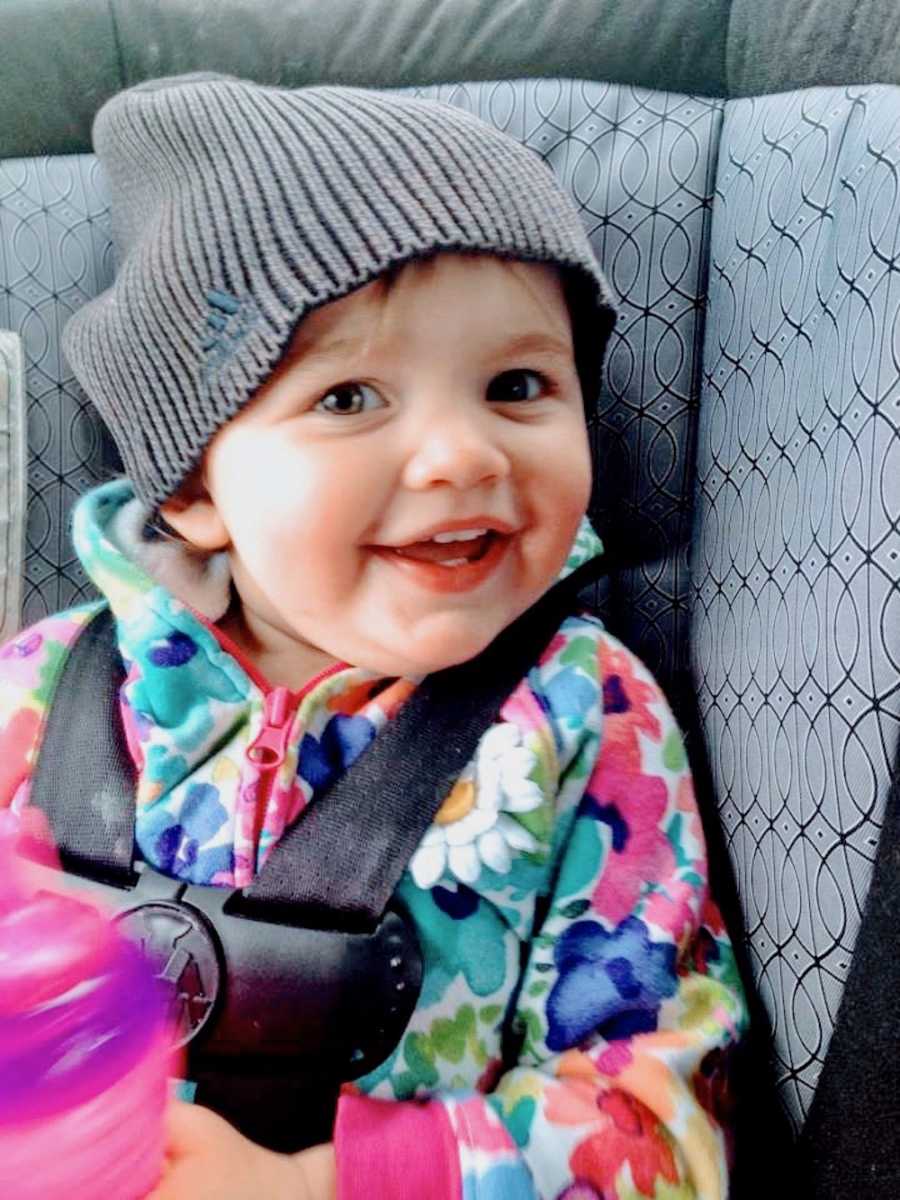
For two years, we watched her make almost no progress. Desperate, we enrolled her in an early intervention preschool. Everyone meant well, offering reassurance, but they were wrong. There was something seriously wrong with my child—we just didn’t yet know what.
One morning, I dropped Bitsy off at preschool and received a call from the school nurse. “Are you driving?” she asked. “You might want to pull over.” Ever cocky, I told her I had, but I kept driving. Then she said, “I think your daughter is having seizures. She might have epilepsy.” The words hit me like a brick. I pulled over immediately. “Excuse me?” I whispered. “You need to get her to a neurologist immediately,” she said. The rest of the morning is a blur. Calls, appointments, work, life—it all vanished from memory.
At the neurologist, a gentle, soft-spoken doctor ordered an EEG. Preparing for it meant waking Bitsy at 3 a.m. and keeping her awake until the procedure. In the hospital, as nurses attached electrodes to her head, she screamed in terror, thrashing in protest. Eventually, she slept, and the EEG captured her brain activity.
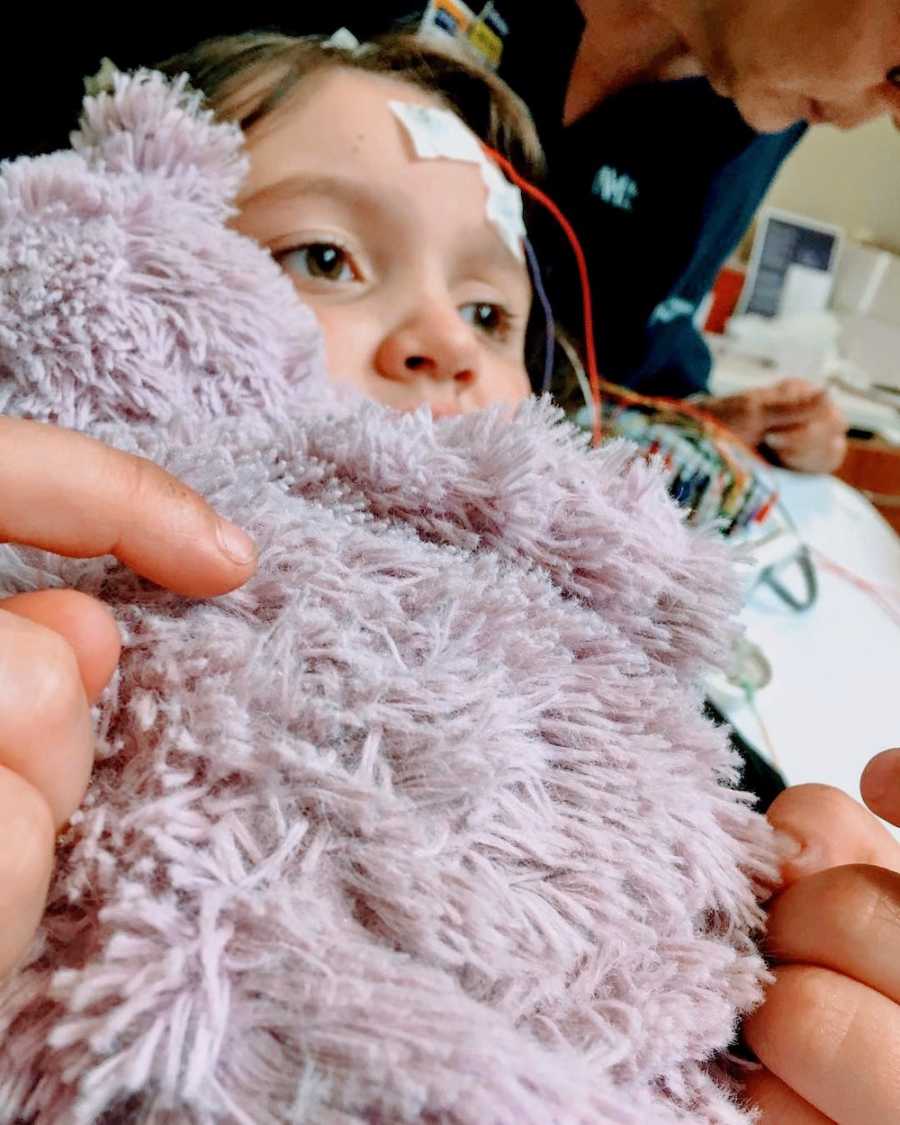
When the results came, the neurologist delivered the news quietly: Bitsy had epilepsy. She was experiencing hundreds of seizures an hour—blips in and out of consciousness so fast we had never noticed. My body gave way to loud, uncontrolled sobs. I couldn’t stop. The doctor explained we needed an MRI to rule out a brain tumor as the cause of her seizures. If she could leave the hospital after the MRI, it meant no tumor. If not, we were preparing for a long, uncertain fight. I went numb.
At home, I refused to research or mentally prepare for the MRI. One emergency counseling session later, I was instructed to write my own “worst-case scenario” speech—like Nixon’s pre-written address if the Apollo astronauts had perished on the moon. I cried while writing it, vomited into a garbage can, cleaned up, and returned to work. I do not recommend this coping method.
The MRI arrived. They sedated Bitsy while I waited outside, and in that sterile waiting room, I “died.” My plans for her life—college, summer trips to Europe, graduation gifts—suddenly felt meaningless. I had always been the planner, the woman with a schedule for everything, and now all of it had vanished. I laughed, uncontrollable and wheezing. No amount of planning could have prepared me for this. All the worry about vegetables in her diet or timeliness faded. The old me—the tightly wound, always-prepared me—was gone.
When the nurse brought us to Bitsy’s recovery room, I forgot to ask about the tumor. Seeing her, holding her tiny hand, smelling her hair—I was overcome with joy. The MRI showed no tumor. We were allowed to go home that day. I floated out of the hospital, giddy with relief, like a weight had lifted. We went out for pancakes and strawberry crepes, and I realized something profound: the new me was alive, the old me was gone.
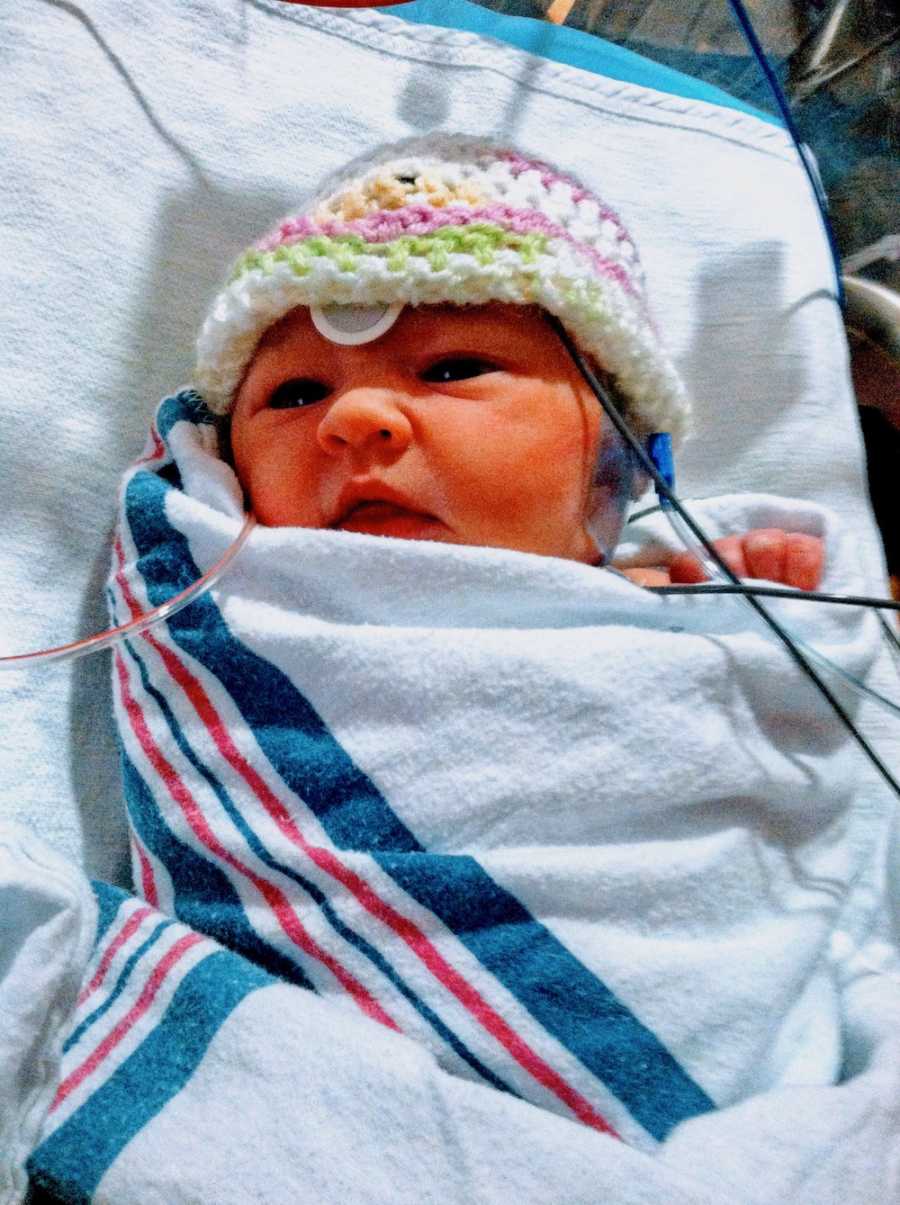
Bitsy still has epilepsy, and we are working to manage it. She has since been diagnosed with autism, which is often associated with her type of epilepsy. Yet she thrives—vivacious, energetic, and happy—finally catching up with her peers. She is not marooned on the moon. And neither am I.
From that day forward, I chose joy over worry, presence over planning. Life doesn’t always go according to plan, but it is beautiful anyway.