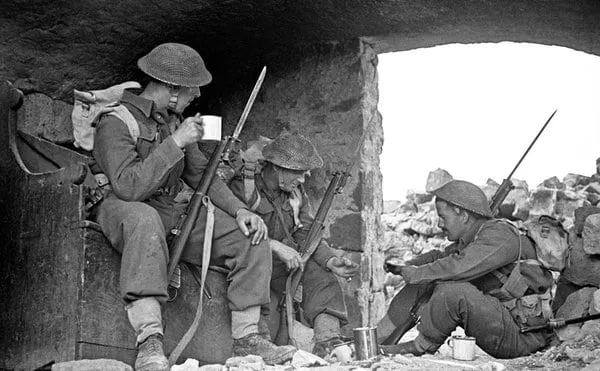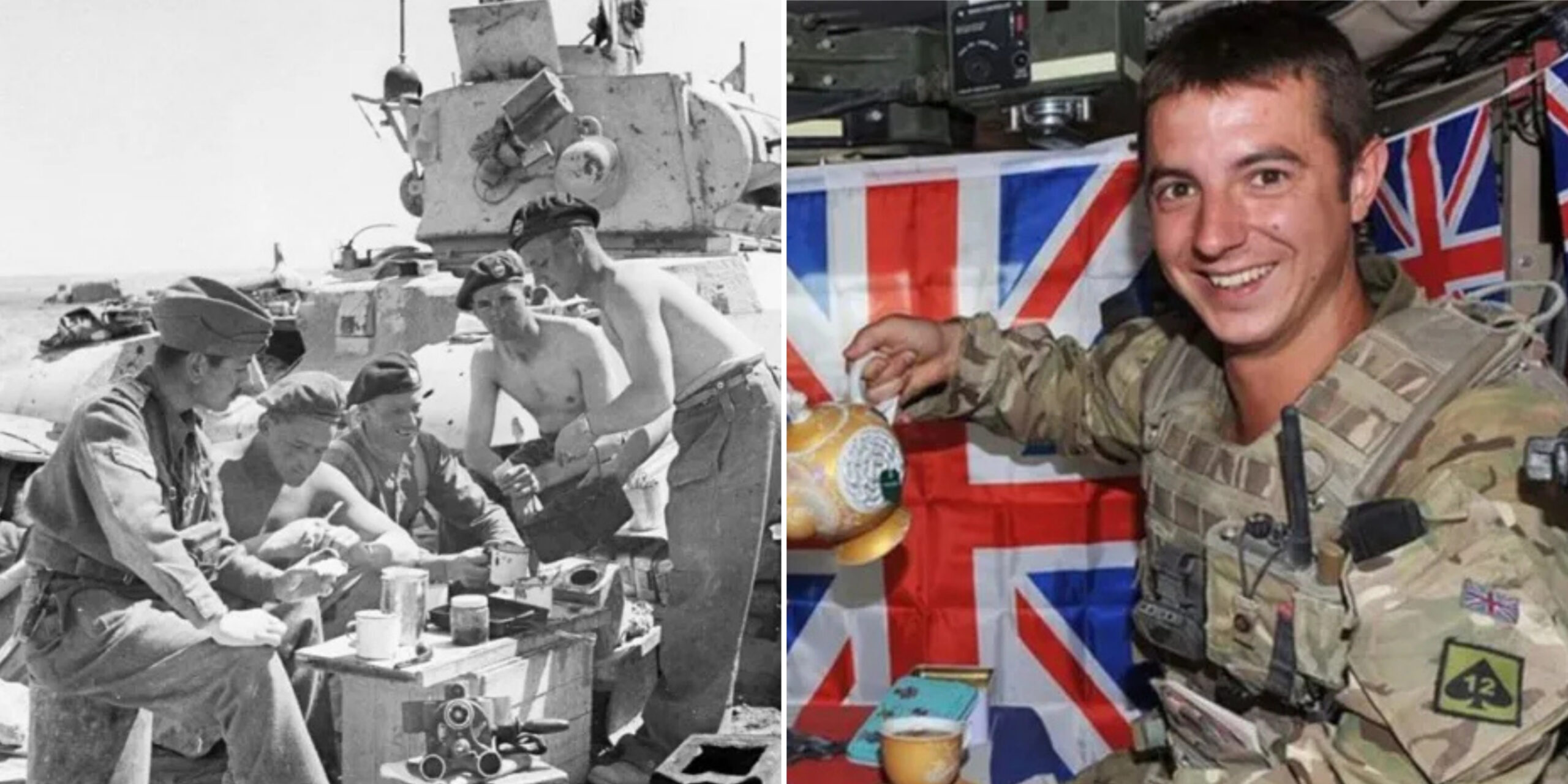
After World War II, the British Army introduced a small but profoundly impactful innovation in its tank designs—one that revealed just how much even the simplest comforts mattered to soldiers. Every tank built after the war came equipped with a built-in boiling vessel, a compact system that allowed crews to make hot tea, heat water, and prepare meals without ever leaving the safety of their armored vehicle. At first glance, it might seem trivial, but for soldiers spending long hours in the claustrophobic, steel confines of a tank, it was nothing short of revolutionary.
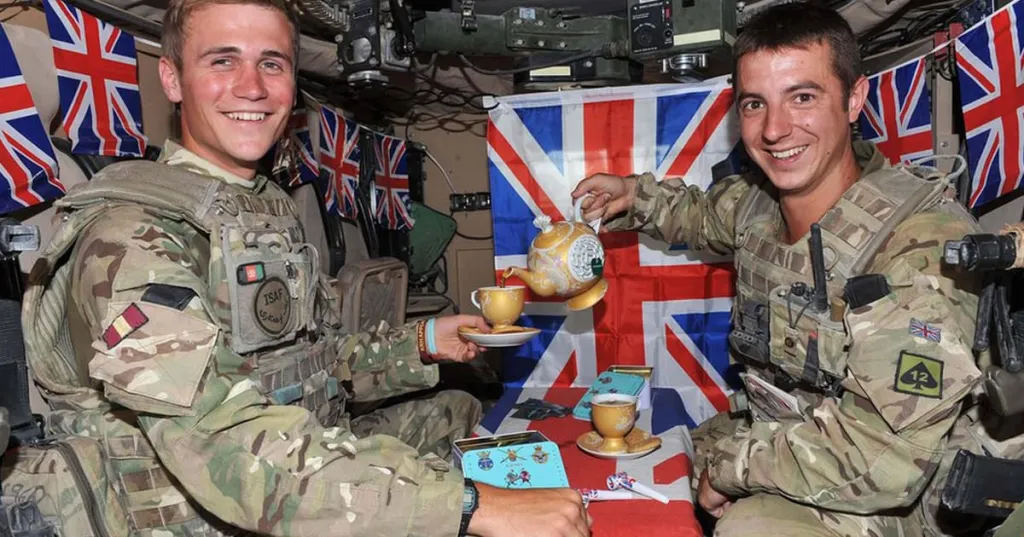
The decision to include boiling vessels was shaped by harsh lessons learned during the war. Tank crews often had to leave the protection of their vehicles under enemy fire just to boil water for tea or heat their rations. Postwar studies painted a sobering picture: a significant number of armored crew casualties occurred while soldiers were outside their tanks, performing simple daily tasks. The boiling vessel changed all that. With hot water and a warm drink available at any time, soldiers could stay inside their tanks, remain alert, and focus on their mission—while still enjoying a small touch of home amidst the chaos of battle.
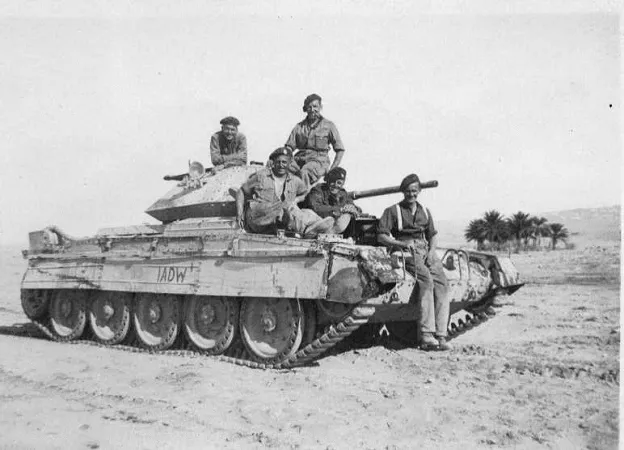
Over time, the system became more than just a practical feature; it became a symbol of crew safety, comfort, and morale. Tea breaks—once a dangerous routine—turned into moments of quiet camaraderie inside the steel walls of the tank. The boiling vessel remains standard equipment in British armored vehicles today, a quiet reminder that innovation in warfare isn’t only about firepower—it’s also about protecting lives and preserving small human comforts that sustain courage, resilience, and spirit in the harshest conditions.