There’s a beautiful term in the Jewish tradition called Dayenu, which literally means, “It would have been enough.”
I don’t claim to be an expert at much in life. I am a lifelong learner, constantly using every resource I have, every experience I encounter, to support my community, guide others, and navigate this twisty, unpredictable journey we call life.
But if there is one thing I can truly claim expertise in, it’s living this rare story—my story.
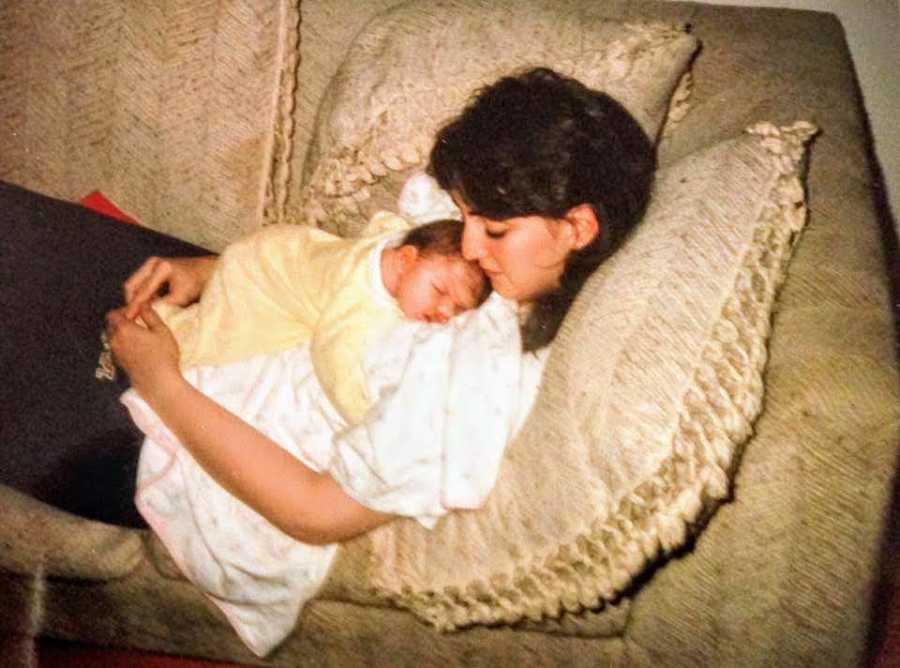
A little backstory: my mom had a normal pregnancy and, because everything seemed fine, she didn’t have an ultrasound. So when I was born with a cleft lip and palate, it came as a complete surprise to my parents. My mom’s first instinct was love and reassurance. She asked the doctors, “What’s wrong with her face? Can it be fixed?” and when they said yes, she promised me, “You are beautiful, and I will love you no matter what.”
But that was just the beginning. I was born without a soft spot in my skull, so surgeons had to create one. I had webbed fingers, wide-set eyes, and over time it became clear that my differences ran deeper than just my cleft. I was diagnosed with craniosynostosis, hypertelorism, syndactyly, and other midline anomalies.
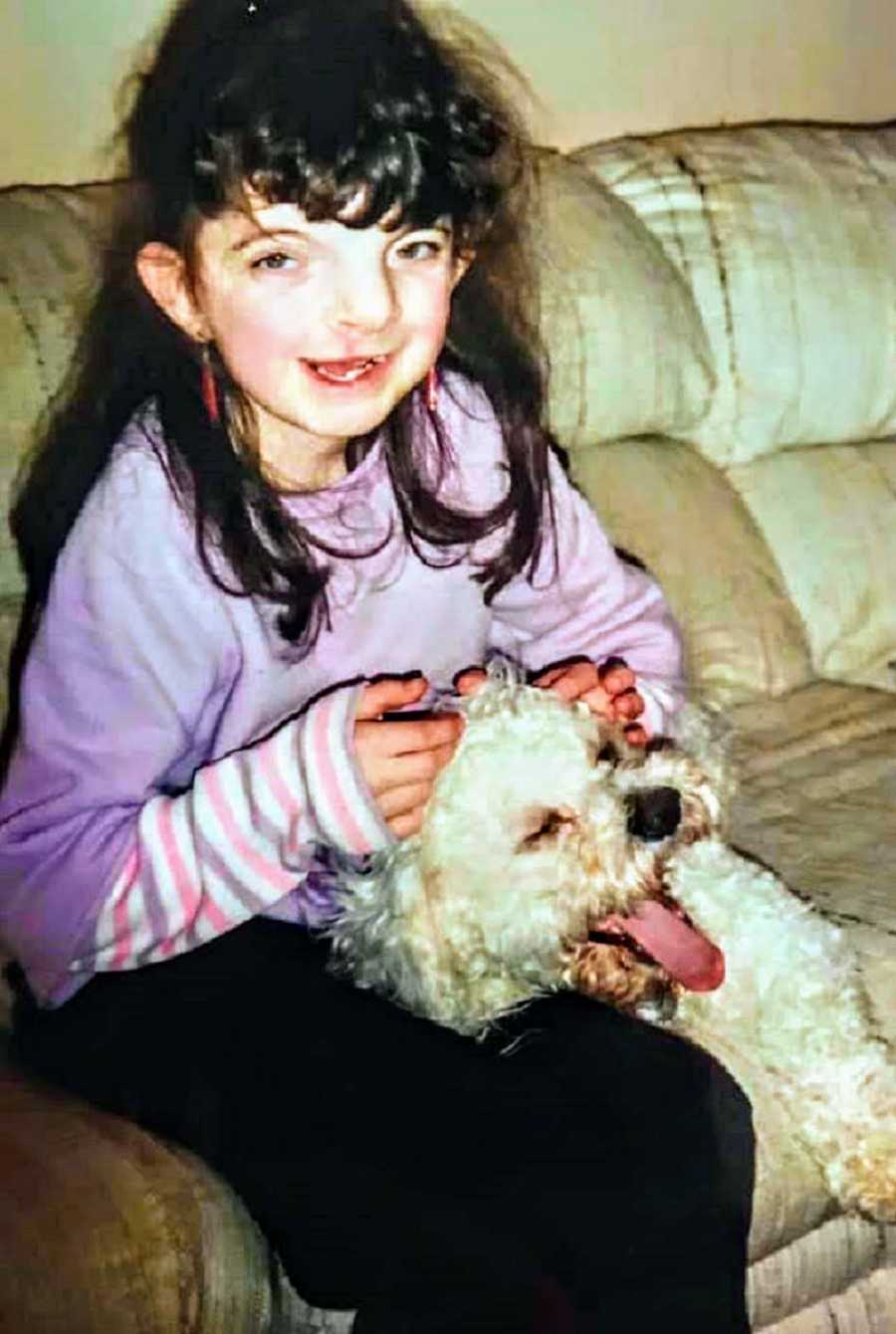
Every day outside our home—whether at the playground, grocery store, or just walking down the street—I was met with stares, questions, and comments. “What’s wrong with your nose?” “Why does your face look smooshed?” People’s curiosity was unavoidable, and sometimes their words stung.
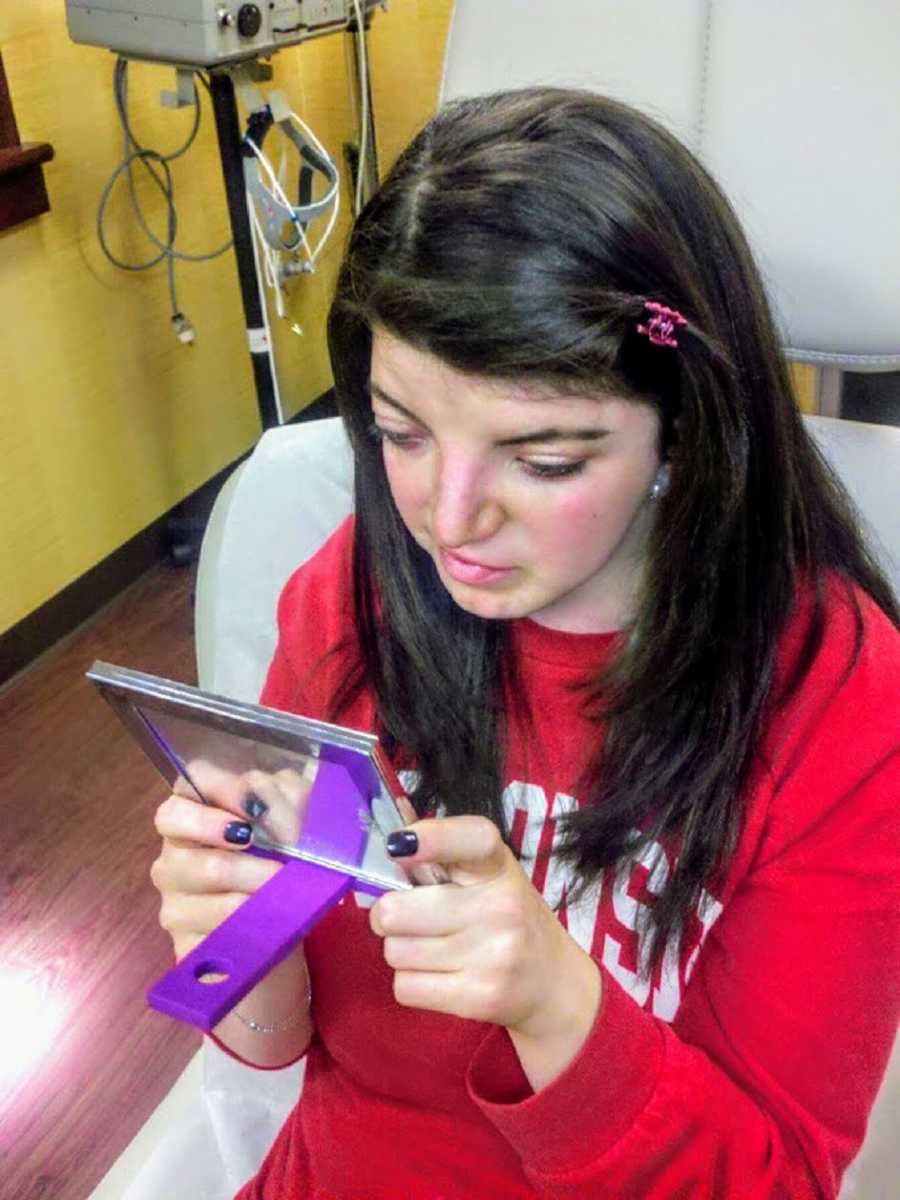
Over the course of my childhood and into early adulthood, I underwent 12–14 surgeries and countless tests, doctor visits, and procedures. Craniosynostosis affects only 1 in 1,800–3,000 children. Cleft lip and palate occur in roughly 2,650–4,440 births. Those numbers alone marked the start of a journey that was rare from the very beginning.
Fast forward 20+ years. My mom read Wonder and came across a story in the Chicago Tribune about a family who lived just 40 minutes away. They had a daughter, Mary Cate, born with Apert Syndrome—a rare craniofacial anomaly. After months of connecting over Facebook, we finally met. That day changed my world. Until then, I had never met anyone with a craniofacial difference like mine. Never someone I could say to, “Me too.”
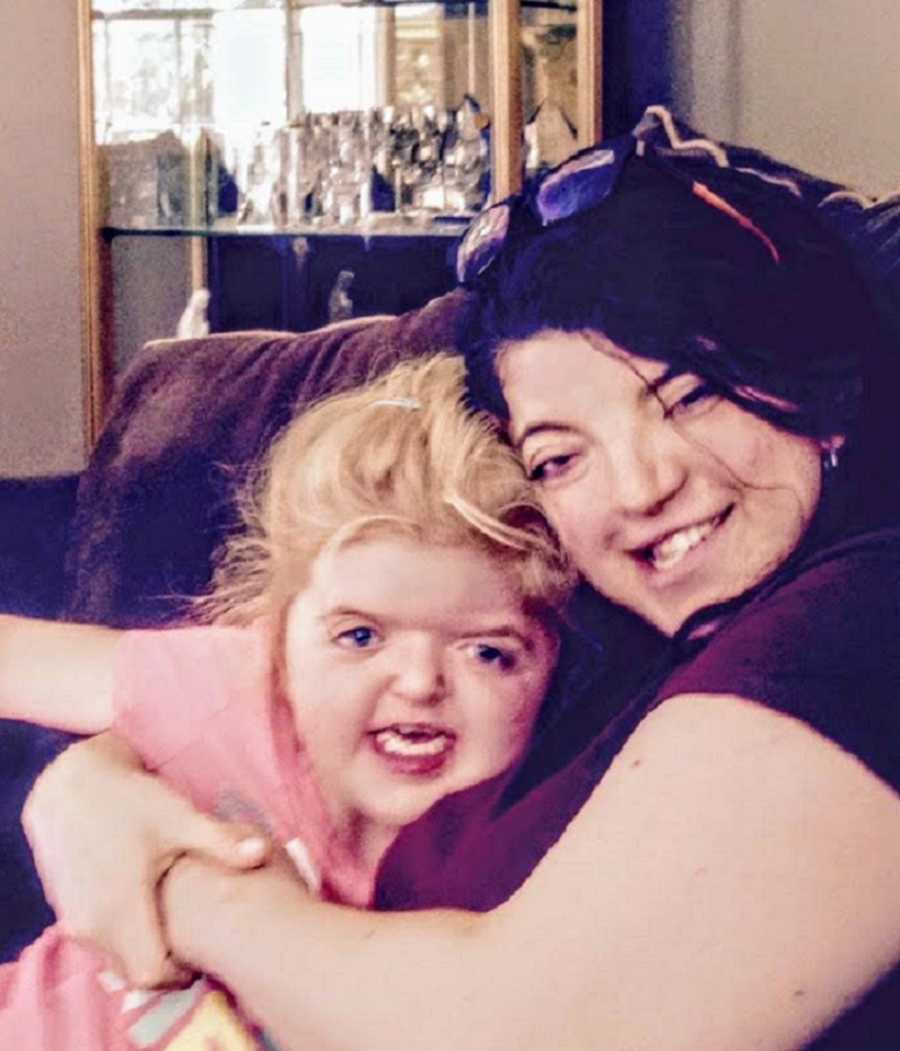
Meeting Mary Cate and her family, along with Kerry Lynch, was transformative. My mom and I suddenly felt less alone. For years, we had been forging ahead in isolation, unaware of the community waiting to embrace us. Soon, we met Nora Napientek, Lila, and countless other families across Chicagoland—people I now call my chosen family.
In that moment, my voice and my story gained meaning. Families and children were turning to me for guidance, for support. The responsibility was overwhelming, but it was also humbling and deeply rewarding.
From this, my page Art of Compassion was born. Over the past four years, it has evolved in countless ways, but one thing has remained constant: the community it has built, the connections it has sparked, and the kindness it has inspired. Conversations flow, stories are shared, and support is given freely.
And yet, Dayenu. That could have been enough. But it didn’t stop there.
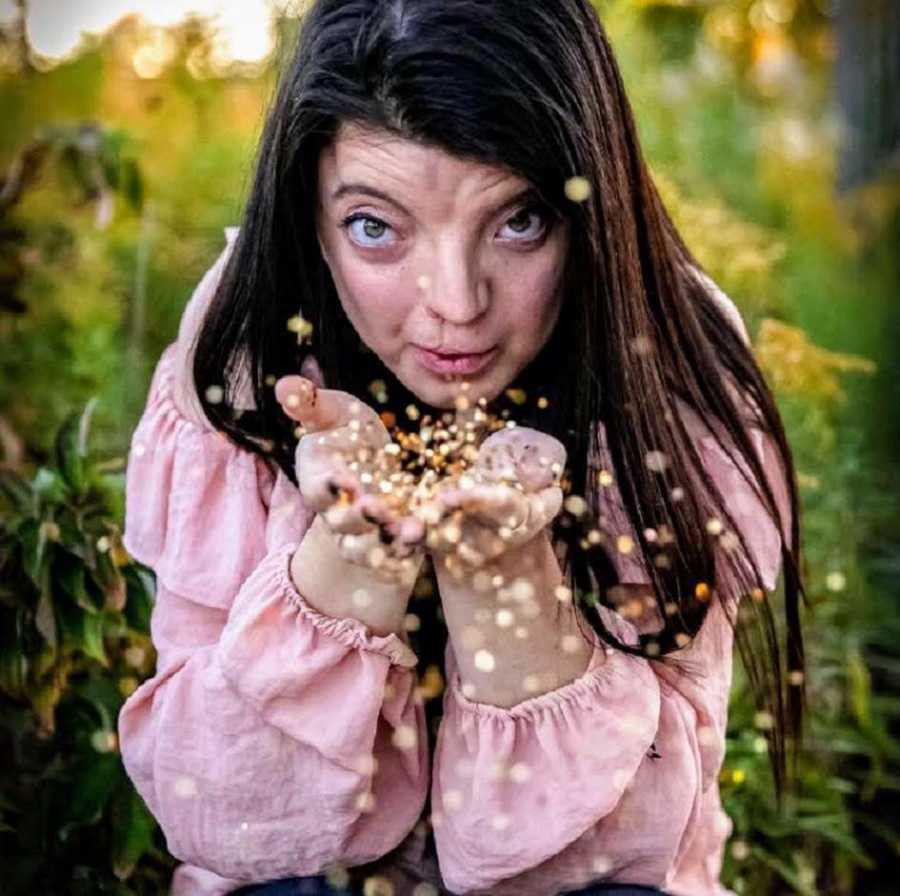
I co-wrote a children’s book, shared my story with schools, organizations, and platforms, and continued to amplify the message of compassion and resilience. And then, the rare twist that would change everything again:
One day, I Googled the combination of anomalies I was born with—my hidden habit as a “Web MD researcher” thanks to my complex medical history. Among the results, one term stood out: craniofrontonasal syndrome. For the first time, I felt a sense of belonging.
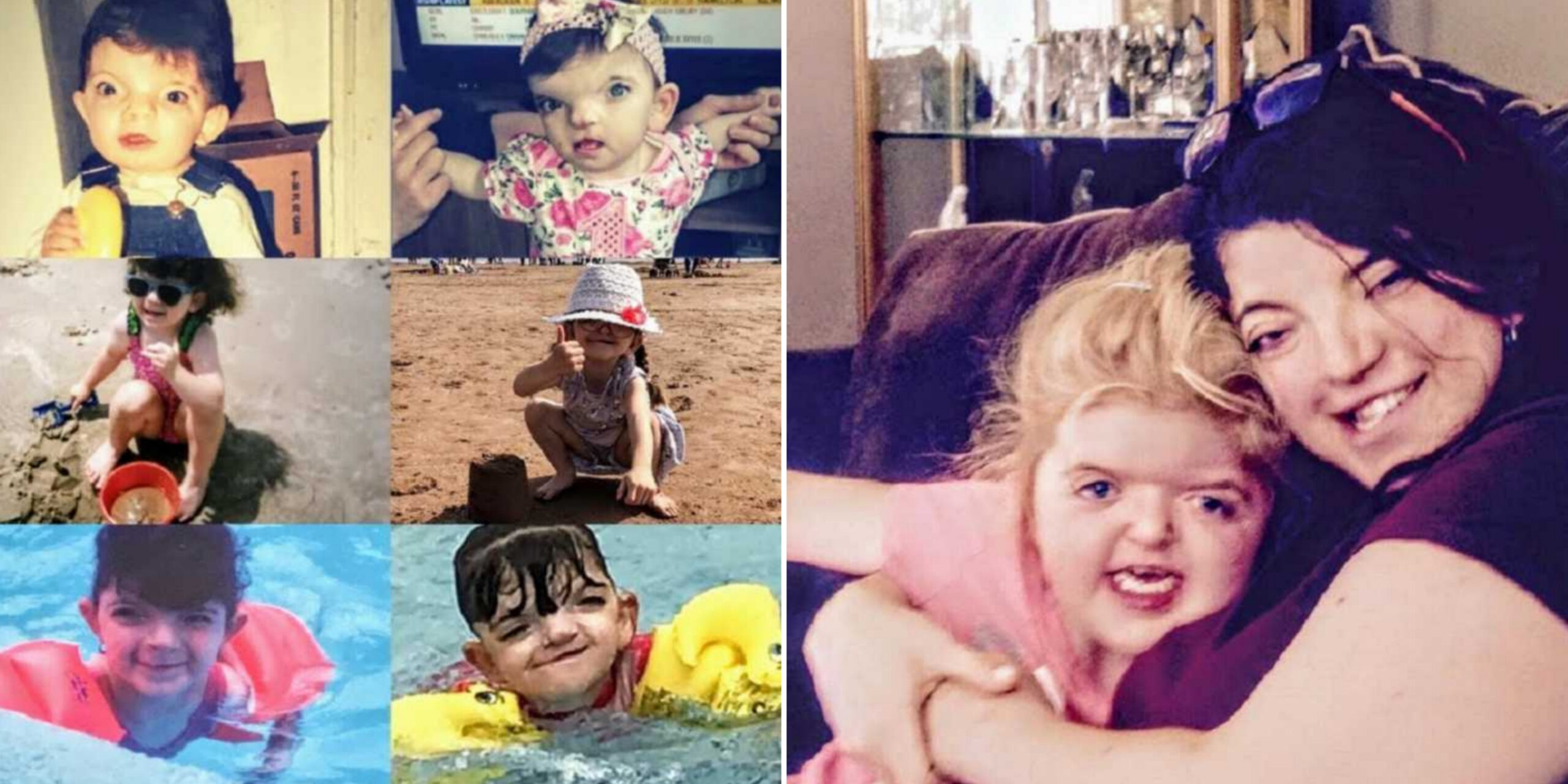
A simple Facebook search revealed children around the world who looked like me, walking the same path. And then I found a photo posted by a woman named Stephanie Carter of her daughter. I sent it to my family, and when they saw it, their jaws dropped. My mom said, “I don’t remember buying you that outfit,” and I laughed. “That’s not me,” I replied. But it could have been.
Across the globe, in the UK, there was a little girl who could easily be my twin. Her name is Brianne. While we aren’t identical, the resemblance is striking. We share the same syndromic anomalies—and our birthdays are just one day apart. I’ve joked for years that I ate my twin in the womb, explaining my midline differences with wild exaggerations. Now, I need no explanations. We are each uniquely ourselves, and our rare stories are ours to own.
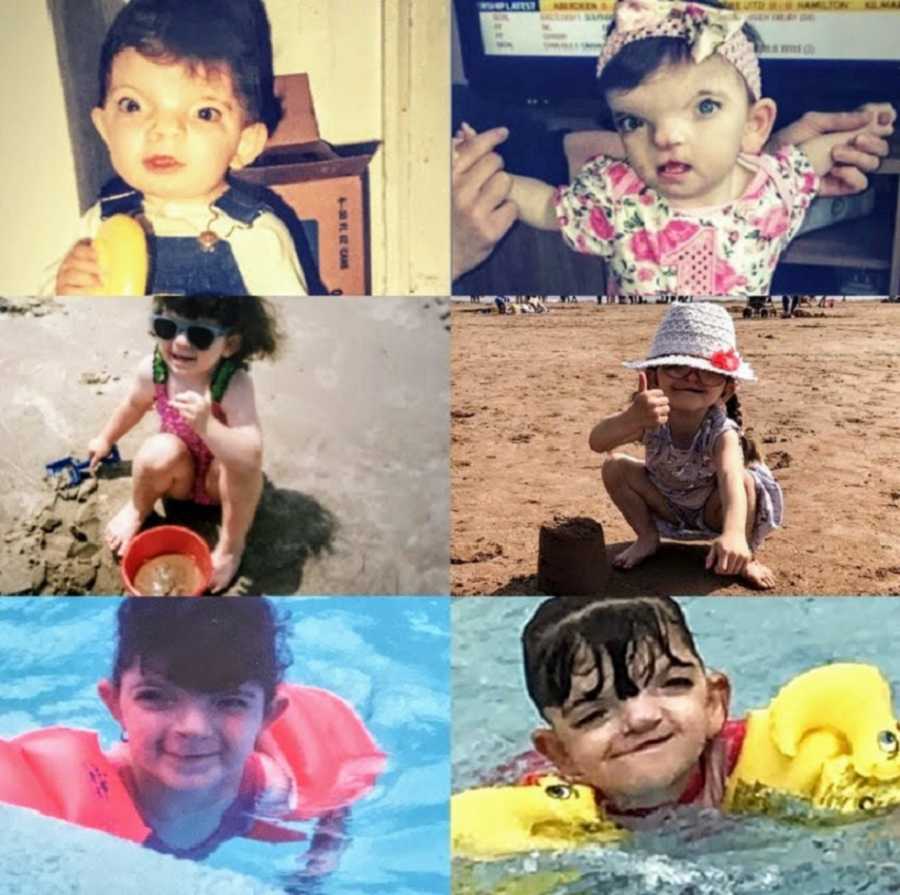
Meeting Brianne virtually has been life-changing. I feel prouder than ever of my uniqueness, and I have someone to share it with, completely and joyfully.
As I think about my own future and the children I hope to have, there’s a new light in my heart. Brianne’s presence has sparked hope, understanding, and joy I didn’t know I was missing. For the past two years, she, her mom, and I have FaceTimed on our birthdays—a tradition I now cherish. Each year, my birthday has a new, deeper meaning.
My greatest wish now is simple: that our families will meet in person, wherever and however that may happen. Anything is possible in this rare story.
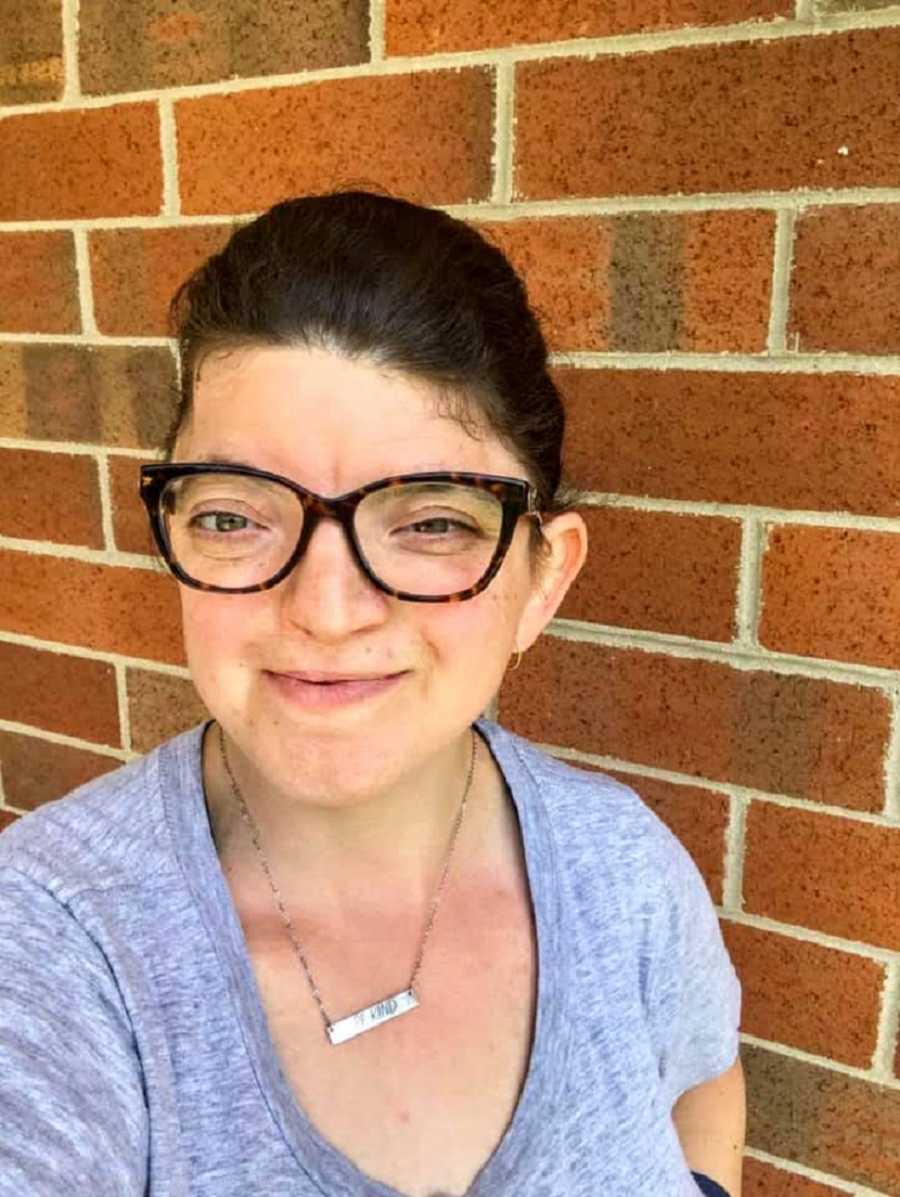
And so I live each day with gratitude, courage, and wonder. Because while Dayenu—it would have been enough—my journey, my story, and the connections I’ve found prove that sometimes, life gives you far more than enough.