The Beginning of My Daughter’s Addiction
At this time last year, our world was completely shattered.
I received a message from the Eastlake Police Department telling me to “give them a call.” I was at my in-laws’ house for Christmas, and when I called, a dispatcher answered, explaining that the detective was on another call and would call me back. I assumed it was just some last-minute holiday matter, maybe a gift mix-up, and didn’t think much of it. I waited patiently, unbothered, for the return call.
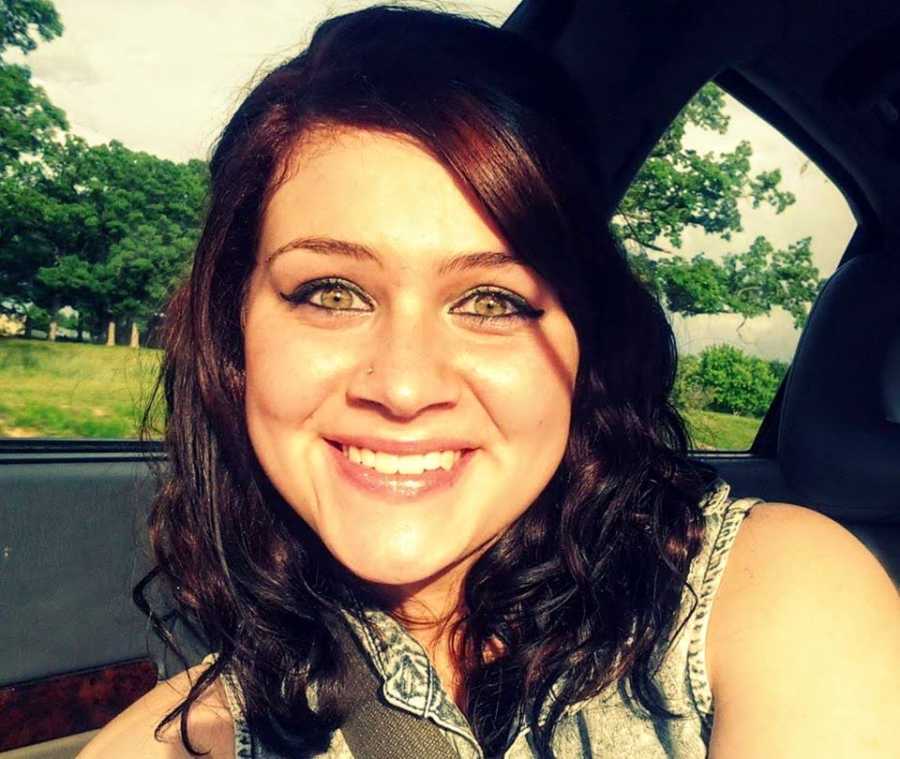
When the detective finally called, he asked cautiously, “Is there somewhere you can talk? Are you with anyone?” It was 5:55 p.m., and I told him I was with family. Then came the words no parent ever wants to hear: he had “found” my daughter, Karisten. “You need to come now,” he said. She was only 23 years old. I remember that call with crystal clarity, even a year later.

This all started months earlier after an argument with me, when Karisten told me she was “never coming home.” She had pushed her mother, Tanya, down the stairs while hyped up on speed. She had just failed out of her university courses and was told she needed to go to community college to raise her grades. That was how it began—a little weed, a little speed. She believed the people around her who said it was harmless. But that day, after she hurt her mother, she knew she had a problem and ran.
She fled to a relative’s home, and when I arrived, she told me again she wasn’t coming back. That relative, perhaps naively, said, “She can stay here as long as she wants.” Sometimes, even family outside the immediate circle doesn’t see the full picture.
Karisten wanted to be sober, and for a time, she was. She came clean about her addiction at a funeral, confessing to her family. That moment—painful as it was—marked her first step toward recovery. She stayed clean for 12 months, until she got a job that placed her in the wrong environment.
Losing My Daughter to Addiction
At that job, Karisten met someone she trusted. One day, after a rough morning and a missed ride, she opened a “Christmas present” she had been given—a small bag of what she thought was heroin. She took just a little through her nose, thinking it was harmless. But it wasn’t heroin—it was pure fentanyl. Her body immediately reacted. She was overwhelmed, grasping for life, but it was too late.
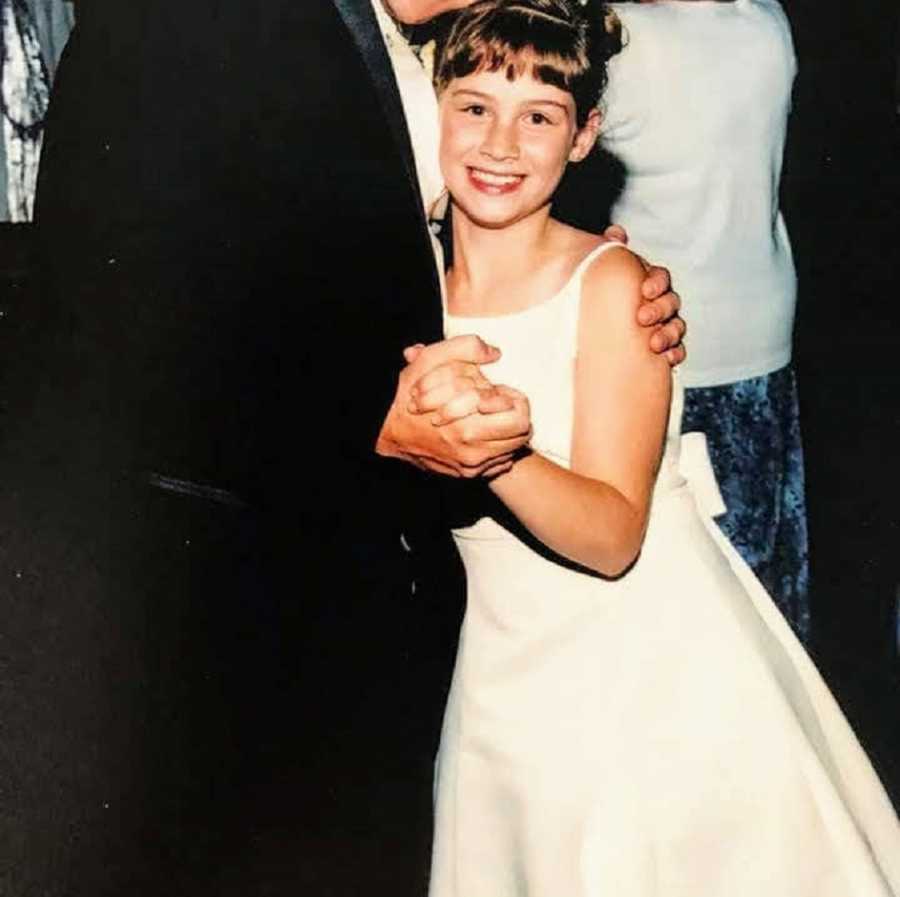
Karisten was a good kid, led astray at the wrong times. Tanya and I did everything in our power to keep her safe during her first 20 years. As her father, I had full custody and shielded her from the truth about my ex for her own protection.
When the detective called to tell me she had overdosed, I fell to my knees in the snow, sobbing uncontrollably. I couldn’t believe my Tigger—my bright, lively daughter—was gone. I left the holiday gathering and rushed to her.
When I arrived, she had already hit a lethal dose. She sat up from her pillows, propped on her bed, fists clenched, thumbs tucked under her fingers, like she was reaching for life, begging for help—but she was alone. Her face was blue, veins prominent, a trace of blood from her nose, and her mouth locked tight from clenching her teeth. I was told not to touch her because there might still be lethal powder on her body. I gloved up anyway. I had promised her that I would be there, even at the end. I carefully placed her in a body bag, saying goodbye the only way I could.
Only 12 months earlier, Karisten had admitted to using heroin and vowed to quit forever. She told me, “Daddy, I don’t want to go back to that stuff ever again.” She had shared how it began with my ex teaching her to snort Xanax, and later, when she couldn’t access them in Ohio, she turned to heroin. Her past collided with poor choices, bad guidance, and circumstances she couldn’t always control.
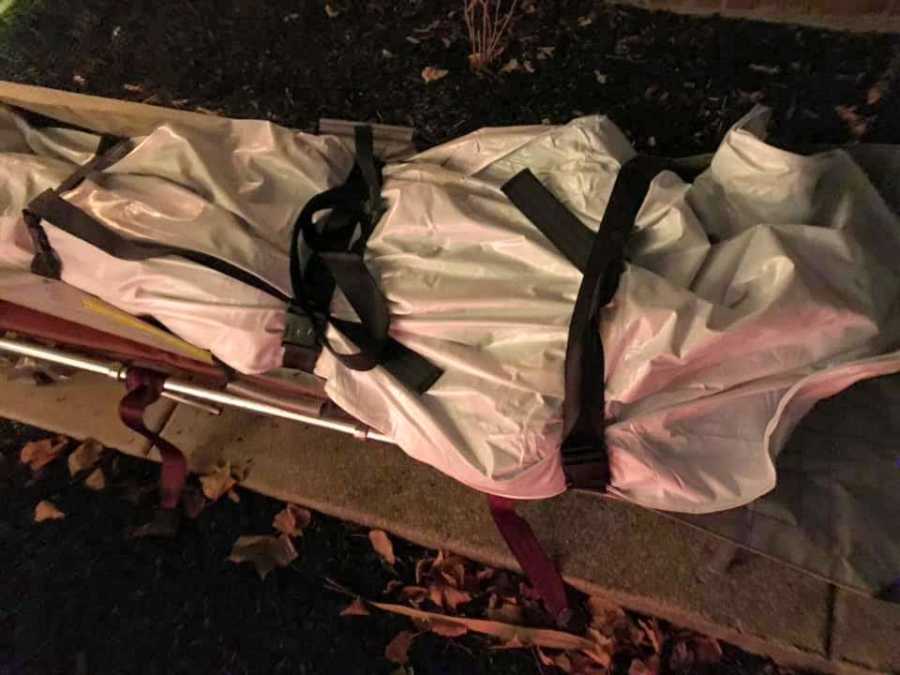
Living With Grief
Karisten was a beautiful, fun, loving, boisterous young woman who made mistakes but had a good heart. This past year has taught me painful lessons—about who truly cares, who is present in times of crisis, and the merciless reality of addiction. Heroin is relentless. For those struggling with it, there is only one “out”—death if intervention doesn’t come in time.
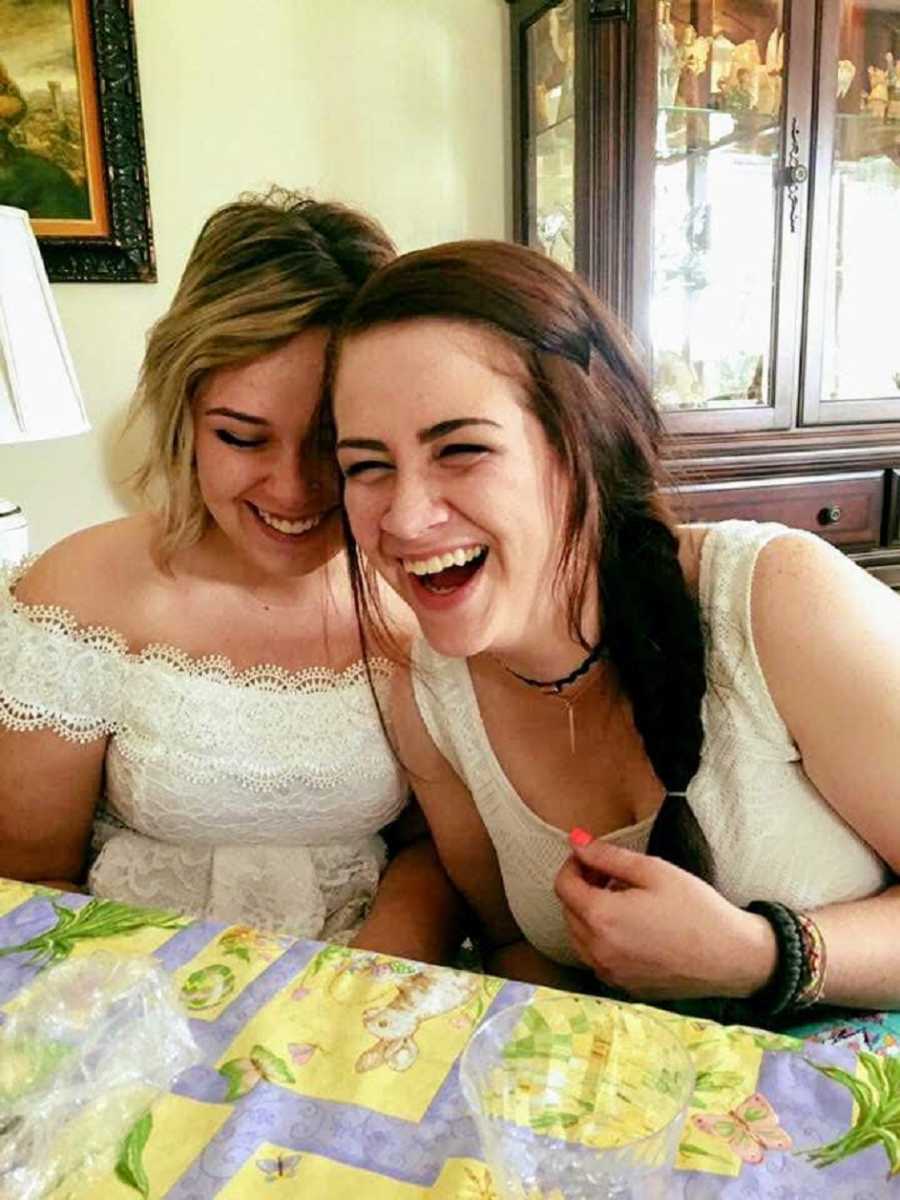
No parent should have to bury a child. No family should endure this grief. We miss Karisten every single day and wish she had never taken that fateful hit. But it was her choice, and now her story serves as a warning to others. Let your children be kids, guide them, trust your instincts, and don’t let outside voices dictate how you protect those you love. Addiction can strike anyone. Awareness, guidance, and intervention are critical.
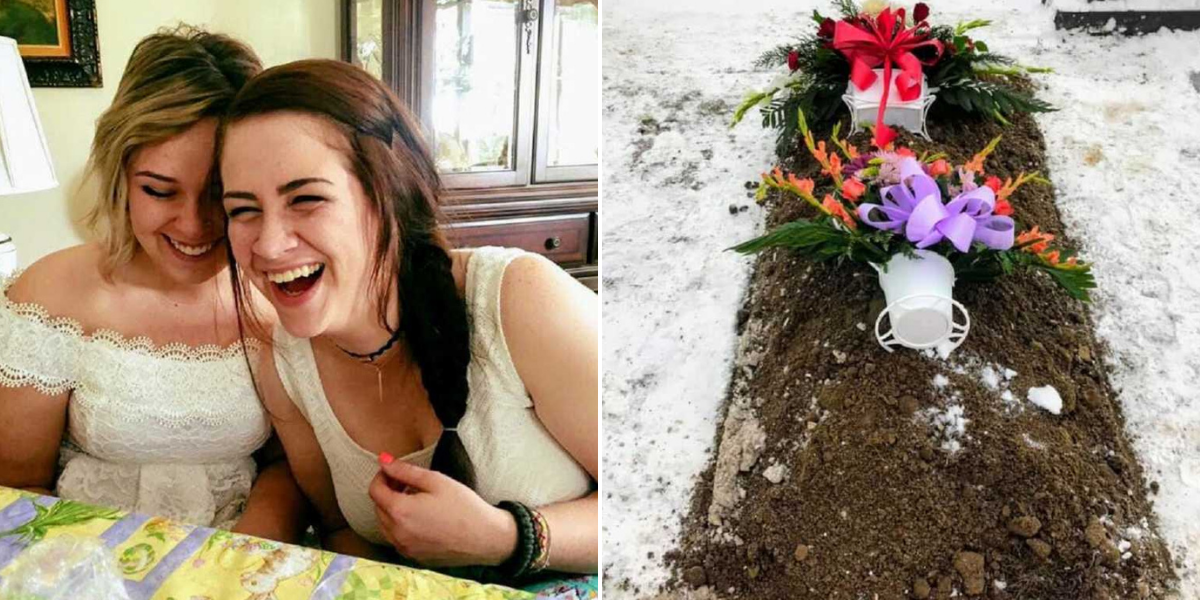
We are still paying for her funeral arrangements and trying to give her a proper headstone. The grief is compounded by the reality of saying goodbye, but sharing her story is part of honoring her memory. I promised her that I would show the harsh truth of drugs to help others. These pictures and words are part of that promise.
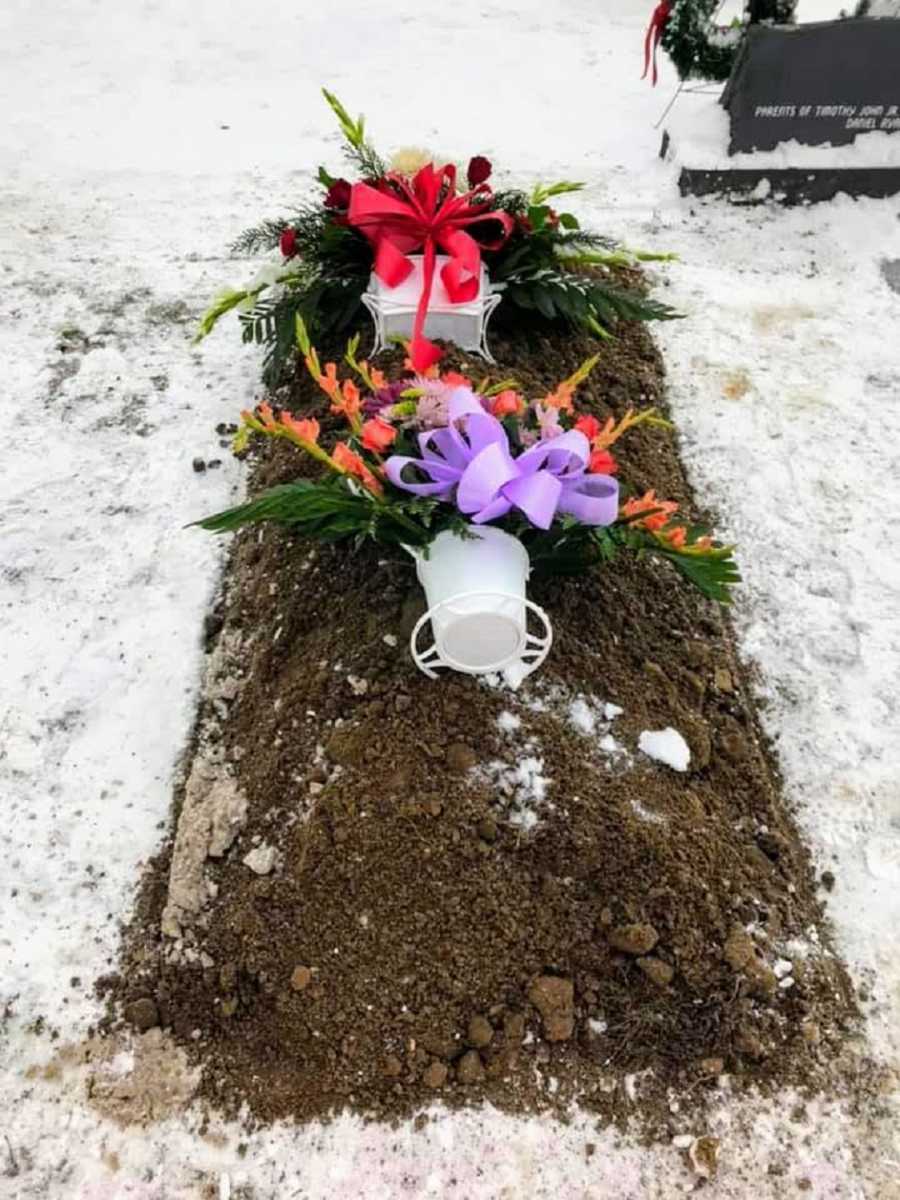
Please, wrap your arms around your loved ones, let them know how deeply they are cherished, and never underestimate the danger of addiction. Share this story to save another life, because heroin does not discriminate.
Rest easy, Karisten Lyn Sherman. I miss you, my heart is broken, and I love you more than words can ever express.