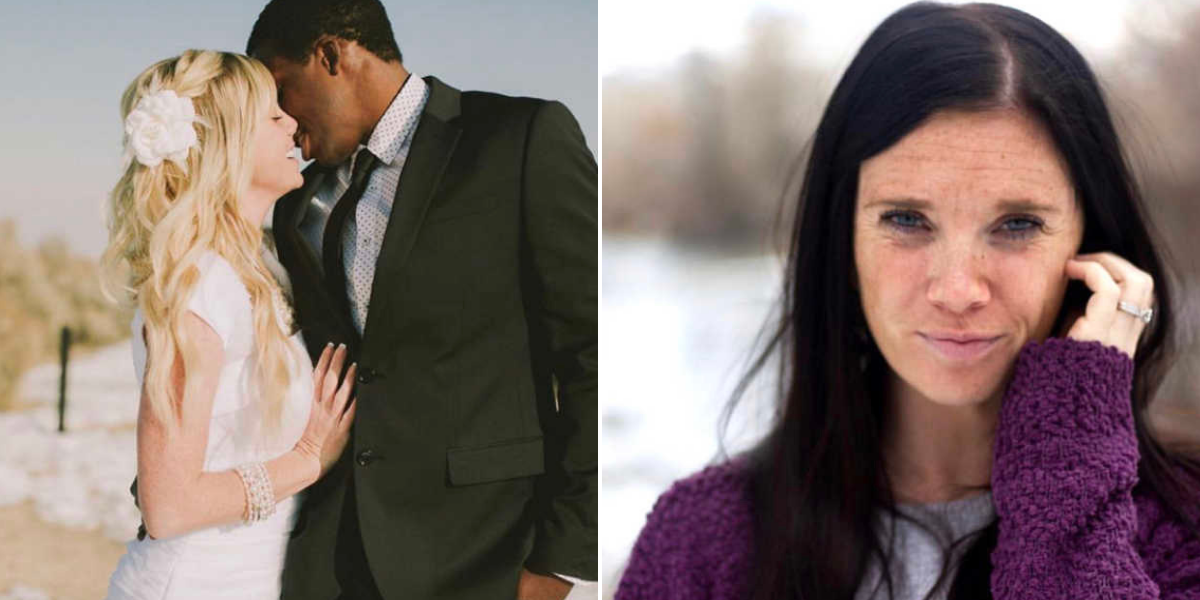
I was married at just 18 years old, and back then I truly believed love was permanent and unshakable. My parents had a strong, steady marriage, so I never imagined a day when I wouldn’t love my husband as deeply as I did on our wedding day—or that he would ever stop loving me. Our wedding was beautiful, and for a while, life afterward felt just as good. We spent evenings watching endless Law & Order SVU reruns, eating way too much pizza, and settling into what I thought was a comfortable rhythm. He played soccer and I happily sat on the sidelines cheering him on. I didn’t really have hobbies of my own, but supporting him felt like enough. At the time, I considered us a pretty typical, happy marriage.
About two years in, we found out we were pregnant with our first child—a baby boy. He changed our lives in every way imaginable, both beautifully and painfully. When we drove separately, my husband would call me just to talk. Honestly, it sometimes annoyed me because I wanted quiet or music, but I answered anyway. We talked constantly. We never fought—never. I bragged about our marriage to anyone who would listen, convinced we had it all figured out. Looking back, I realize how much I didn’t see.
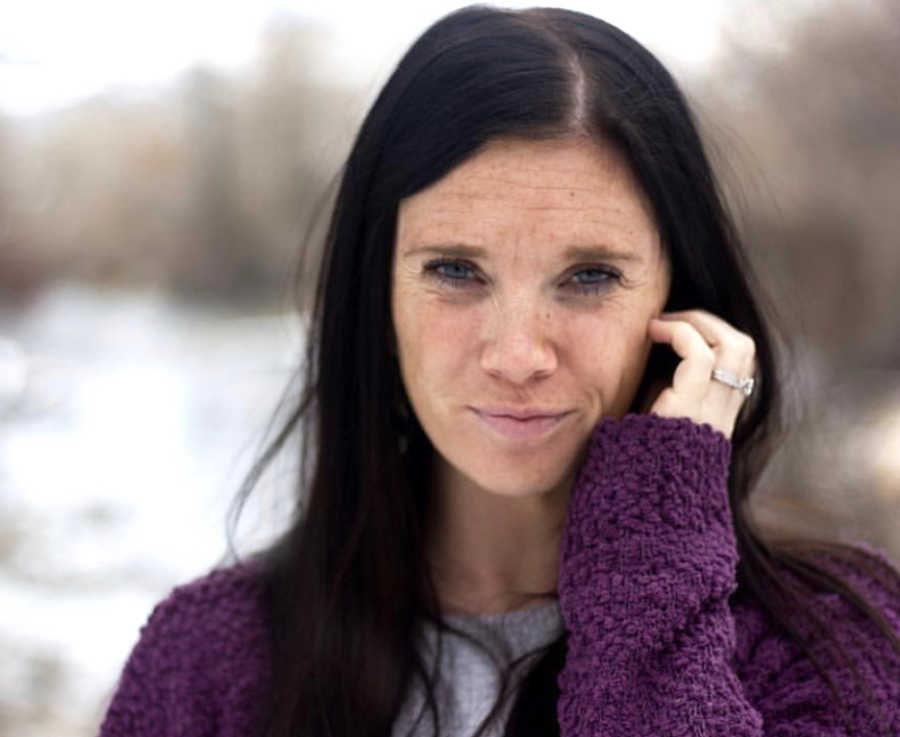
You know how people say relationships change after marriage and kids? I assumed that’s all this was. I thought the subtle shift was just us settling into real life. I was naïve. Slowly, things began to feel off, and one day I finally asked him why. His answer was simple and devastating: “I guess I’m just not happy.” When I asked if that unhappiness included us, he replied, “Yeah, I guess so.” Panic took over. I blamed myself immediately. I went into full “perfect spouse” mode—cleaning the house daily, keeping up with laundry, making his breakfasts, packing lunches, laying out his clothes. I stocked the fridge with his favorite foods, handled everything for the baby, and even started dieting because I thought losing weight might make him love me again. He was juggling a full-time job, 18 credit hours at school, a church calling, and soccer, so I convinced myself I needed to do more to fix whatever was breaking.
But things only grew colder. He stopped calling me while driving. He didn’t want to talk about his day—or anything at all. The house felt quiet in a way that was heavy and wrong. When I asked my dad for advice, he gently suggested I dig deeper. I thought he was overreacting. I had no idea that advice would lead to the end of my family as I knew it.

The proof came through our phone bill. Hundreds of pages—over 200—of text messages exchanged with another number throughout September 2012. Day and night. When I confronted him, he said it was just a coworker, a friend, a girl he’d mentioned before. He insisted it was nothing more than friendship.
The months that followed are still painful to remember. I spent years trying to lock those memories away. But when I let myself revisit them, the pain feels just as sharp. I remember waking up one night and realizing he wasn’t in bed. I checked downstairs, then ran to the window, desperately hoping his car was in the driveway. It wasn’t. After that, it never was. He said he was just going for drives. I stayed awake until he fell asleep, obsessively checking every form of communication—emails, texts, call logs, Facebook, even his work email. I always found something: messages, restaurant charges clearly meant for two, lunch plans with her.
Eventually, he stopped coming home altogether, claiming he was staying with friends. When I called to pay the power bill and was asked which address I wanted to apply the payment to, everything clicked. He had two homes. Two lives. That’s when I moved in with my parents. The very first day there, the truth fully unraveled—and so did I. I sat alone on my porch and, for the first time, made a plan to end my life. The pain felt unbearable: my marriage destroyed, the man I loved with someone else, and the thought of explaining to my little boy—who wandered the house calling for his daddy—that his father wasn’t coming back. In that moment, it felt like there was no other way out. Thankfully, my dad arrived, took me with him, and my parents checked me into a psychiatric facility.
Inside the facility, the psychiatrist asked simple questions—my favorite music, food, weekend activities, TV shows—and every answer revolved around my husband. I didn’t even know who I was anymore. Despite everything, I begged to call him. I needed him to tell me it was all a nightmare. I refused to eat. I barely spoke. Then the doctor said words that still echo: “Honey, he doesn’t love you, and he doesn’t deserve your love. You’ve lost yourself in him, and you need to find you.”
Not long after I was released, he came to the house to say he was done for good. That moment still hurts the most. I curled up at his feet, begging him not to leave. I told him he could have us both and I would endure it if it meant he stayed. He walked out anyway. I collapsed into sobs so violent they felt physical—screaming, gasping, unbearable pain. And then, suddenly, it stopped. I fell asleep on the floor.
Healing after infidelity is long and messy. I swore I’d never marry again. I exercised obsessively. I struggled to look at my 18‑month‑old son because he reminded me of his dad. I made choices I regret and sought validation from men who claimed to love me because I desperately needed to feel wanted. My life spiraled—until July 24, at a diner, on a prearranged breakfast date.
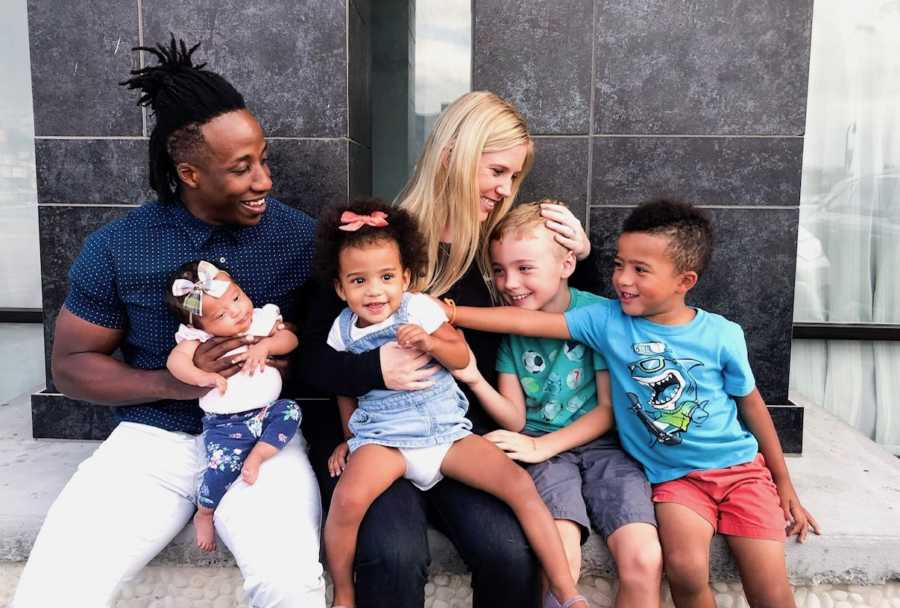
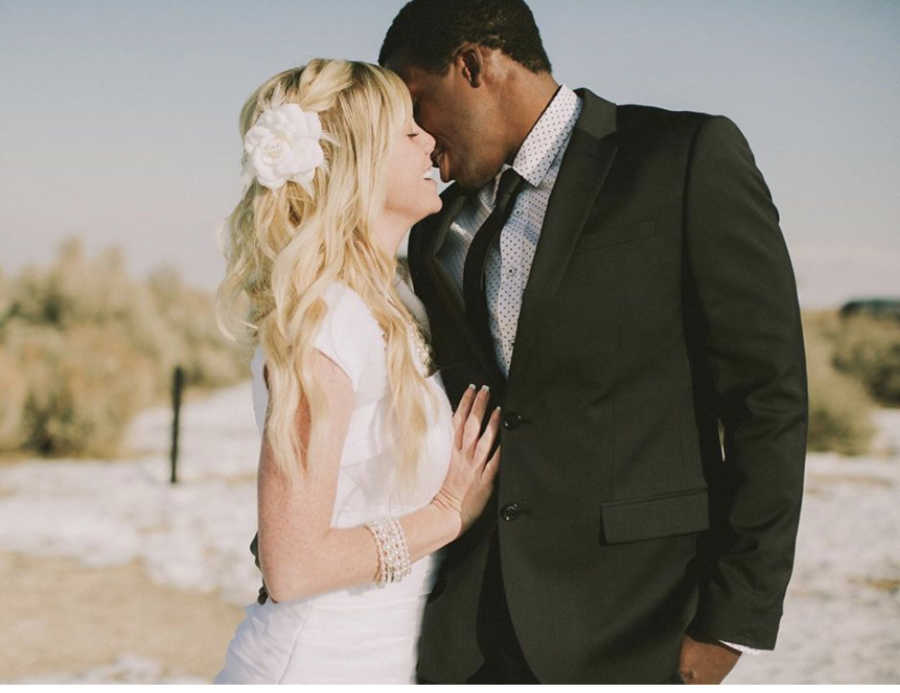
I met my now-husband through a dating app on a blind date. I told him upfront I’d need to bring my two-year-old son. He agreed—reluctantly, as I later learned. His plan was to be polite and disappear. Instead, everything changed. We married in March 2014. I waited for things to fall apart, convinced every disagreement would lead to divorce. But he proved me wrong. I promised myself not to punish him for my ex-husband’s choices. We don’t hide passwords, but there’s trust.
He honors my past in ways I never knew were possible. He sets boundaries, reassures me daily, and loves me intentionally. He compliments me constantly, speaks my love language, chooses time with me over convenience, and pretends to love my favorite restaurant just to make me happy. What I once thought was a good marriage was really just one that wasn’t bad. This—this is the love I waited my whole life for.
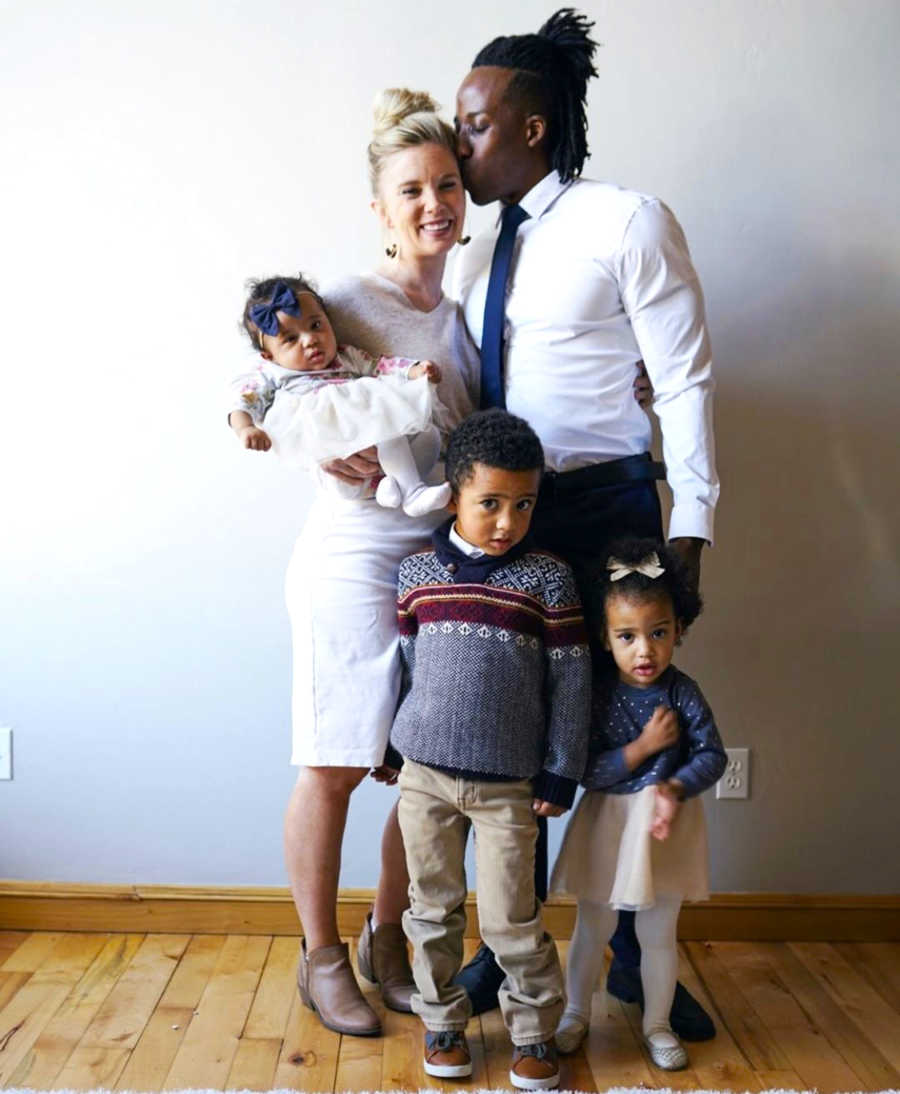
I still see a therapist and was diagnosed with post-infidelity stress disorder. I take medication for anxiety. Sometimes it’s hard to accept, but it helps me be a better wife and mother. There’s no shame in healing.
There is beauty in struggle. Strength rises from ashes. I never thought I’d survive, let alone thrive. I would relive every painful moment again if it meant having the life I do now. Trials leave marks for a reason—they shape who we become.
Every day, I thank God for knowing what I couldn’t see. I’ve learned that never fighting isn’t a sign of a perfect marriage—it’s often fear. I don’t need my husband to survive; I choose him every day. And that choice makes all the difference.
I share this now because honesty removes shame. If you’re hurting, know this: you will grow, you will love again, and you will be okay. Keep moving forward. There is so much waiting for you just around the corner.