I had my first sip of alcohol when I was about 14. It tasted awful, honestly, but at that age it wasn’t about the flavor. It was the thrill. Sneaking around, hiding the evidence, covering my tracks, and keeping a secret from the adults felt like a game—one I thought I was in complete control of.
I had no idea I’d still be playing that same “game” at 26 years old.
In my mind, what I was doing felt normal. I assumed my normal was everyone else’s normal. At 26, I was still drinking hard whenever I could—going out constantly, spending money I didn’t have on drinks I didn’t need, throwing parties just because. I told myself I was fine. I had no DUIs (even though I totaled my first car while completely intoxicated and somehow got away with it because of ice). I’d never been arrested, hospitalized, or sent to rehab. So that meant I didn’t have a problem, right? Everyone else with consequences were the “real drunks.” That misconception would affect my life in ways I never imagined.
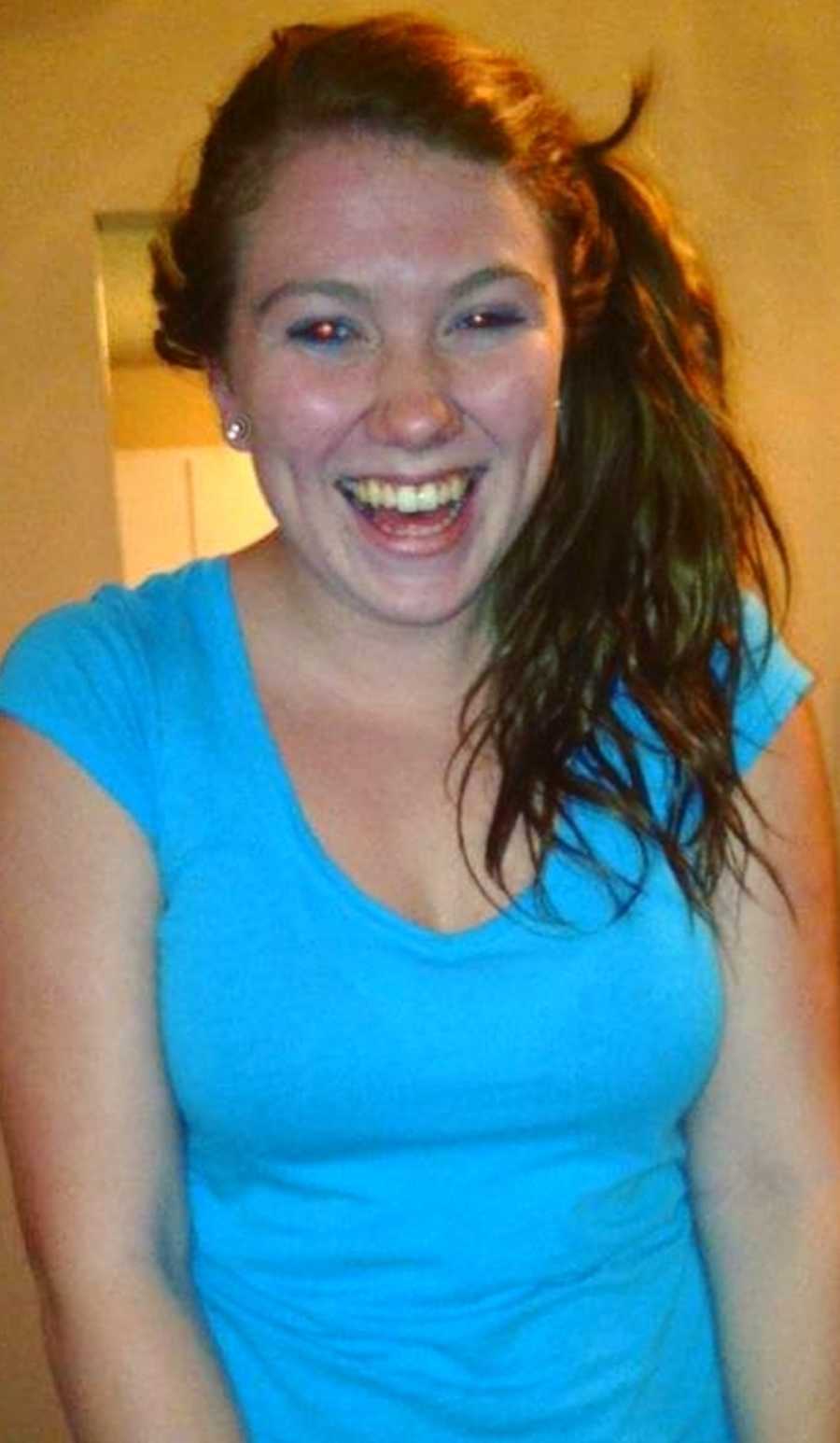
Looking back, I started drinking regularly at 16, but by 19, dependency had set in. My friends and I would buy the biggest, cheapest gallon of vodka we could find and try to finish it in one sitting—multiple times a week. While other kids were going to movies or hiking, I was getting drunk. I avoided anyone who didn’t want to smoke or drink because they weren’t “cool” to me. Nearly my entire teenage experience revolved around sitting in someone’s house and drinking. That was my idea of fun.
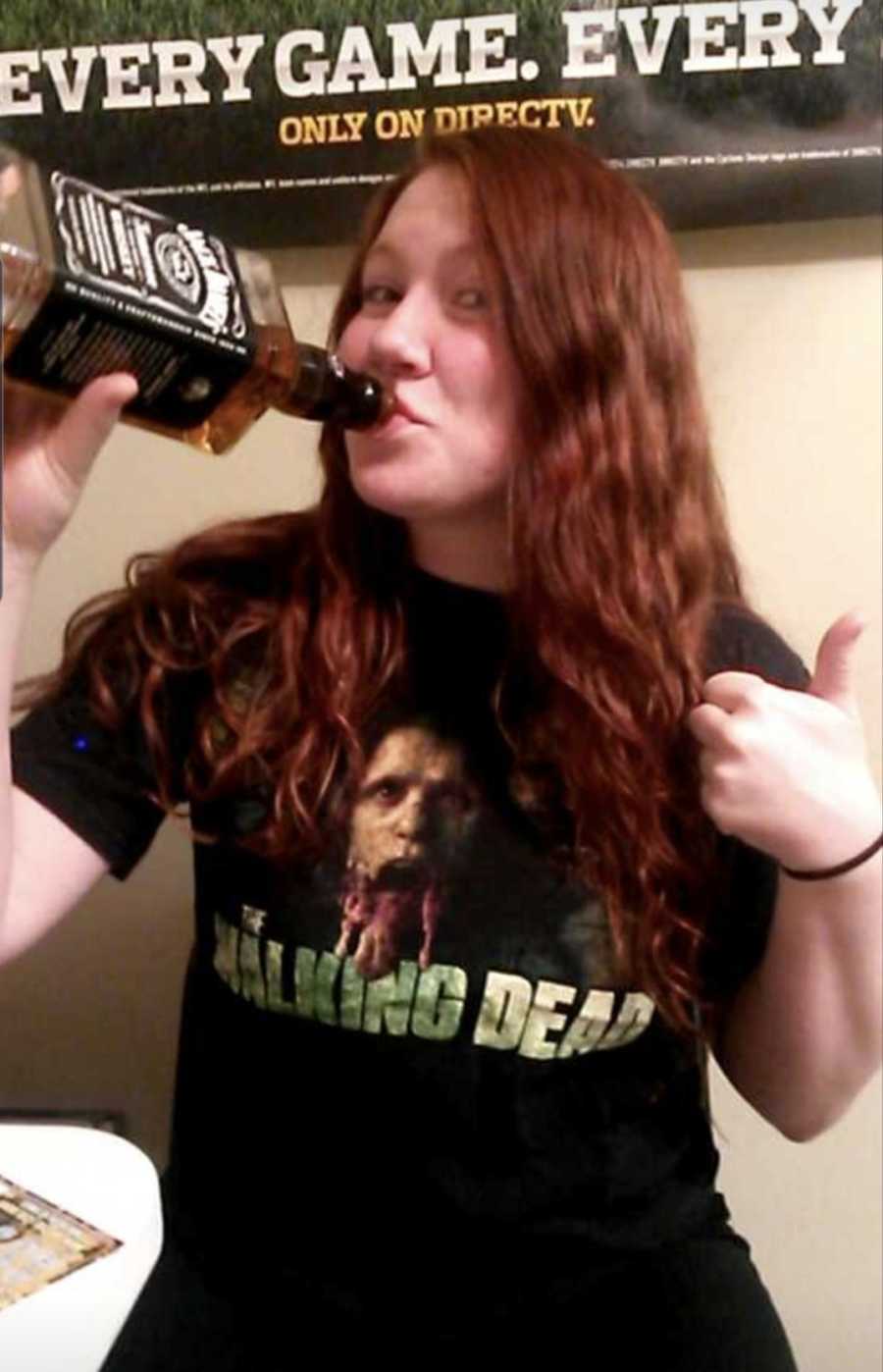
When I turned 21, the only real change was the location. Now there were bars. Now I could drink and drive. By 22, the blackouts started. I remember Googling why this was happening, genuinely confused about why I was forgetting everything. I thought I was good at holding my liquor—adorable, I know—so I assumed something must be wrong with my brain. The truth was obvious, but I wasn’t ready to face it. Instead, I kept drinking and hiding it. I blacked out at least four times a week, and no one knew. I never passed out like other people; I stayed awake, went places, held conversations, and later pretended I remembered them.
For four years, I lived like that. For four years, I snuck drinks in kitchens when no one was looking. I stopped at free wine and moonshine tastings on my way home from work—every single day. I told people I was on my way while sitting alone, taking shots just to feel okay enough to leave the house. I took breaks at work to go to the liquor store, bought fifths of whiskey, and drank them in the parking lot.
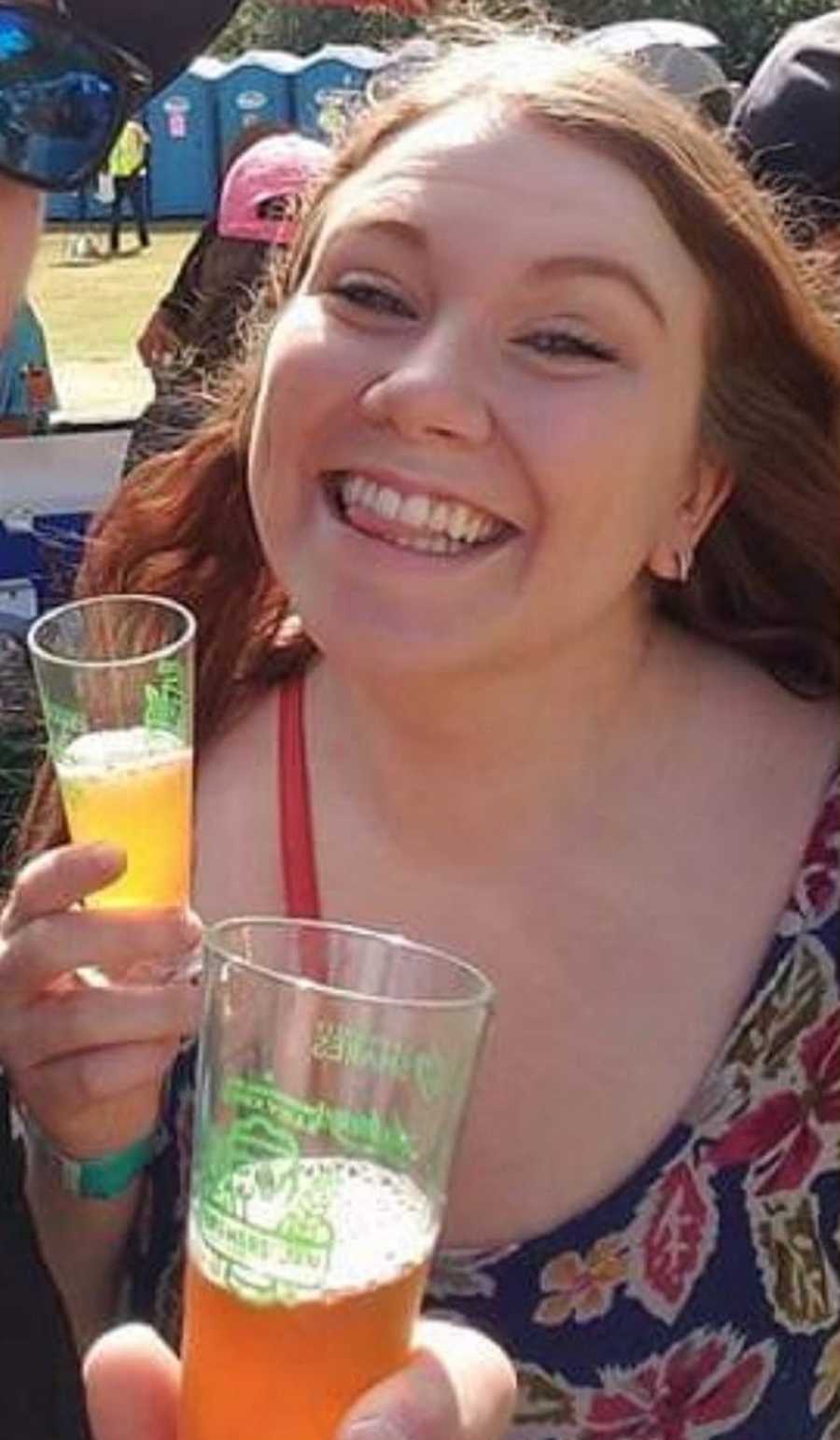
Alcohol came before everything. Before everyone.
I tried to hide it, but people started to notice.
I became mean—really mean. I’ve always thought of myself as a happy, easygoing person, but during my blackout phase, I was someone else entirely. No one knew I was blacking out, so they thought I was consciously choosing to be cruel. I wasn’t. I would never say those things sober. I constantly woke up trying to figure out who I needed to apologize to. The shame was unbearable. I knew what was coming every time I drank, and I drank anyway. I had to.
That’s when hangxiety took over. The anxiety after drinking was relentless. Not remembering what I’d done or who I’d hurt consumed me. I felt trapped—unable to keep drinking, but unable to stop. Alcohol had wrapped itself around my entire life.
Until it all came crashing down.
I nearly killed my boyfriend and our friend while driving drunk.
This wasn’t a small mistake or a quick swerve. This was a blackout at 3 p.m., on mountain roads, screaming at the top of my lungs and threatening their lives. I screamed for them to get back in the car. They refused, terrified. In my drunken rage, I drove off anyway, with zero concern for anyone’s safety—including my own.
I don’t remember it. And I don’t want to.
I locked myself in my room for three days and cried. I couldn’t eat. I couldn’t move. I couldn’t face anyone. I was done.
I finally knew I couldn’t lie to myself anymore. I had to choose what kind of life I wanted. Just being alive—or truly living.
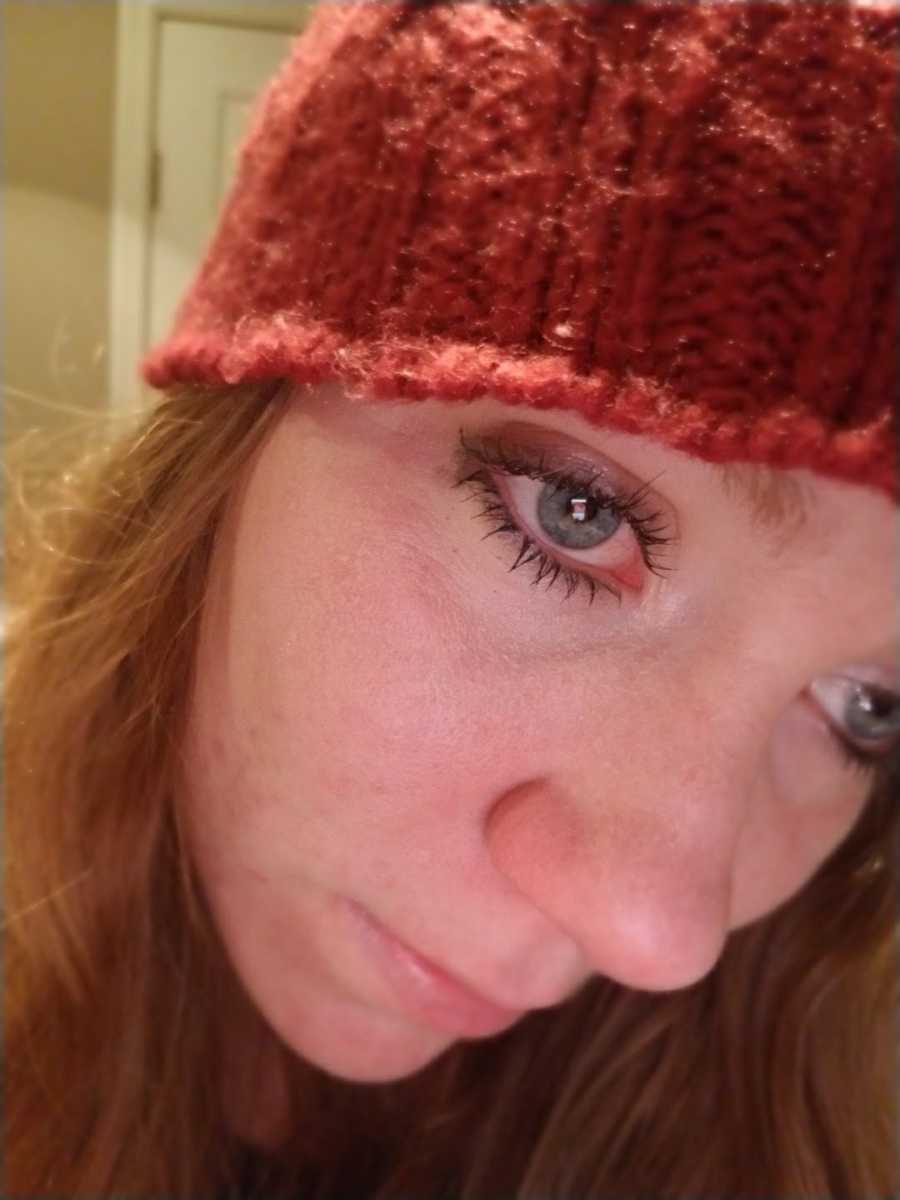
The answer was obvious. The fear came next. What do I do if I don’t drink? Will I lose all my friends? How do I enjoy life without alcohol? It felt overwhelming. I’d spent more than a decade depending on something that only betrayed me. Starting over felt terrifying.
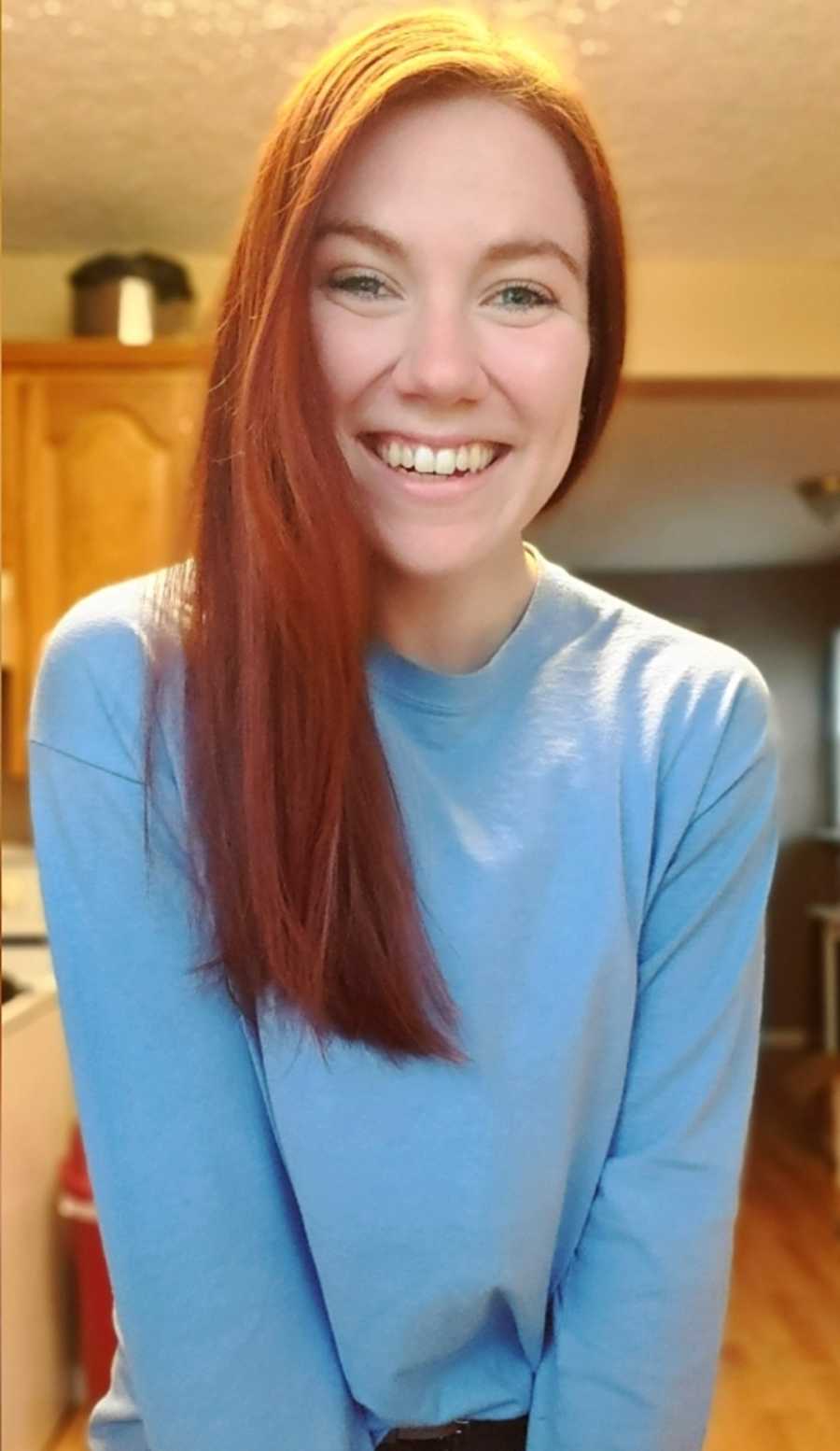
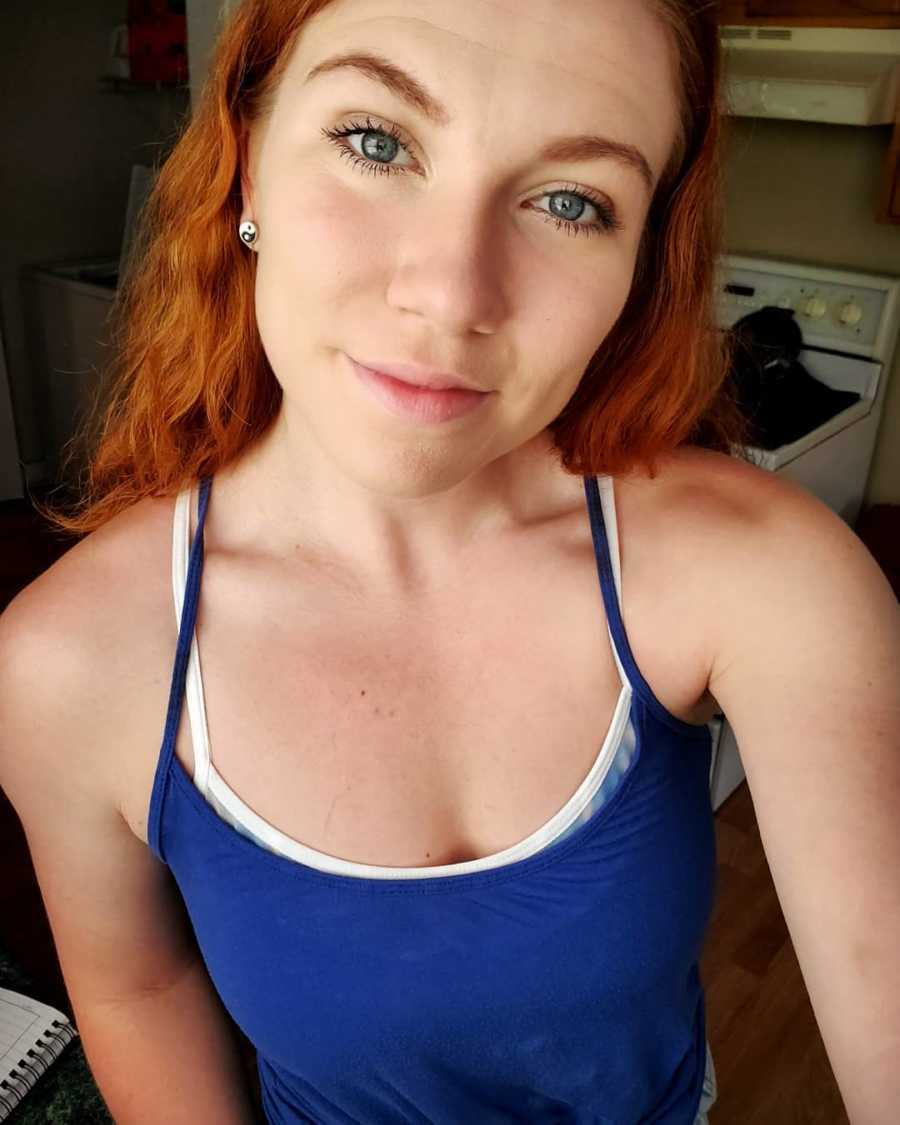
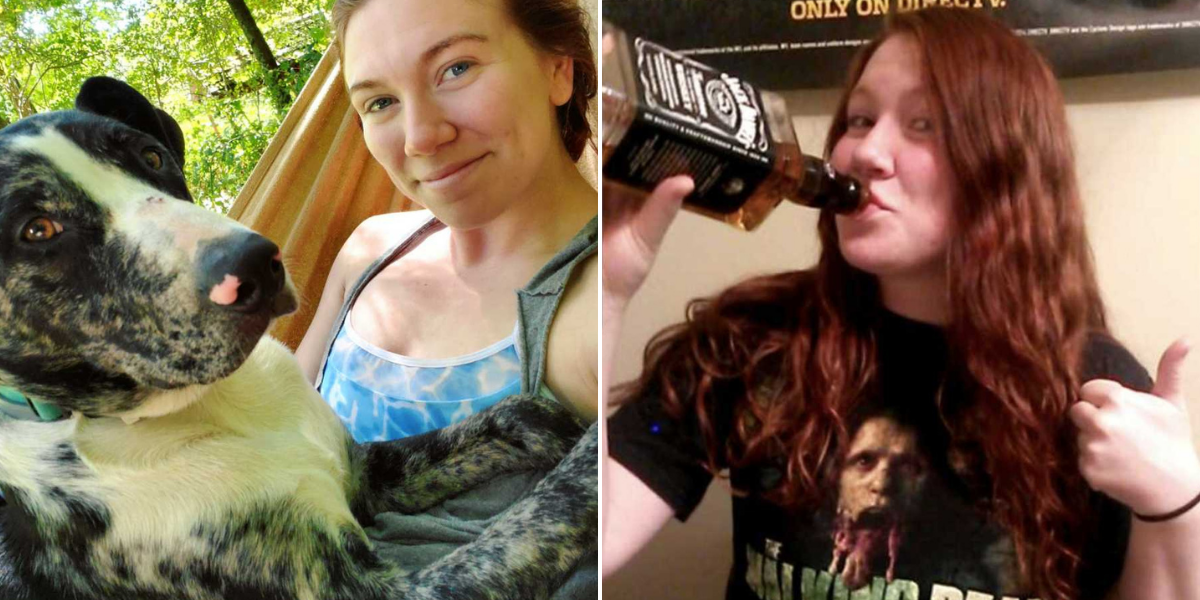
I’m 27 now, and I’m eight months sober. I feel like a completely new woman. For the first time, I’m learning who I actually am. Drinking used to be my only hobby. Now I try new things—kickboxing, coffee (which somehow became my entire personality), painting, movies, hiking, podcasts, audiobooks. And my sweet dog, Astro. He rescued me in every sense of the word. Learning to care for someone else changed me.
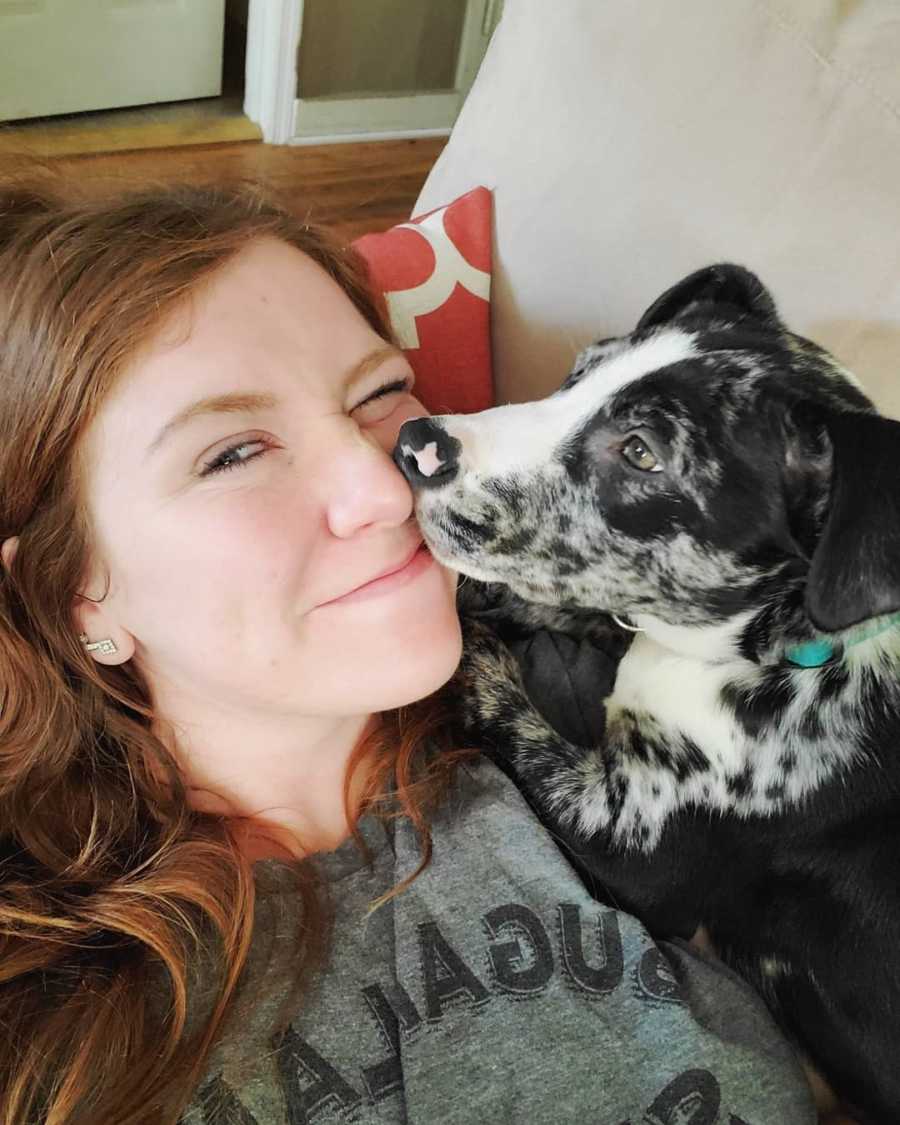
I’m thriving. I’m 40 pounds down. My relationships are healthier. I’m more productive. My anxiety has dropped dramatically. I wouldn’t trade the dark days of early sobriety for anything—they made me stronger. There’s a whole side of life I never saw before, and now my vision is finally clear.
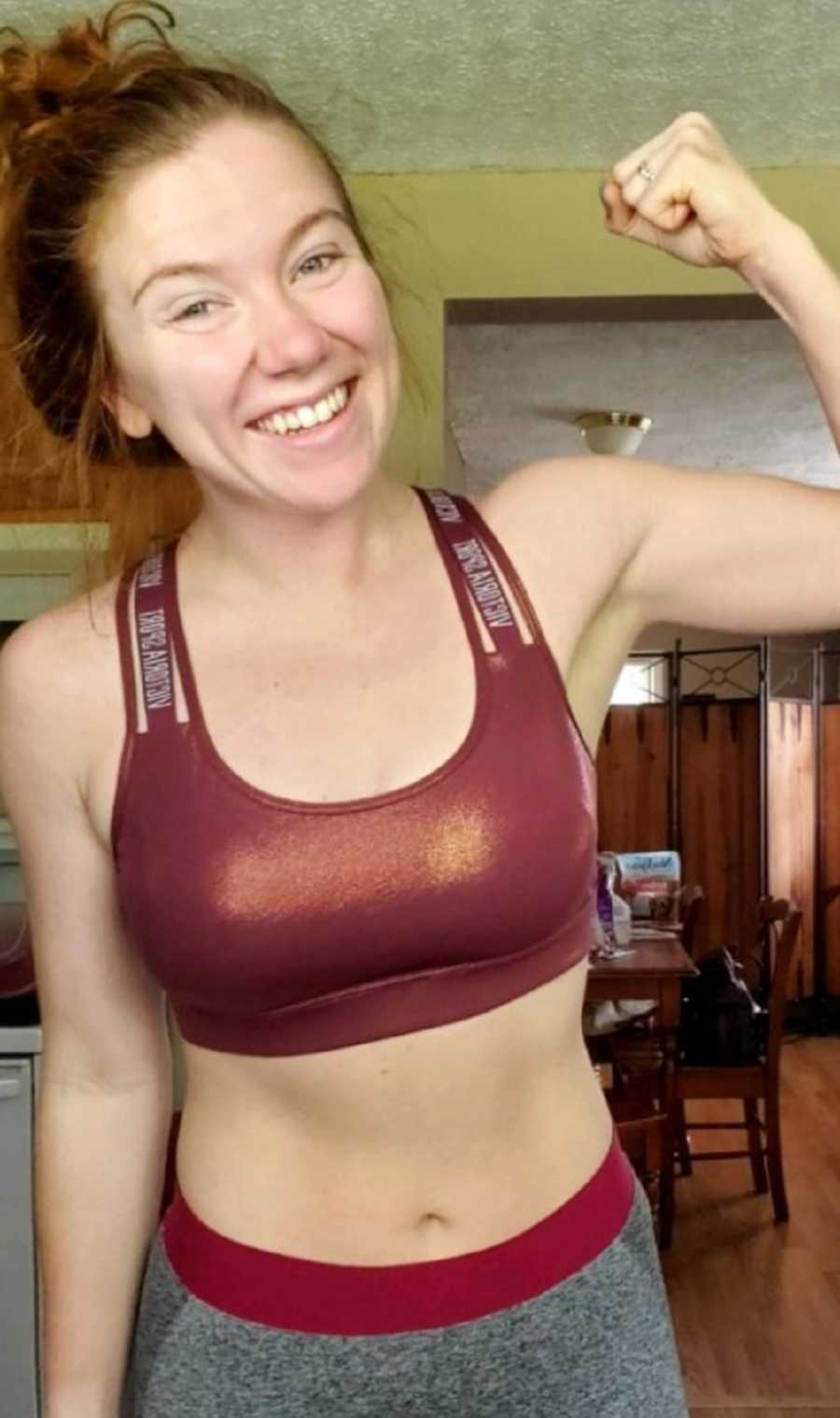
If this story feels like your life, know this: a life without alcohol is possible. Ask yourself the hard questions. Is alcohol helping you—or hurting you? Is it a priority? What could your life look like without it?
You deserve more than survival.
You deserve to truly live.