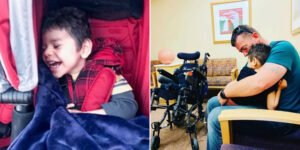
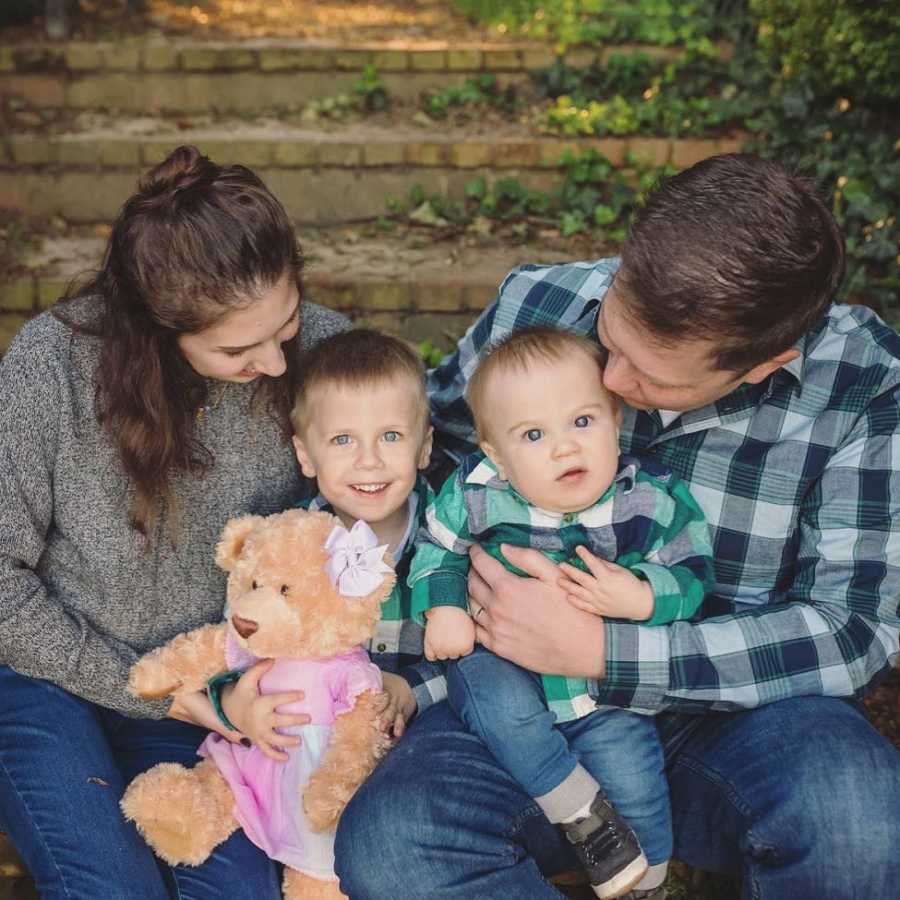
The journey to growing our family has been anything but straightforward. My husband Mark and I have faced multiple first-trimester miscarriages, high blood pressure, hyperemesis, and countless other complications. Our oldest, Jack, was born in November 2014 after a challenging nine months of pregnancy and frightening labor complications. Then came our daughter, Lillian, who was stillborn at 35 weeks in July 2016. Not a day passes without us thinking of her—though her loss is a wound that will always ache, she is woven into our daily lives in the most beautiful ways. Our third child, Lawrence, arrived in January 2018 after what was probably our most textbook pregnancy—but emotionally, it was harrowing, as we feared for his life every single day. Gilbert, nicknamed ‘Ghillie,’ came next, born via emergency c-section on March 31st, 2019.
The evening of his birth, we went to labor and delivery for decreased fetal movement—a feeling that was chillingly reminiscent of the days leading up to Lillian’s death. At only 25 weeks, I wasn’t technically counting kicks yet, but I knew any change could signal danger. Gilbert had failed two biophysical profiles, and suddenly, a team in blue scrubs whisked me to the OR for a c-section. Moments later, I stared at the bright lights above, numb from the waist down, as Mark arrived just seconds before the doctor announced, “He is out!” Tiny and weak, he couldn’t make a sound, and for a heart-stopping moment, I thought he had died.
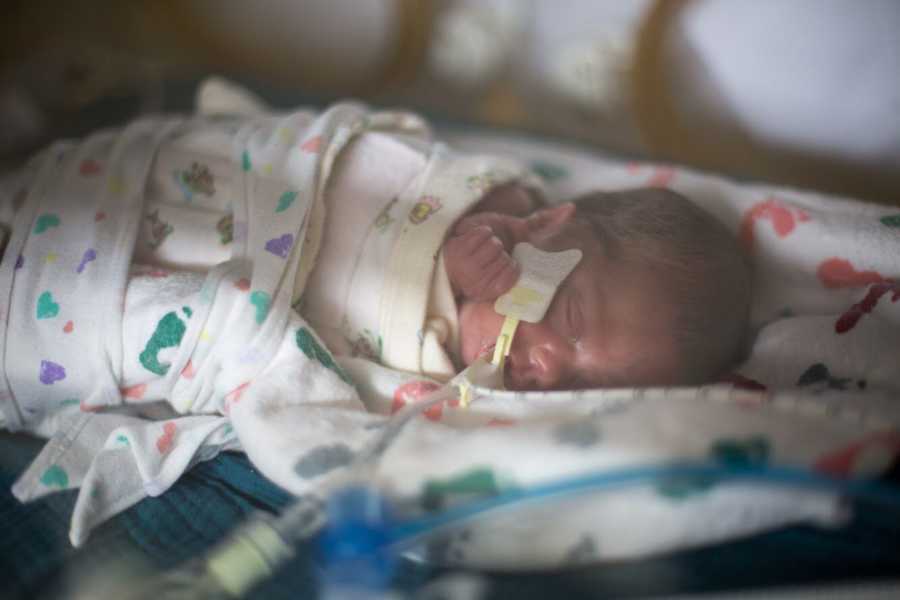
A flurry of activity swept him away to the resuscitation room. I trembled while being stitched up, paralyzed by fear for what lay ahead. Hours later, a massive neonatal transporter brought him into my postpartum suite. He weighed just 1lb 13oz, measured 13 inches long, and was wrapped in plastic to protect his delicate skin. Despite the fog of medications and overwhelming information, I took him in—so small, yet perfectly a blend of his siblings, with a surprising crown of thick, dark hair for his gestational age. He was soon transferred to a higher-level NICU just a few blocks away, and Mark spent that first night shuttling back and forth between my room and the NICU.
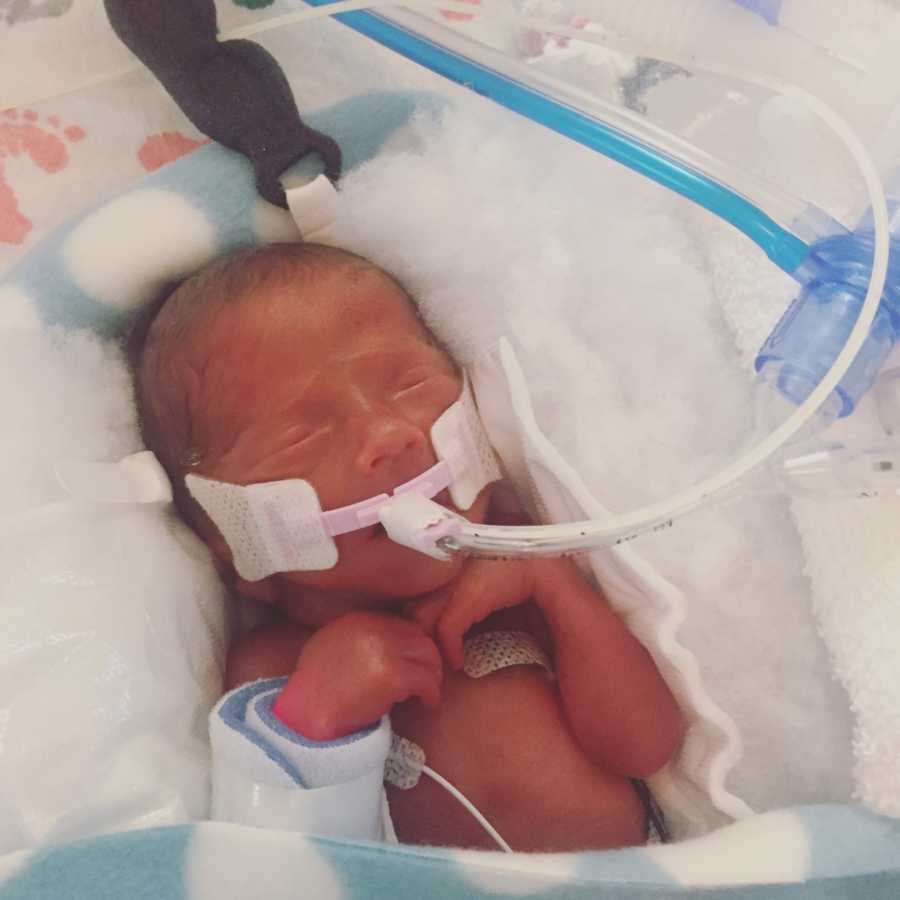
The next morning, the neonatologist who had attended Ghillie’s birth called while I ate breakfast, preparing me for the worst. My mind couldn’t help but revisit the grief of losing Lillian, expecting to hear her fate repeated. Instead, I learned Gilbert had suffered severe brain bleeds in utero, an extraordinarily rare occurrence. My heart sank. I asked if anything could be done, but all we could do was wait. Once again, my body had failed to keep one of our children safe.
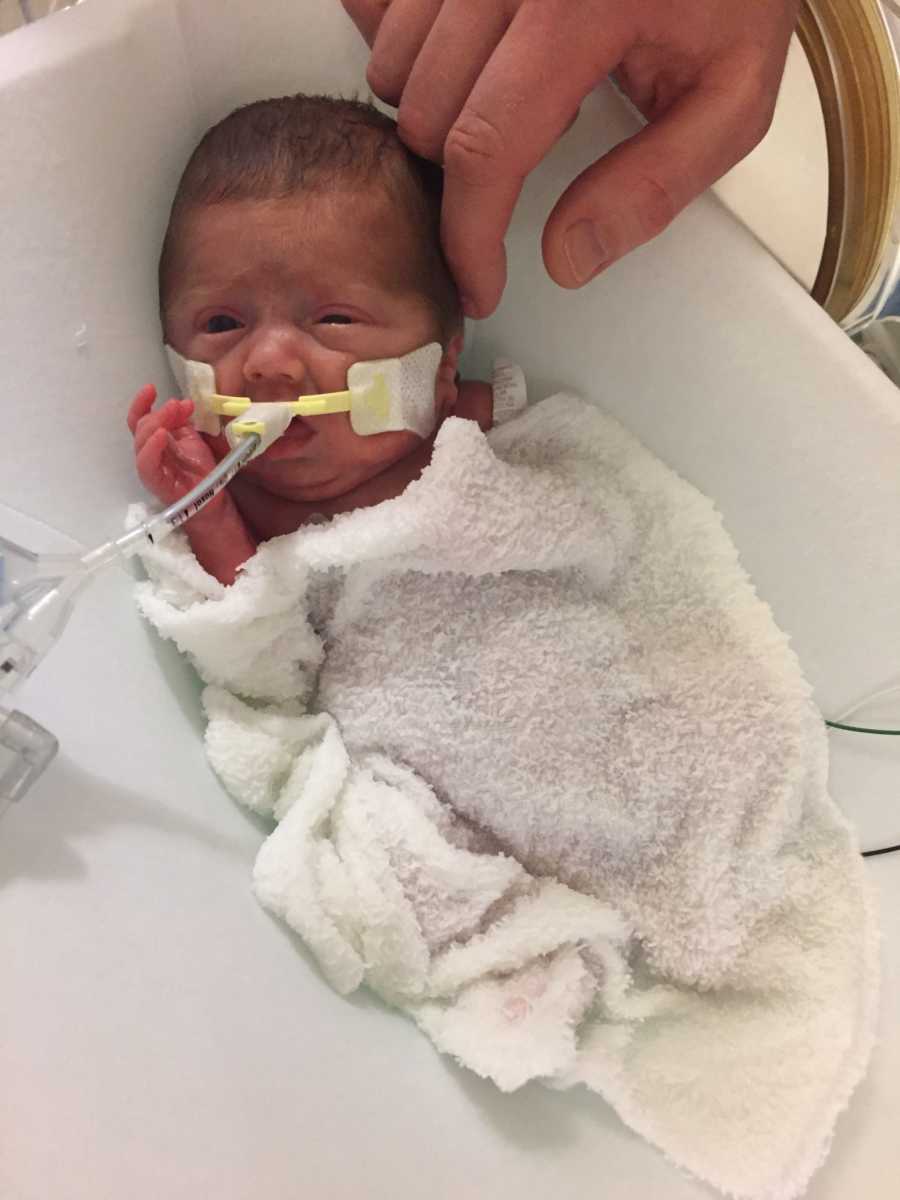
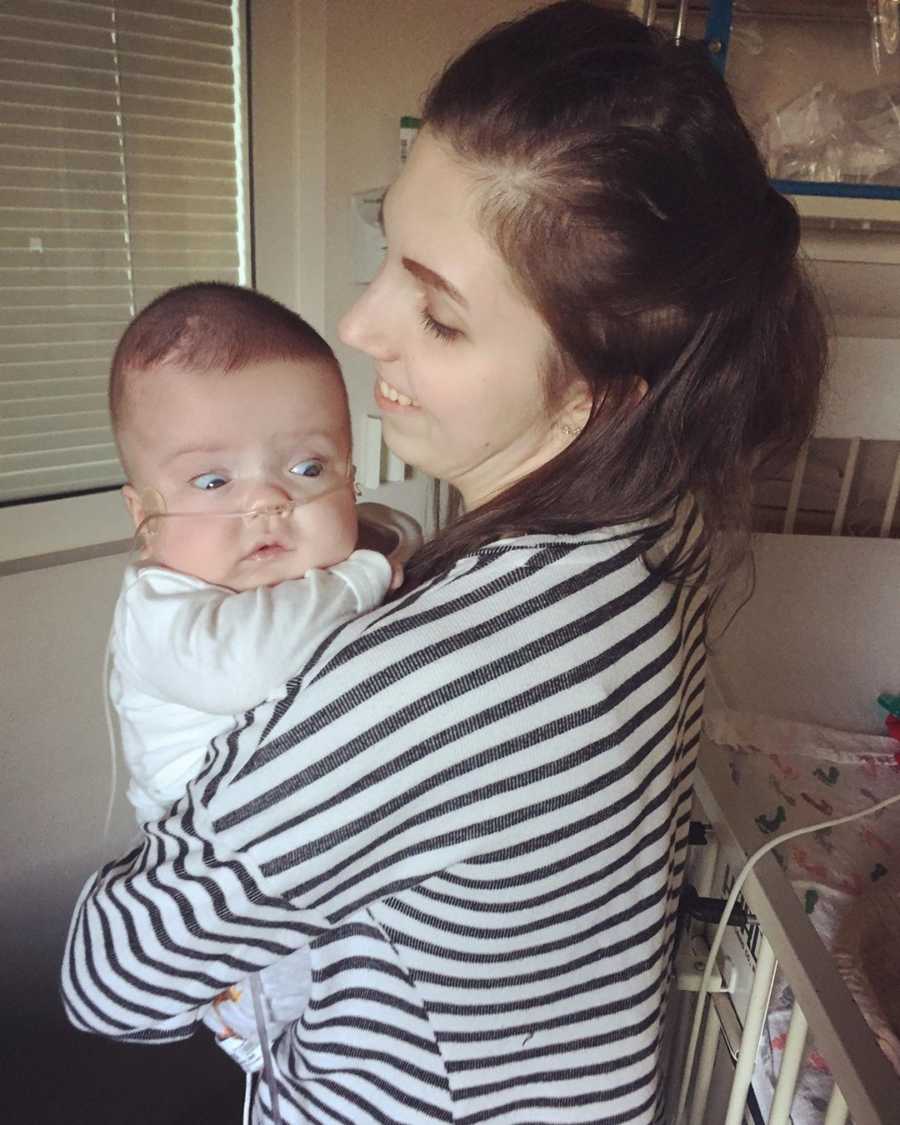
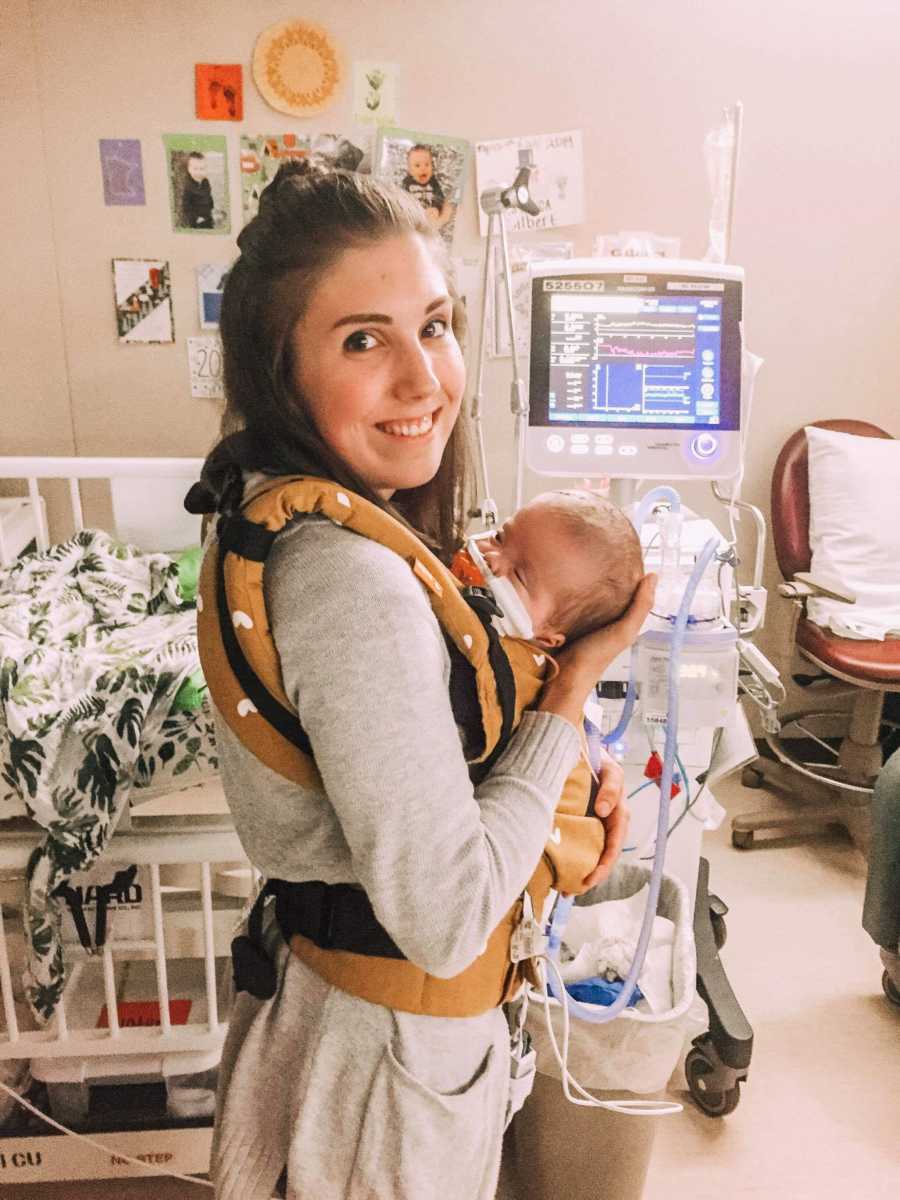
Visiting him in the NICU was surreal. His eyes were fused shut, wires and tubes crisscrossed his fragile frame, medication pumped steadily into him, and machines beeped in a constant rhythm. But all that faded as I fell in love with him instantly. Later, in a conference room, doctors showed us images of his brain. The right ventricle had a Grade IV bleed, the most severe, and the left a Grade III. As the blood cleared, healthy brain tissue would be absorbed along with it, leaving uncertainty about how much of his brain would remain. Conversations about cerebral palsy, special needs, and survival probabilities followed. At one point, we were told he had only a 50% chance of survival. They asked if we wanted to shift to comfort care. But having held the weight of grief for a child lost, we stood our ground. He would be our “wayfinder”—we would let him guide us.
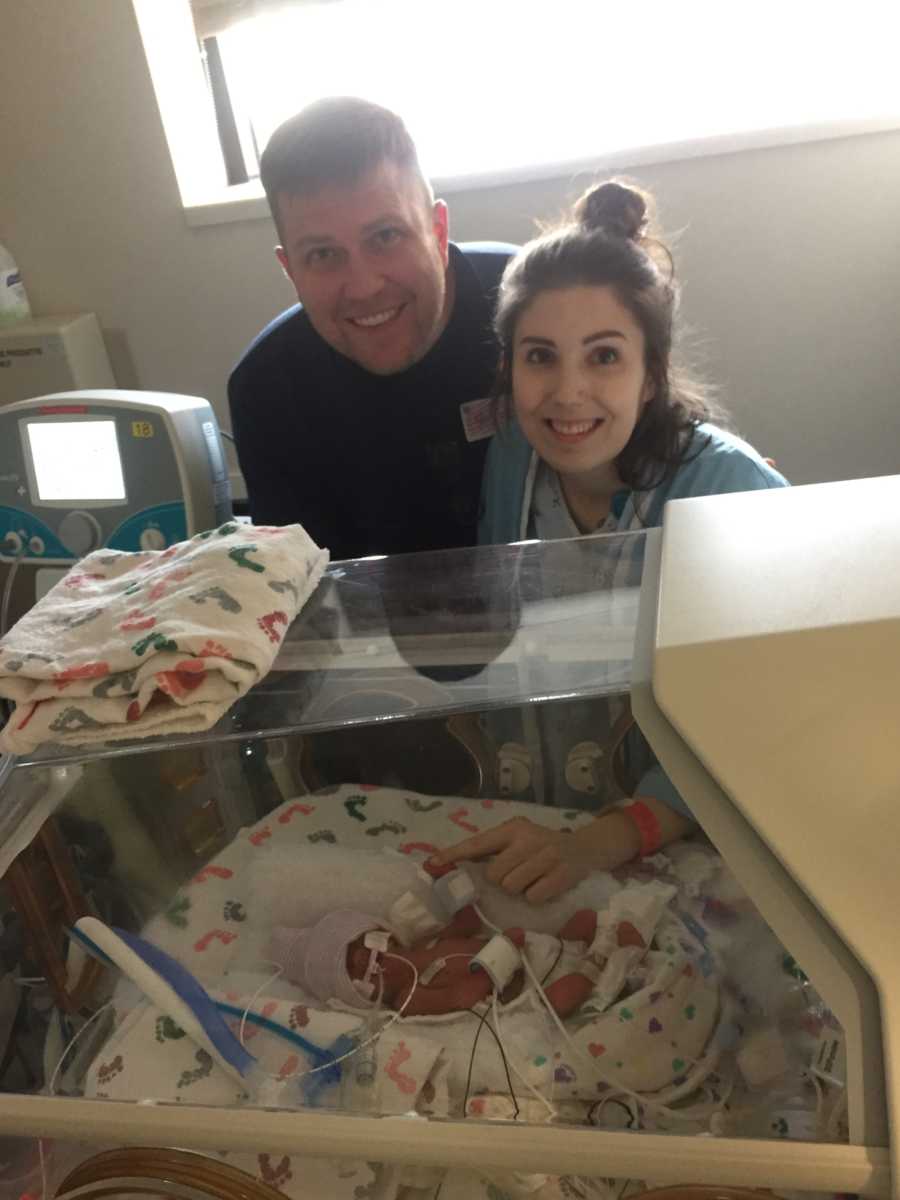
The months that followed were a rollercoaster. Gilbert endured multiple surgeries, attempts to reduce respiratory support, and weekly brain ultrasounds. I lost count of how many times he was resuscitated. Every night, we braced for bad news, asking constantly, “Is my baby dying?” Yet we clung to routines—reading to him, singing, babywearing, and giving him as much sensory input as possible to support his developing brain. Music therapy became a daily ritual, with Red Hot Chili Peppers lullabies a NICU favorite.
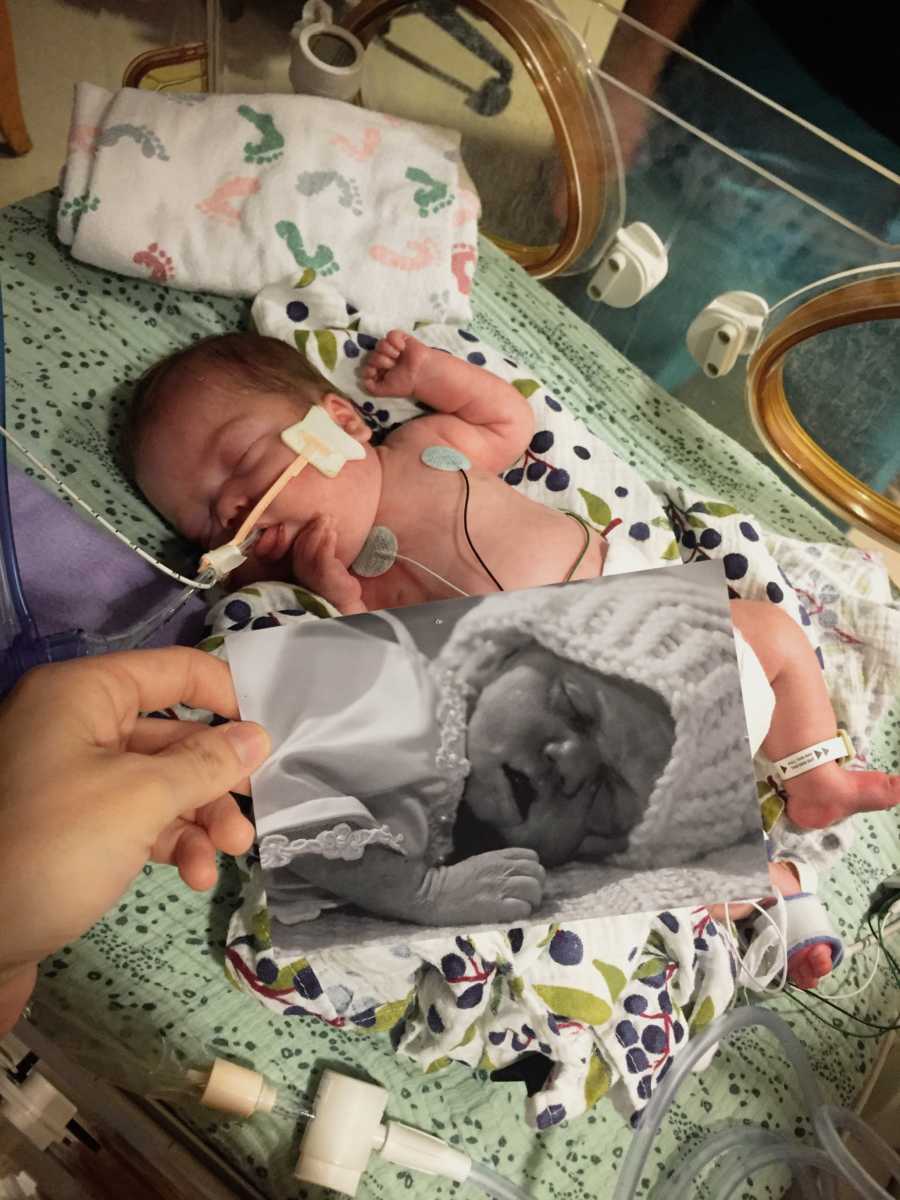
The brain bleeds also placed him at risk for hydrocephalus, which emerged around four months old. The MRI results confirmed our fears: his brain had swelling, and a neurosurgeon recommended surgery. We chose an endoscopic third ventriculostomy (ETV) over a shunt to relieve pressure without a lifetime of implanted devices. On the day of surgery, we kissed him goodbye, holding our breath until word came that he was okay. Relief flooded us as his vital signs normalized and his ventilator needs dropped for the first time.
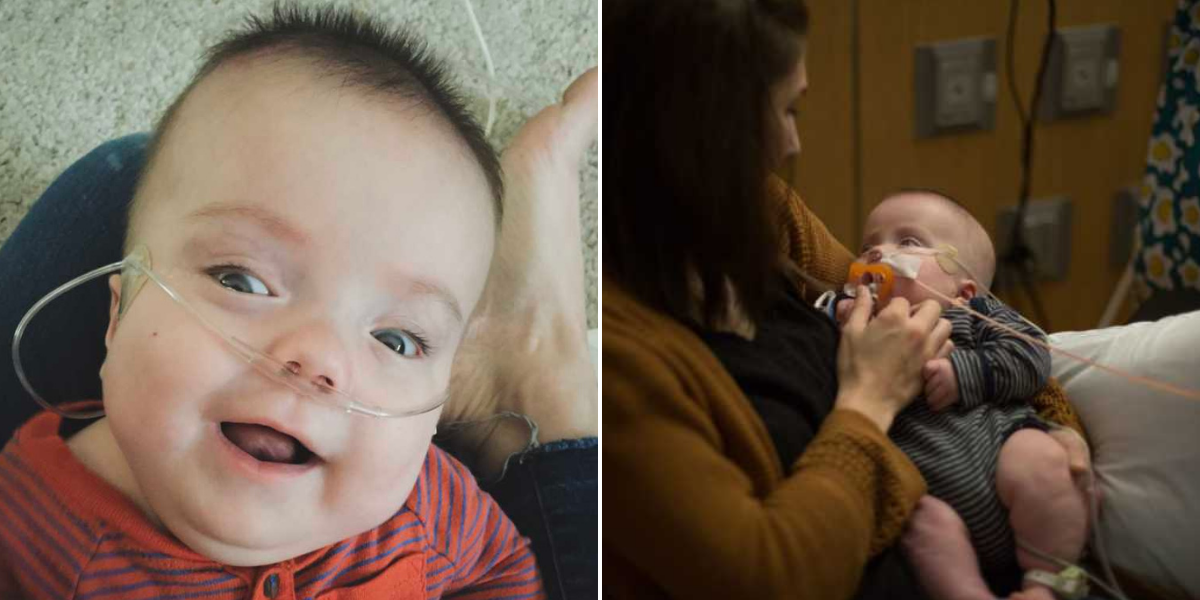
After 177 days in the NICU, Gilbert finally came home on September 24th, 2019. He still relies on 24/7 oxygen and a g-tube, with ongoing monitoring for his brain, lungs, eyes, and bones. Life at home carries its own challenges: weekly appointments, careful neurological monitoring, and navigating the reactions of strangers to his medical equipment. Yet against all odds, he is thriving. He smiles, enjoys tactile play, loves snuggles, and delights in the attention of his siblings. He has accomplished feats doctors said might never happen, and we jokingly say he’s leaving a trail of middle fingers for the naysayers.
We cannot predict his neurodevelopment, and much of his brain was literally lost, yet his value and spirit remain undeniable. From his earliest days, we vowed to love him in any condition—and that remains true today. His nickname, Ghillie, a Scottish term for a guide, fits him perfectly. He leads us forward, showing the way through uncertainty, fear, and hope, and teaching us every day that even in the most difficult circumstances, life can be extraordinary.