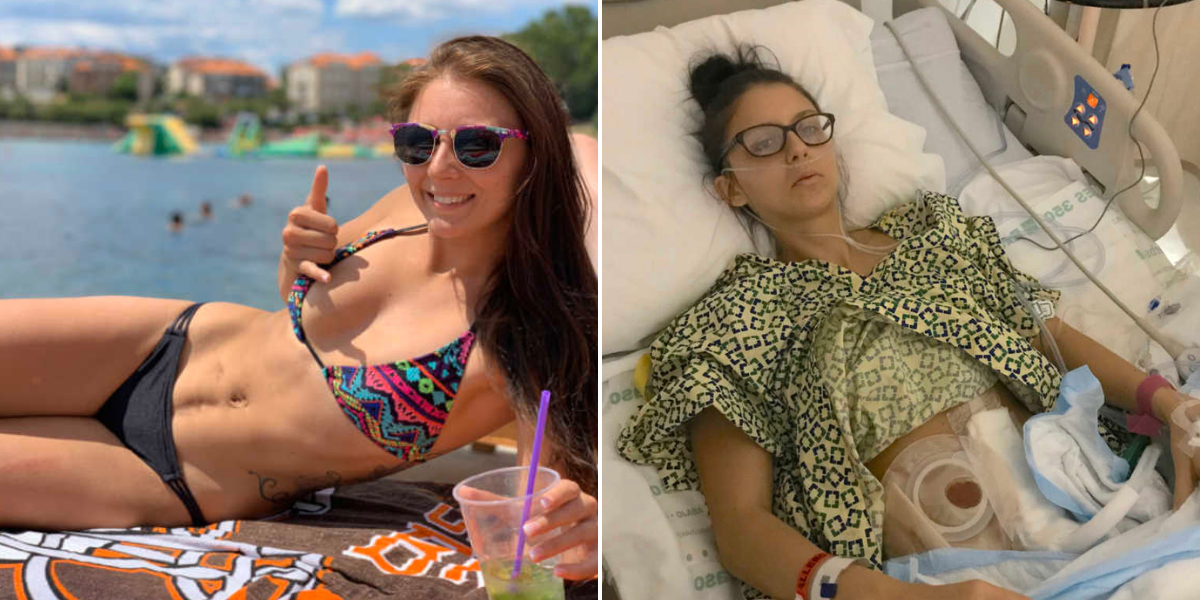
When I look back at 2010, I see a young woman fresh out of high school, full of dreams, and stepping into college life with honors and excitement. I dove headfirst into my freshman year—studying hard, making friends, earning a spot on the Dean’s List, and even joining the collegiate cheer team. Like most 18-year-olds, I felt unstoppable, invincible, and ready for anything. But then, without warning, my world shifted. I got sick.
It started with stomach pains, exhaustion, and blood in my stool. Frequent trips to the bathroom left me unable to absorb nutrients, and in just three months, I lost 25 pounds. I became a shadow of the vibrant girl I once was, and no one seemed to know why. At family gatherings, I overheard whispers like, “She looks awful. Maybe it’s an eating disorder.” My doctor initially dismissed my symptoms, attributing them to stress, depression, and anxiety, a common diagnosis for new college students. I tried to accept it, but nothing improved. With every appointment, I could feel her frustration as I described new symptoms. “Try these antidepressants and come back in a few weeks,” she would say. But I wasn’t depressed—I was furious. I was angry that everyone insisted it was all in my head.

After eight long months of persistence, I was finally referred to a gastroenterologist and had my first colonoscopy. When I woke up, my doctor delivered the diagnosis: ulcerative colitis, an autoimmune disease. Relief flooded me—I finally had answers. My first question was instinctive: “Great, how do we get rid of it?” The look on his face immediately drained me. “Ulcerative colitis has no known cause or cure,” he said. “Our focus will be on giving you the best quality of life possible.”
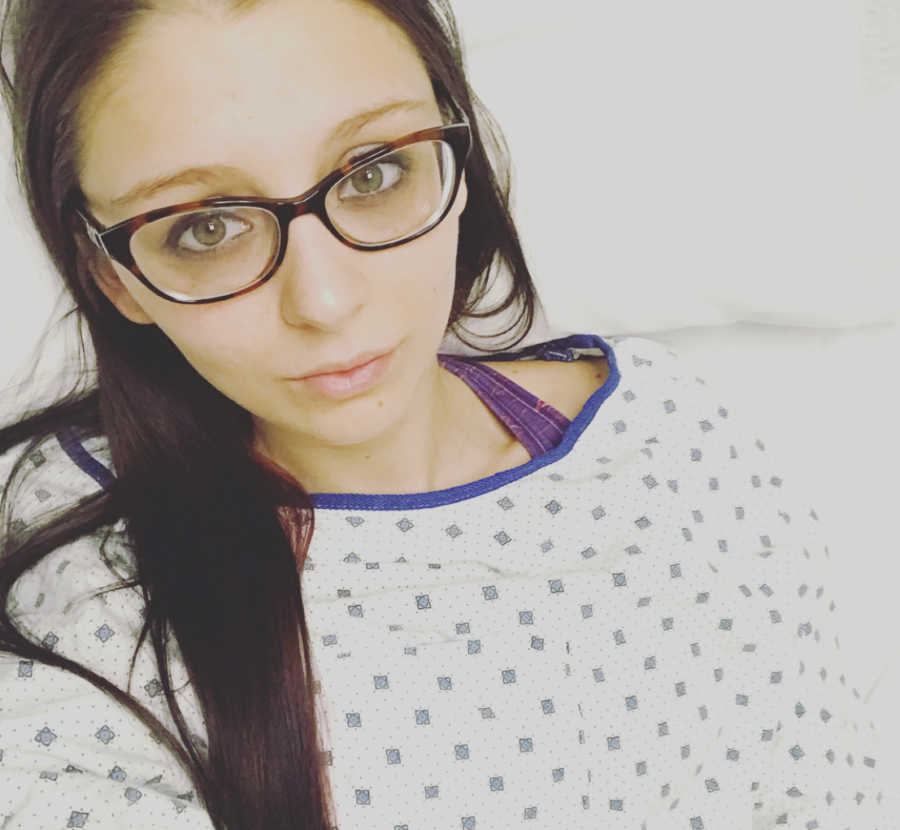
I couldn’t believe it. How could an 18-year-old, strong, smart, athletic young woman with her whole future ahead of her have an incurable chronic illness? Surely there had to be a cure. But there wasn’t. My life quickly became consumed by the disease. Every meal triggered excruciating pain and urgent trips to the bathroom. Chronic fatigue and anemia left me barely able to make it through the day. On the outside, I looked fine, but inside, my body was waging a relentless war. By my senior year, I had to move back in with my grandma. Many friends drifted away, leaving only a small circle who truly stayed in touch.
After graduation, I landed my dream job as an elementary school teacher. But I soon discovered that the fast-paced American workforce has little room for invisible illnesses. Despite trying to educate my boss and colleagues about my condition, I was denied restroom breaks, accused of shirking responsibilities, and overheard coworkers complaining about my absences after a three-night hospital stay. Feeling hopeless, I searched for a more supportive environment and found it teaching third grade in the Massillon City Schools. From day one, the administration was understanding, supportive, and put the needs of students and staff first. Little did I know how crucial this support would become.
Just two months into my new role, I received devastating news: I was no longer responding to treatments. My ulcerative colitis had spread to my entire large intestine, and surgery was inevitable. I was heartbroken. I had always been told surgery was a last resort, and now it felt like my disease had won. The thought of living with an ostomy bag—something to collect stool—terrified me. After the doctor’s appointment, my boyfriend asked what was next. I quietly said, “It’s time for surgery.” We drove home in silence. I even told him if he wanted to end the relationship, I would understand. But he simply said, “You’re crazy. I’m going to be there for you no matter what.” By November, we were engaged.
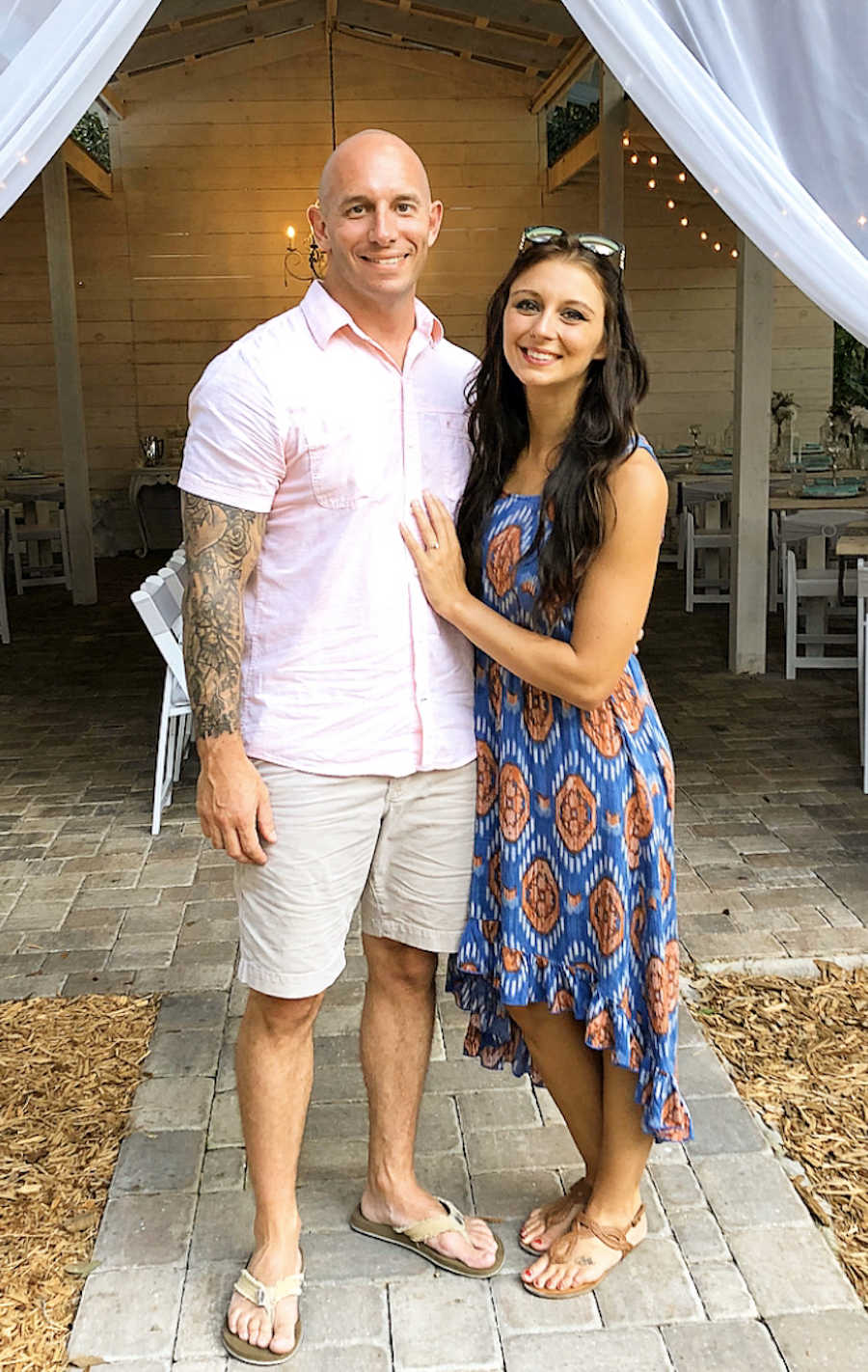
Two weeks later, surgery day arrived. I was fortunate to have access to the Cleveland Clinic, one of the nation’s top hospitals for colorectal surgery, but fear still gripped me. The plan was a multi-step, open surgery with months of recovery in between: first, remove my large intestine and rectum and create an ostomy; next, construct a jpouch to replace my rectum; and finally, reverse the ostomy and reconnect everything. At first, I was bummed—almost a year of life on pause—but then I realized I had already spent seven years paused by this disease.
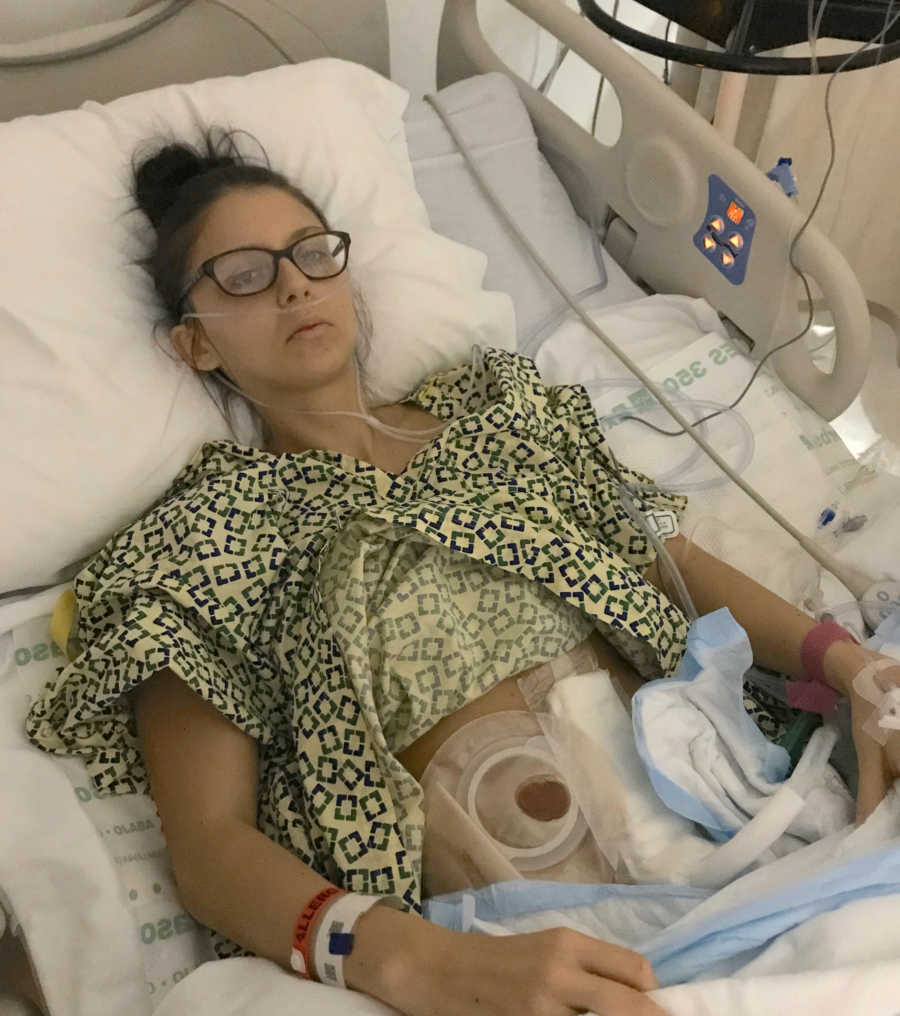
Post-surgery, I woke up connected to IVs, drainage tubes, a nasal cannula, and my new ostomy bag, with staples running from my belly button to my pubic bone. Pain was intense. But through it all, my fiancé never left my side. The next morning, nurses encouraged me to walk. I couldn’t make it out of the room before collapsing back onto the bed. But looking at him, I knew we would get through this together.
My week in the hospital was an emotional roller coaster. I learned to care for my ostomy, set up home healthcare, and manage supplies. I went from being bedridden to walking five laps around the floor. And I fell in love with my ostomy—it had given me my life back: pain-free, medication-free, and unrestricted. I could do everything a “normal” person could. I even picked out my wedding dress while wearing it, nervous it might limit my options, only to have the consultant say, “Oh, that’s all? Not a problem. Let’s find your dream dress!”
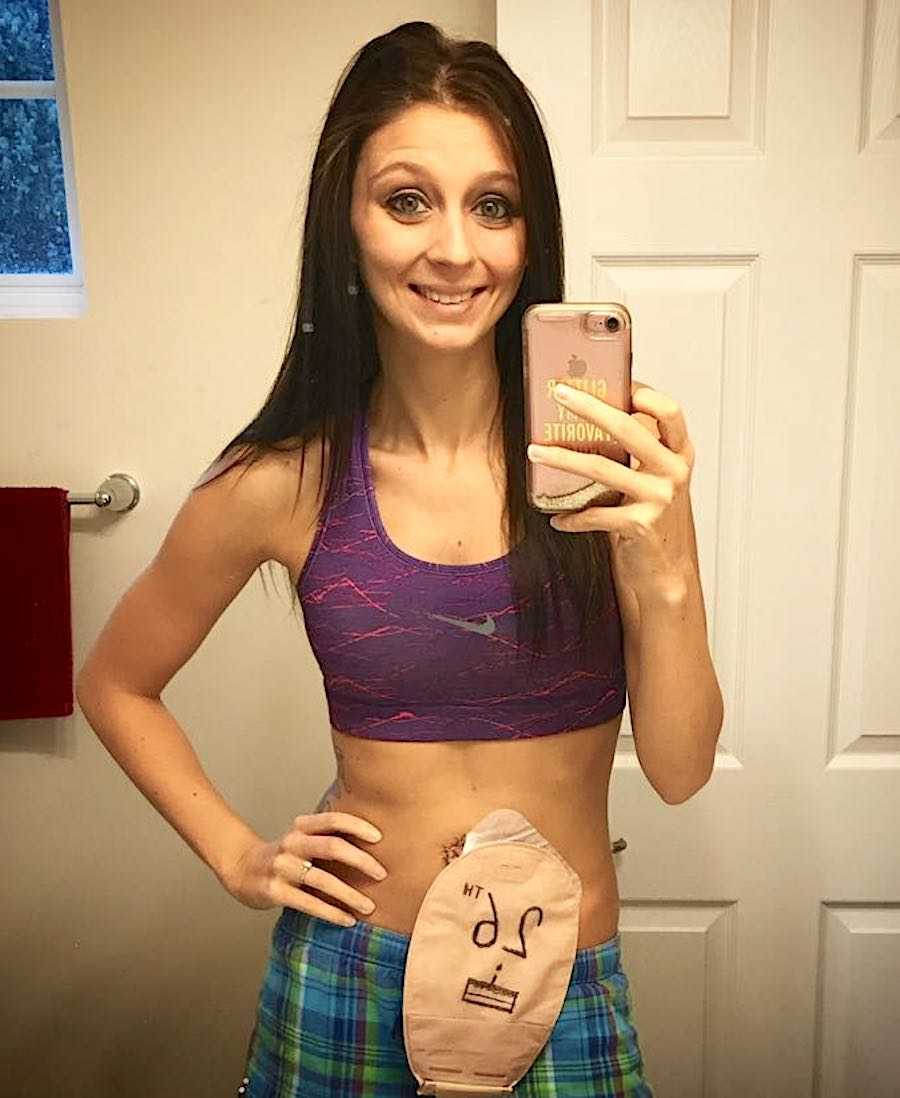
Determined to raise awareness about ostomies, I shared my journey online. Most messages were supportive, but some were cruel—comments like, “I’d rather die than have a bag of poop attached to me,” and, “She’ll never find love.” There were tears and moments of self-doubt, but my fiancé’s unwavering love reminded me daily that I was beautiful. Slowly, I began to believe him.
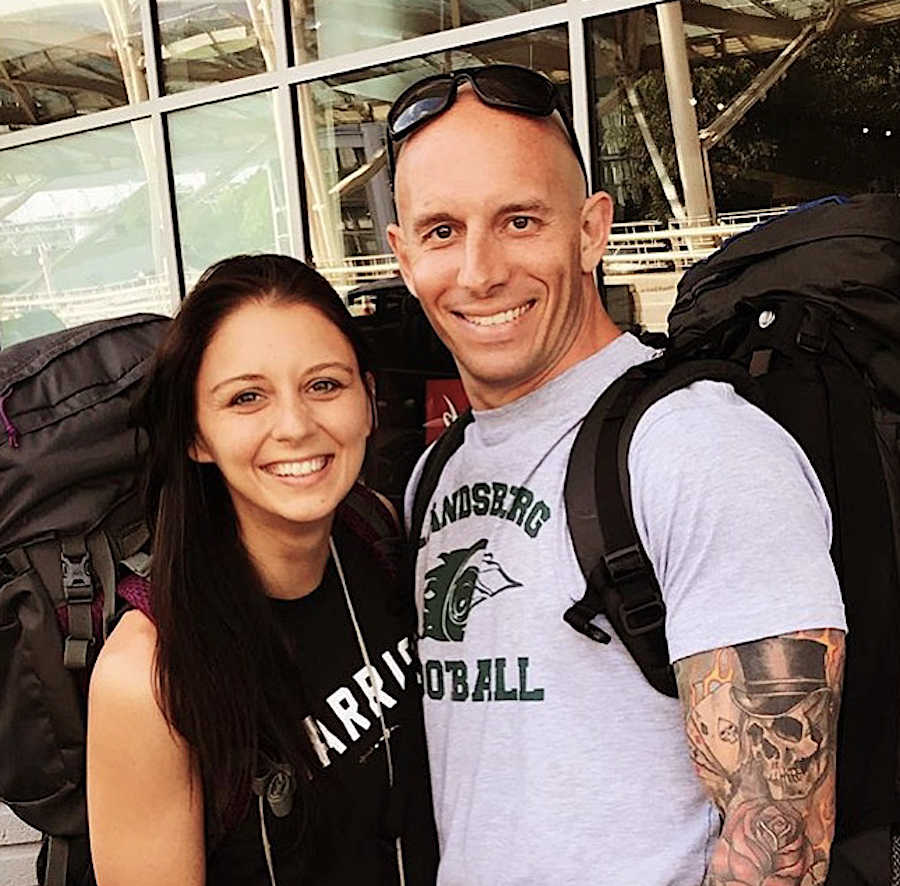
When it came time for the final surgery to reverse my ostomy, I hesitated. I had grown comfortable with my new life. But after much thought, conversation with my fiancé, and prayer, I took the leap. I faced the unknown and endured the recovery, knowing I had a strong support system.
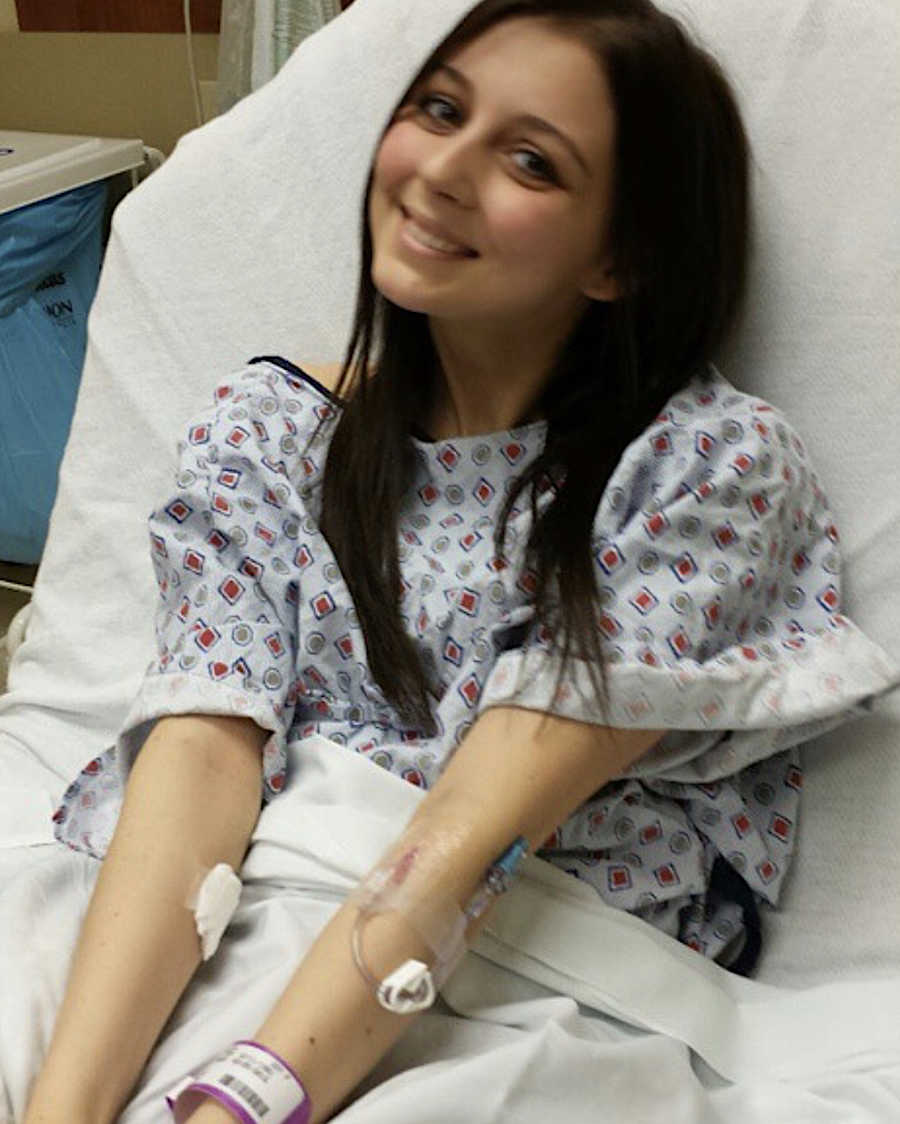
On the day of surgery, walking the familiar halls of the Cleveland Clinic, I reflected on my journey. I had grown stronger, more resilient, and had found a way to love myself while advocating for others with chronic illnesses. I drifted into anesthesia with hope in my heart, and woke up to a successful surgery and a new chapter in life—full of adventures, healing, scars, and love by my side.

Life isn’t perfect. I still live with this disease every day. But I have learned to trust my gut—even if it’s defective—and to lean on my support system. For anyone fighting invisible illnesses, my advice is simple: surround yourself with people who lift you up, advocate for your needs, and never accept discrimination silently. Always remember: you are a warrior.